
343 Airport Rd.
760-721-5500
If you’ve noticed your Volvo burning through oil faster than usual, you’re not alone. Many Volvo owners eventually experience increased oil consumption, especially as the vehicle ages or certain components begin to wear down. While some oil use is normal, excessive oil loss is a sign that something under the hood needs attention. Ignoring these symptoms can lead to overheating, engine damage, or even total engine failure.
In this blog, we’ll break down the most common reasons your Volvo is using too much oil, what symptoms to look for, and when it’s time to visit a qualified shop for Volvo repair, ideally Oceanside Motorsports. If you’re searching for a trusted Volvo mechanic near me, schedule an appointment with us today!
Worn piston rings are one of the most common reasons for oil loss in Volvo engines. These rings seal the combustion chamber and prevent oil from entering the cylinders. When they wear out, oil can slip past and burn during combustion. Blue smoke, reduced power, and a dropping oil level are strong indicators of this issue.
Many Volvo models experience PCV system problems that lead to increased crankcase pressure. When the system clogs with sludge, oil can be forced out past seals and gaskets. Drivers may notice a whistling noise, oil leaks near the valve cover, or the dipstick popping out. Testing the PCV system is essential if oil loss occurs without clear external leaks.
Older and high mileage Volvos often develop worn valve stem seals that allow oil to seep into the cylinders. This can lead to blue smoke during startup and a steady increase in oil usage. Hardened or cracked seals are a natural result of age and heat cycles. Replacing these seals helps restore proper oil control in the engine.
Turbocharged Volvo engines can consume oil when internal turbo seals begin to wear. Oil may enter the intake or exhaust system and burn away unnoticed. Symptoms include white or blue exhaust smoke and oily residue in the intercooler piping. A weakened turbo can also cause reduced boost and overall performance changes.
Oil consumption may occur due to slow or hidden external leaks from aging engine components. Common leak points include the valve cover, camshaft seals, and oil pan area. Some leaks are small enough to go unnoticed on the ground. A dye test can help identify the source before the issue becomes severe.
Using the wrong oil in a Volvo engine can lead to increased oil usage and reduced lubrication. Modern Volvo engines are sensitive to viscosity and require specific synthetic oils. Low quality oil breaks down faster and increases consumption. Always confirm the oil meets Volvo specifications to maintain engine health.
As mileage increases past one hundred thousand, normal engine wear can naturally increase oil usage. Seals start to harden and internal engine clearances widen over time. A small amount of oil consumption is expected in older vehicles. However, losing more than a quart every fifteen hundred miles usually indicates a problem.
Aggressive acceleration and heavy towing can cause higher oil consumption in Volvo engines. Turbocharged models are especially sensitive to sustained high RPM or frequent uphill driving. These conditions increase heat and pressure inside the engine. If oil use rises suddenly, it may be worth checking for underlying issues.
Checking your oil level every 1,000 miles is a simple way to protect your engine. This habit helps you catch low oil before it becomes a serious issue. Engines that run with insufficient oil can suffer damage that is expensive to repair. Making this part of your routine keeps your vehicle performing reliably.
Tracking mileage between top offs helps you understand your engine’s oil consumption. When you notice oil levels dropping faster than normal, it can signal an underlying problem. Early detection makes it easier to address issues before they affect performance. This small step supports long term engine health and improves reliability.
Oil related warning lights are designed to alert you before damage occurs. When these lights come on, it is important to take action immediately. Ignoring them can lead to overheating or internal engine wear. Staying alert to these signals helps keep your vehicle in safe running condition.
Tailpipe smoke and unusual odors can be early signs of oil burning. Blue smoke especially can indicate internal engine leaks. Paying attention to these symptoms allows you to address problems before they worsen. Quick attention can preserve engine life and maintain smooth performance.
Regular oil changes are essential for reducing friction and removing contaminants. Fresh oil keeps your engine running smoothly and efficiently. Sticking to recommended intervals prevents buildup that can damage internal components.
Excessive oil consumption in your Volvo is more than just an inconvenience, it’s a warning sign that your engine needs attention. From worn piston rings to turbo seal leaks, the causes vary widely, but each requires proper diagnosis by a qualified professional.
If you’ve been searching for a Volvo mechanic near me, consider scheduling an inspection with Oceanside Motorsports, where Volvo-specific knowledge and high-quality repairs keep your vehicle performing at its best.


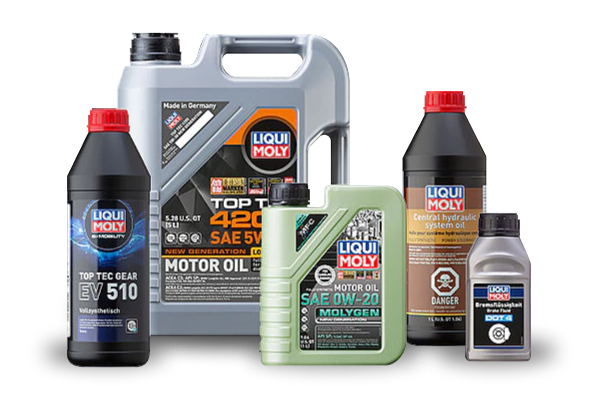
LIFETIME OIL CHANGE MEMBERSHIP INCLUDES UP TO 3 OIL CHANGES PER YEAR – FOREVER. BUY THE PACKAGE AND NEVER PAY FOR ANOTHER OIL CHANGE AGAIN!