
343 Airport Rd.
760-721-5500
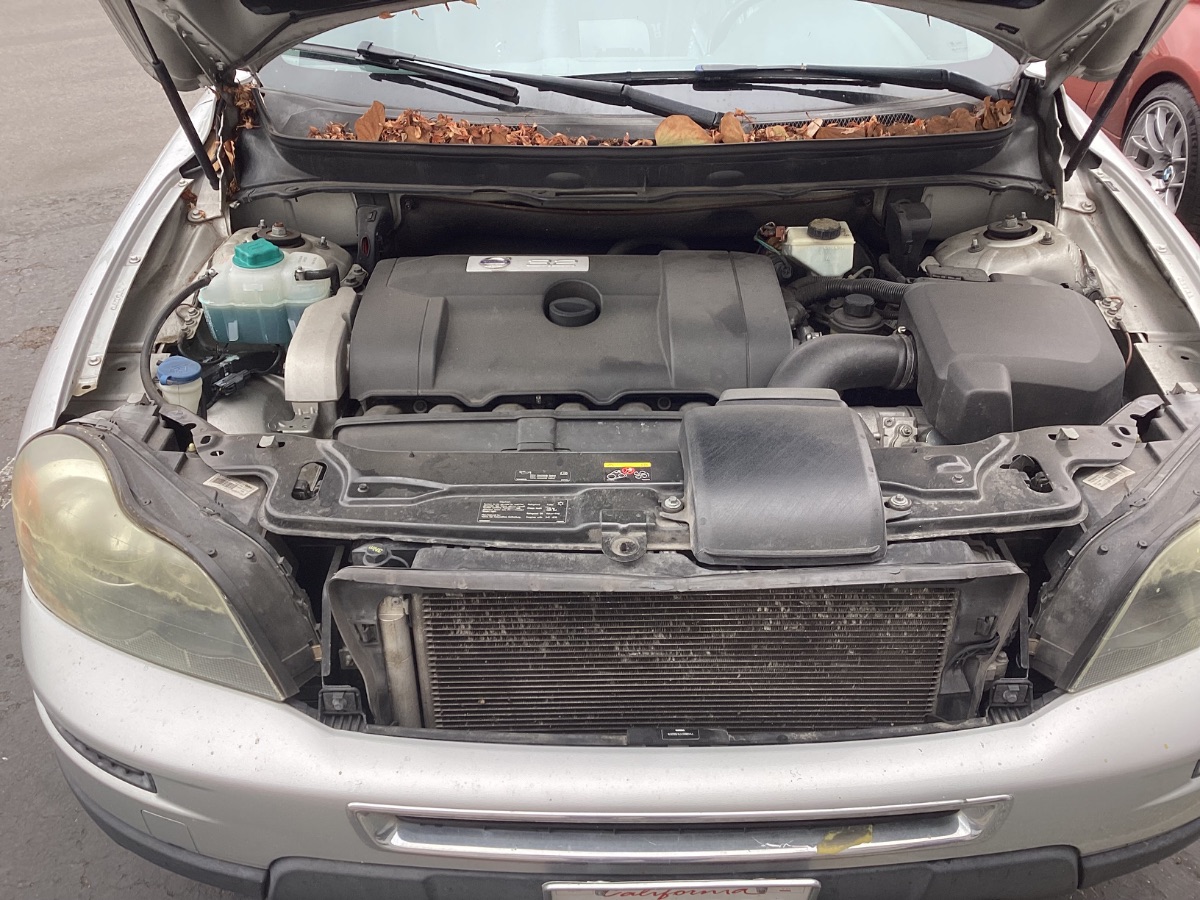
If your Volvo’s steering wheel has become difficult to turn, it’s more than just an inconvenience—it could be a sign of a deeper mechanical issue that requires immediate attention. From power steering fluid problems to worn components in the steering rack or suspension system, several factors could be contributing to the increased resistance.
At Oceanside Motorsports, we specialize in diagnosing and repairing Volvo steering issues with precision and care. Our experienced technicians understand the intricacies of European engineering and are equipped to restore smooth, responsive handling to your Volvo. In this blog, we’ll explore the most common causes of a stiff steering wheel and how to get it fixed right the first time.
A properly functioning steering system is essential for safe driving. When your steering becomes stiff, it compromises both comfort and control. Here are some key reasons why your Volvo steering wheel might be hard to turn!
Power steering systems rely on hydraulic fluid to operate efficiently. When the fluid level is low, the system can’t generate enough pressure to assist your steering. This often leads to stiff steering, especially when the vehicle is cold. You may also notice whining or groaning noises when turning and visible fluid leaks around the steering rack or reservoir.
The power steering pump circulates fluid to create the pressure needed for easy steering. If it’s failing, you may experience stiffness in the steering wheel at all speeds. The pump may emit a loud whining or grinding noise during operation. In severe cases, you’ll struggle to turn the wheel even while the vehicle is in motion.
Over time, power steering fluid can break down or collect contaminants like metal particles. This contamination can clog the system and reduce hydraulic efficiency. Dirty or burnt-smelling fluid is a sign it’s time for a flush. Power steering fluid should generally be replaced every 50,000 to 100,000 miles based on your driving conditions.
The steering rack converts your wheel’s rotation into movement of the front wheels. If it becomes worn or damaged internally, turning the wheel may feel uneven or difficult. You may also detect fluid leaks around the rack or excessive play in the steering wheel. A faulty rack often causes stiffness in one direction more than the other.
The serpentine belt powers the power steering pump and other engine accessories. If it slips or snaps, you’ll immediately lose power steering assistance. This may be accompanied by a squealing sound when starting the engine. Additionally, other systems like the alternator or A/C may stop working simultaneously.
Suspension components like tie rods and ball joints directly influence how your steering feels. When these parts wear out or fail, steering can become stiffer and less responsive. You may hear clunking noises when turning or notice uneven tire wear. A worn linkage can also cause the vehicle to pull to one side.
Regularly checking your power steering fluid helps ensure smooth and responsive steering. Low fluid levels can cause increased steering effort and damage internal components. Use the manufacturer-recommended fluid type for best performance. Inspect monthly or as recommended in your owner’s manual.
During oil changes, take time to inspect your power steering belts and hoses. Look for signs of cracking, fraying, or leaks. These components are critical for fluid circulation and steering function. Replacing worn parts early helps prevent system failure.
Have your steering and suspension system inspected at least once a year. This includes checking tie rods, ball joints, and shock absorbers. Routine inspections help catch wear and tear before it compromises safety. A professional evaluation ensures proper alignment and ride stability.
Even small fluid leaks can quickly escalate into costly repairs. Power steering fluid leaks often start from worn seals or loose connections. Addressing leaks early prevents damage to the pump and rack. Staying proactive saves you time, money, and avoids breakdowns.
If your Volvo steering wheel is hard to turn, don’t wait for the issue to get worse. Schedule a diagnostic appointment with Oceanside Motorsports, your trusted source for expert Volvo repair in Oceanside, CA. Our knowledgeable technicians will quickly identify the problem and recommend the best repair solution tailored to your vehicle.
Experience the difference with Oceanside’s leading European auto repair experts. We keep your Volvo safe, smooth, and road-ready.

LIFETIME OIL CHANGE MEMBERSHIP INCLUDES UP TO 3 OIL CHANGES PER YEAR – FOREVER. BUY THE PACKAGE AND NEVER PAY FOR ANOTHER OIL CHANGE AGAIN!