

343 Airport Rd.
760-721-5500
Volvo vehicles are known for their durability, reliability, and engineering. However, like any other vehicle, they aren’t immune to wear and tear. One common issue Volvo owners may face is an oil leak. Not only is an oil leak inconvenient, but it can also lead to serious engine damage if left unaddressed.
In this blog, we’ll explore the potential causes of oil leaks in Volvos, how to diagnose the problem, and why choosing a trusted mechanic like Oceanside Motorsports for your Volvo repair is essential.
Motor oil serves as the lifeblood of your engine, providing lubrication to reduce friction, cleaning internal components, and helping to regulate temperature. When oil starts leaking, it can lead to low oil levels, reduced performance, and, in severe cases, permanent engine damage. Detecting an oil leak early and addressing it promptly is key to maintaining the health and longevity of your Volvo.
Volvo engines rely on gaskets and seals to contain oil within the engine, but these components degrade over time. Age, exposure to high temperatures, and lack of maintenance can lead to cracks and leaks. The valve cover gasket is a common culprit, especially in older Volvos, as it seals the valve cover to the cylinder head. Similarly, oil pan gaskets and rear main seals can fail due to repeated heat cycles and vibrations, causing significant oil leaks.
Oil filters and drain plugs can be frequent sources of oil leaks if not properly maintained. An improperly installed or damaged oil filter may result in oil seepage, emphasizing the importance of replacing it during every oil change. The drain plug, located at the bottom of the oil pan, can develop leaks if it’s overtightened or if its washer becomes damaged. Regular inspections during oil changes can help catch these issues early.
Seals around the crankshaft and camshaft are designed to keep oil inside the engine, but they can wear out over time. High-mileage Volvos are particularly susceptible to leaks from these seals due to long-term wear and tear. As the seals deteriorate, oil can seep out, leading to noticeable drips or pooling. Addressing this promptly is crucial to avoid further engine complications.
The Positive Crankcase Ventilation (PCV) system plays a vital role in regulating engine pressure, but it can fail. A clogged or malfunctioning PCV valve can increase internal pressure, forcing oil to escape through weakened seals and gaskets. This issue is especially common in neglected engines or those with high mileage. Regular maintenance of the PCV system can prevent these leaks.
Turbocharged Volvo engines rely on oil feed lines and oil cooler lines, which are prone to wear and damage. Leaks in these lines are often harder to spot due to their location within the engine bay. Over time, the rubber or metal components can degrade, causing oil to escape. Checking these lines during routine inspections can prevent undetected oil loss.
Adding too much oil to the engine can create excess pressure, leading to leaks. The extra pressure can force oil past seals and gaskets, resulting in messes around the engine. Overfilling can also strain the PCV system, worsening leak issues. Always follow the manufacturer’s recommended oil capacity to avoid this problem.
Older Volvo models, such as the 240, S70, or early XC90, often face oil leaks due to aging components. Rubber and plastic parts naturally crack and deteriorate over time, particularly in high-mileage vehicles. Without regular inspections, these small issues can turn into significant leaks. Keeping up with maintenance is key to preserving these classic cars.
If you suspect your Volvo is leaking oil, here are a few signs to look for.
Spotting dark brown or black stains on your driveway or garage floor is a classic sign of an oil leak. These spots are typically sticky and have a distinct smell. Pay close attention to where the car is parked, as consistent spots in the same area suggest an ongoing issue. Early detection can prevent further damage to your vehicle and driveway.
A burning oil smell is often caused by leaking oil dripping onto hot engine components. This distinct odor can be noticeable inside and outside the car. Left unchecked, it may lead to overheating or damage to the engine’s systems. If you detect this smell, have your vehicle inspected promptly to locate the source of the leak.
Rapidly dropping oil levels are another strong indicator of a leak. Regularly check your dipstick to monitor the oil level, particularly if refills become frequent. Ignoring low oil levels can lead to insufficient lubrication and severe engine damage. Identifying the problem early helps avoid costly repairs down the line.
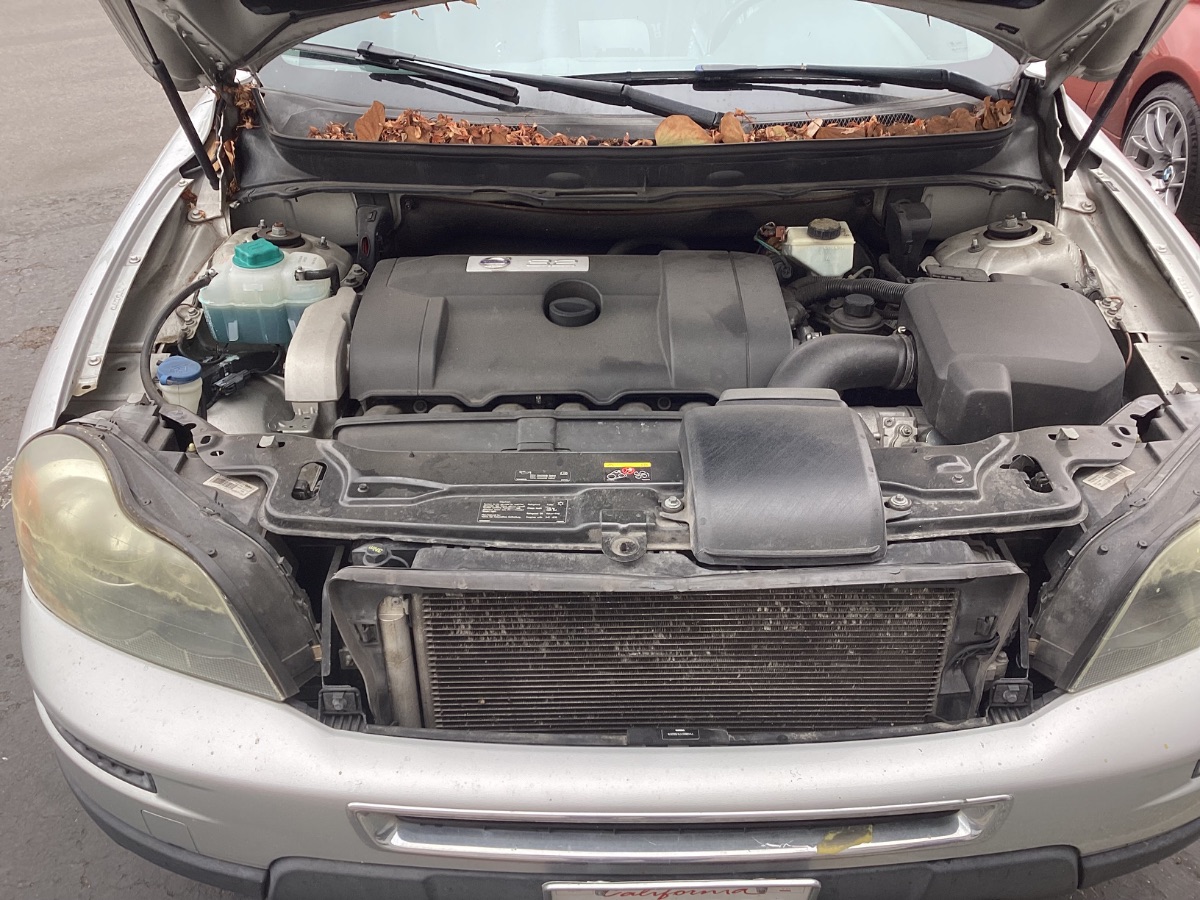
Pop the hood and inspect the engine for visible signs of oil residue or wet spots. Look around gaskets, seals, and hoses for leaks or drips. Oil residue in these areas suggests a leak that may worsen over time. Cleaning the engine bay after spotting oil can help you pinpoint future leaks more easily.
While some oil leaks are inevitable as your vehicle ages, regular maintenance can help reduce the risk.
Regular oil changes are essential for maintaining your Volvo’s engine health and preventing leaks. Always use high-quality oil to ensure proper lubrication and reduce wear on engine components. Replacing the oil filter with every oil change helps avoid buildup that could lead to leaks or reduced performance. Sticking to your vehicle’s recommended oil change intervals can prolong the life of gaskets, seals, and other critical parts.
Seals and gaskets should be inspected regularly as part of your routine maintenance schedule. These components can wear out over time, especially in older or high-mileage Volvos. Catching small leaks early can prevent more extensive damage or costly repairs later. Ask your mechanic to check these areas during service appointments to stay ahead of potential problems.
The PCV system plays a critical role in managing engine pressure and should not be overlooked. If the PCV valve or related components are clogged or malfunctioning, they can cause oil leaks and other issues. Replacing worn PCV parts promptly can prevent excess pressure from damaging seals and gaskets. Regular maintenance ensures this system operates efficiently and protects your engine.
Using the correct oil grade is vital for optimal engine performance and leak prevention. Volvo specifies the ideal oil type for each model to ensure proper lubrication and system efficiency. Using the wrong oil can lead to excessive wear, overheating, or pressure-related leaks. Always consult your owner’s manual and stick to the manufacturer’s recommendations.
At Oceanside Motorsports, Volvo owners can count on top-tier maintenance and repair services tailored to their vehicles’ unique needs. Specializing in oil leak diagnostics, engine maintenance, and comprehensive inspections, the team ensures your Volvo remains reliable and road-ready. With a reputation for quality workmanship and exceptional customer care, Oceanside Motorsports is your go-to destination for keeping your Volvo in peak condition. Contact us today to schedule an appointment, we can’t wait to meet you!

LIFETIME OIL CHANGE MEMBERSHIP INCLUDES UP TO 3 OIL CHANGES PER YEAR – FOREVER. BUY THE PACKAGE AND NEVER PAY FOR ANOTHER OIL CHANGE AGAIN!