
343 Airport Rd.
760-721-5500
A misfiring MINI Cooper can quickly turn a smooth ride into a rough and unpredictable experience. Whether you’re noticing a sputtering engine, poor acceleration, or the dreaded check engine light, engine misfires in MINI Coopers are often symptoms of deeper mechanical issues. Common culprits include faulty ignition coils, worn-out spark plugs, vacuum leaks, fuel injector problems, or carbon buildup on the intake valves, especially in turbocharged models with direct injection.
At Oceanside Motorsports, we specialize in MINI Cooper repair and diagnostics, offering precision care backed by years of experience with European performance vehicles. Our expert technicians use advanced diagnostic tools to pinpoint misfire causes quickly and recommend lasting solutions that keep your MINI running at peak performance.
An engine misfire occurs when one or more of the engine’s cylinders fail to ignite properly. In a healthy engine, each cylinder receives a precise combination of air, fuel, and spark to create combustion. When any one of these components is off, you’ll experience a misfire—usually felt as a hesitation, sputter, or jerking motion during acceleration or idling.
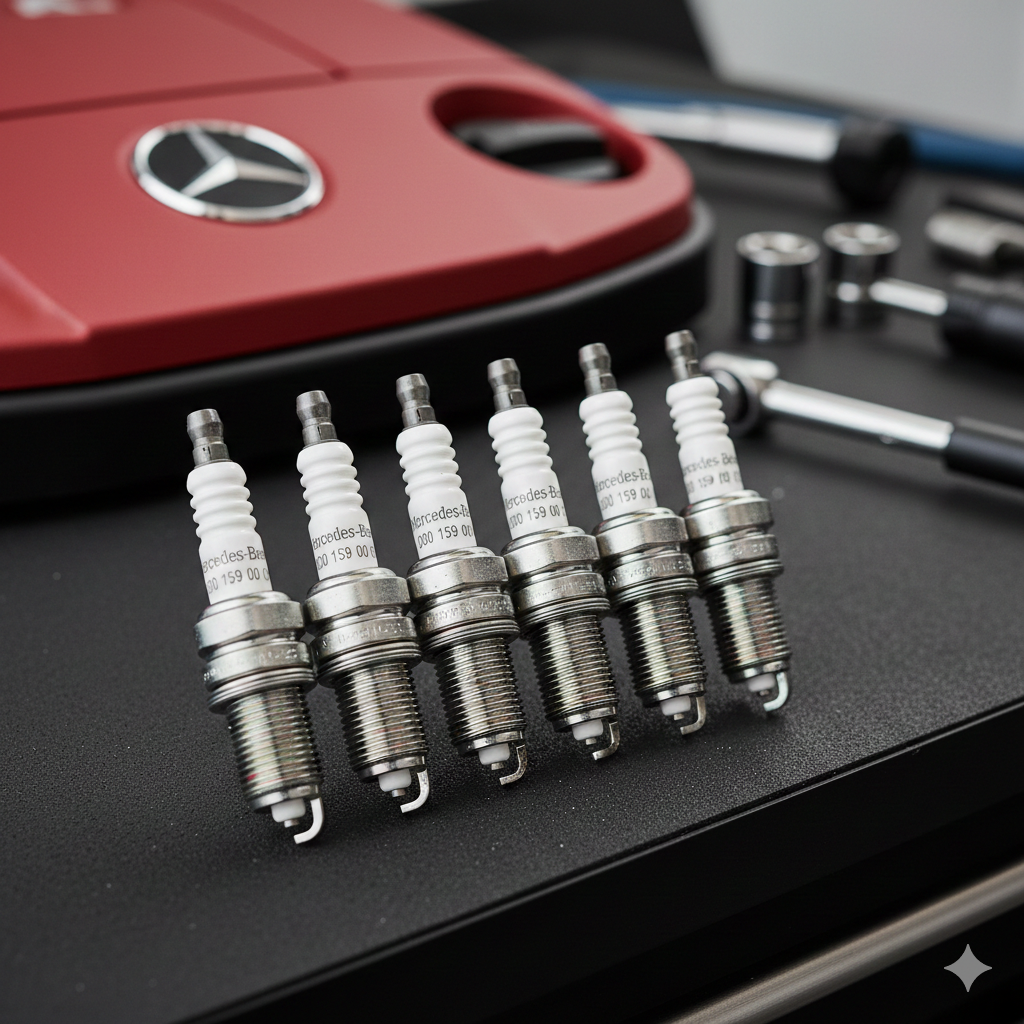
MINI Coopers are prone to misfires due to faulty spark plugs or ignition coils. These components wear out over time and can’t deliver the required spark for combustion. Misfiring often results in rough idling, hesitation during acceleration, and poor fuel economy. Replacing spark plugs and coils at regular service intervals helps maintain engine performance.
Clogged or malfunctioning fuel injectors can disrupt the air-fuel ratio in your MINI Cooper. Symptoms include engine stumbling, reduced power, strong fuel odor, and black smoke from the exhaust. Dirty injectors are especially problematic in turbocharged models like the Cooper S. Professional cleaning or replacement is essential for optimal combustion and smooth operation.
Vacuum leaks affect the engine’s air intake system and often lead to lean conditions that cause misfires. Common signs include high idle, engine hissing, decreased fuel efficiency, and misfire codes across multiple cylinders. These leaks can occur in the intake manifold, vacuum hoses, or PCV system. Identifying and sealing vacuum leaks is key to stabilizing your MINI’s performance.
Older MINI Cooper models, particularly from 2007 to 2012, often experience timing chain problems. A stretched or loose chain disrupts valve timing, which affects combustion and triggers misfires. Symptoms include rattling noises during startup, poor acceleration, and engine oil leaks. Replacing the chain and tensioner with upgraded components helps prevent major engine damage.
Your MINI relies on sensors like the MAF, oxygen sensor, and crankshaft position sensor to regulate engine function. When these sensors fail, the computer may send incorrect fuel or ignition commands. This results in poor drivability, random stalling, and inconsistent power delivery. Accurate diagnostics ensure the faulty sensor is identified and corrected without unnecessary parts replacement.
Engine misfires are a common issue in MINI Coopers, especially as they age. Misfires can cause rough idling, loss of power, poor fuel economy, and increased emissions. To help you avoid these problems, here are five essential tips to keep your MINI running smoothly.
Worn or failing spark plugs and ignition coils are leading causes of misfires in MINI Coopers. Follow the manufacturer’s service interval—typically every 30,000 to 60,000 miles for spark plugs. Ignition coils may last longer, but it’s wise to inspect or replace them if you’re experiencing rough performance.
Poor fuel quality can cause incomplete combustion, leading to engine misfires. Use top-tier gasoline with the proper octane rating recommended in your owner’s manual. Avoid filling up at stations with questionable fuel quality.
Dirty or clogged fuel injectors disrupt the air-fuel mixture and lead to misfiring. Use a fuel system cleaner periodically or have your injectors professionally cleaned every 30,000 to 50,000 miles to maintain efficient combustion.
MINI Coopers, particularly turbocharged models, are known for valve cover gasket and oil filter housing leaks. Oil seeping into the spark plug wells can foul plugs and coils, triggering misfires. Have any oil leaks repaired promptly to avoid secondary damage.
Following your MINI Cooper’s factory maintenance schedule is your best defense against misfires. This includes routine inspections of the ignition, fuel, and emission systems. Regular service at a specialist like Oceanside Motorsports ensures early detection of worn parts and keeps your MINI in peak condition.
A misfiring MINI Cooper isn’t something to overlook. Left unresolved, misfires can lead to catalytic converter damage, poor performance, and long-term engine wear. Whether you’re hearing rough idling, seeing your check engine light, or experiencing a loss of power, the smart move is to have it diagnosed by experts.
Schedule your MINI Cooper repair with Oceanside Motorsports today—we’ll get your car running smoothly and keep it that way.
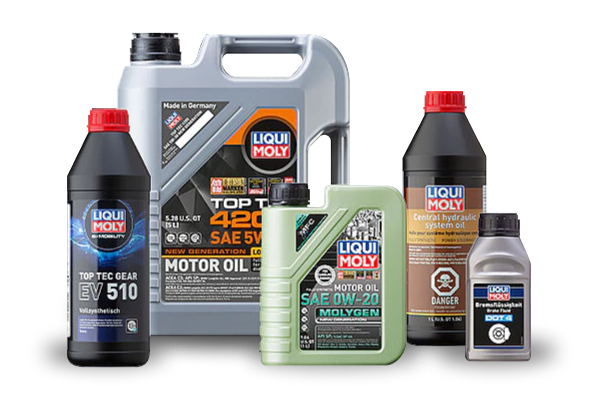
LIFETIME OIL CHANGE MEMBERSHIP INCLUDES UP TO 3 OIL CHANGES PER YEAR – FOREVER. BUY THE PACKAGE AND NEVER PAY FOR ANOTHER OIL CHANGE AGAIN!