
343 Airport Rd.
760-721-5500
The check engine light is one of the most dreaded lights that can illuminate on your Jeep Wrangler’s dashboard. While it’s easy to ignore at first, this light should never be dismissed. The check engine light can indicate a wide range of issues, from minor problems like a loose gas cap to more serious engine complications.
In this blog, we’ll explore common reasons why the check engine light might be on in your Jeep Wrangler and provide actionable steps on how to address them. Here at Oceanside Motorsports, we can find out what’s wrong with your Jeep Wrangler with our diagnostic testing to ensure you’re only spending money on what needs to be fixed.
The check engine light is part of your Jeep Wrangler onboard diagnostics (OBD) system. This system constantly monitors various sensors and components to ensure everything is functioning correctly. When the OBD system detects an issue, it triggers the check engine light. While some issues may seem trivial, others can affect your vehicle’s performance, fuel efficiency, or emissions. If the light is steady, the issue may not be urgent, but if it starts blinking, it’s a sign that something more serious needs immediate attention.
The check engine light can illuminate for various reasons, ranging from minor issues to more severe engine problems. Here are the most common causes.
A loose or damaged gas cap is a simple but often overlooked reason for the check engine light turning on. The gas cap helps maintain proper pressure in the fuel system and prevents vapors from escaping. If it’s not tight, the light will activate even though performance may not be affected. Checking, tightening, or replacing the gas cap usually resolves the issue.
The oxygen sensor measures unburned oxygen in the exhaust to help the engine run efficiently. A malfunctioning sensor can cause your Jeep to burn excess fuel, reducing performance and increasing emissions. This can lead to rough idling or engine misfires. Replacing the faulty oxygen sensor is the solution.
The mass airflow (MAF) sensor monitors the air entering the engine and adjusts fuel levels accordingly. When the MAF sensor fails, your Jeep might experience poor acceleration, stalling, or rough idling. Cleaning or replacing the sensor can restore performance. Regular maintenance of the air filter and sensor can prevent this issue.
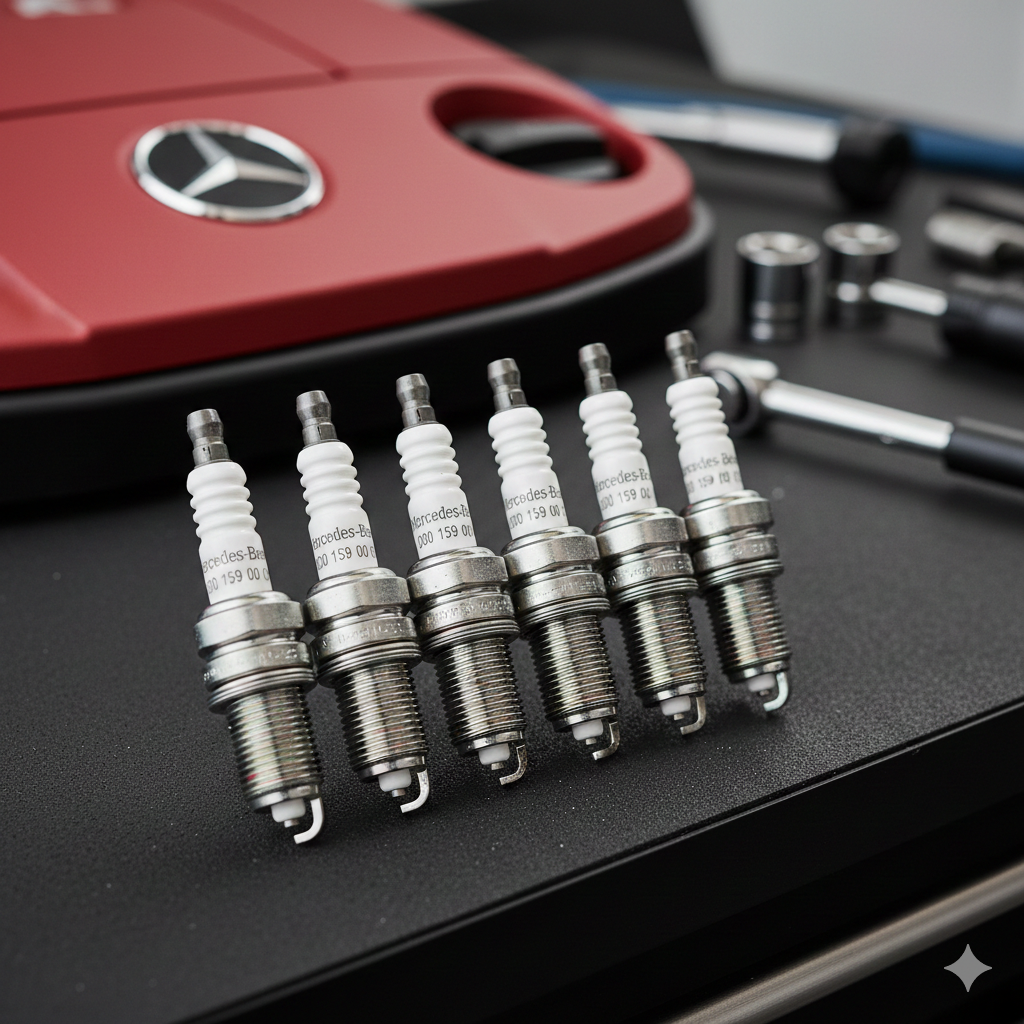
Worn spark plugs or faulty ignition coils can cause incomplete combustion, leading to engine misfires and triggering the check engine light. This issue is especially common if spark plugs are overdue for replacement in your Jeep Wrangler. Replacing the spark plugs and coils typically fixes the problem. Following manufacturer recommendations for replacement intervals can prevent future issues.
The catalytic converter helps reduce harmful exhaust emissions, but if it becomes clogged or damaged, it can affect performance. Symptoms include reduced fuel efficiency, poor acceleration, and a sulfuric smell from the exhaust. Repairing or replacing the converter may be necessary to resolve these issues. Regular engine maintenance helps prevent catalytic converter problems.
Vacuum leaks occur when cracked hoses or gaskets allow an unbalanced air-fuel mixture into the engine. This can trigger the check engine light and cause performance issues like poor acceleration and stalling. Inspecting and replacing damaged hoses or gaskets fixes the problem. Regular engine inspections help catch potential vacuum leaks early.
When the check engine light comes on, the first thing to do is not to panic. In many cases, the issue could be something minor and easy to fix. However, ignoring the warning could cause more serious problems over time. It’s always better to address it early to avoid expensive repairs.
One of the easiest things to check when the light comes on is the gas cap. A loose or damaged gas cap is a common cause for triggering the warning. If this is the problem, tightening or replacing it should fix the issue. The light will usually turn off after a few drive cycles once resolved.
Using an OBD-II scanner is a simple way to diagnose why the check engine light is on. By plugging the scanner into your vehicle, it provides error codes that indicate the specific issue. Common codes like P0300 or P0420 help pinpoint misfires or catalytic converter issues. This tool can save time by helping you or your mechanic like Oceanside Motorsports identify the problem faster.
If you’re unsure of the issue or if basic fixes don’t solve the problem, it’s time to visit a mechanic. A professional mechanic like Oceanside Motorsports with Jeep experience can conduct a thorough diagnostic and make the necessary repairs. This ensures that the problem is accurately diagnosed and properly fixed. Leaving it to an expert helps avoid potential complications later on.
Regular oil changes are essential for keeping your Jeep Wrangler’s engine in top condition. Following the manufacturer’s recommended oil change intervals ensures the engine runs smoothly. Fresh oil lubricates engine parts, reducing friction and wear. This simple maintenance step can help prevent check engine light issues down the road.
Air and fuel filters are critical for maintaining engine performance. When these filters become clogged, they restrict airflow or fuel flow, leading to poor performance. Replacing them regularly ensures your engine operates efficiently. This helps prevent engine problems that could trigger the check engine light.
Regularly inspecting belts and hoses can prevent unexpected engine issues. Worn or damaged belts and cracked hoses can lead to breakdowns or engine malfunctions. If a belt snaps or a hose leaks, it may trigger the check engine light. Replacing worn components early helps avoid costly repairs later.
Spark plugs play a vital role in engine combustion and overall performance. When spark plugs wear out, they can cause misfires, which can reduce engine efficiency. Replacing them on schedule helps keep your Jeep running smoothly. This also reduces the chances of a check engine light appearing due to ignition problems.
Scheduling regular engine diagnostics, even when your vehicle seems fine, is a smart preventative measure. These diagnostics help identify small issues before they turn into costly repairs. Catching problems early can prevent the check engine light from coming on unexpectedly. Regular checkups ensure your Jeep Wrangler stays in optimal condition.
For over 14 years, Oceanside Motorsports has provided Oceanside with the absolute BEST customer experience when your car needs work. We go above and beyond to make sure your experience is enjoyable and we ensure top tier repairs with an exceptional warranty. We service all makes and models. Contact us today to schedule an appointment, we can’t wait to meet you!
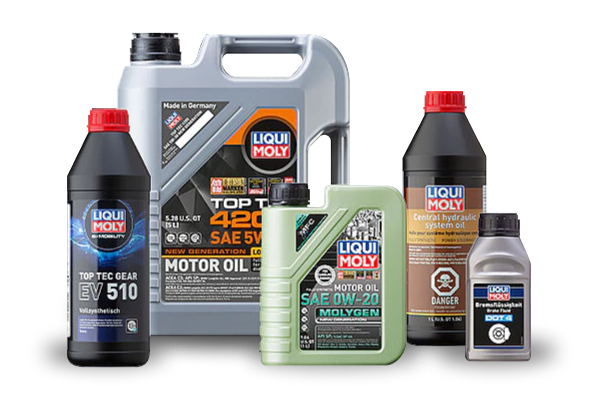
LIFETIME OIL CHANGE MEMBERSHIP INCLUDES UP TO 3 OIL CHANGES PER YEAR – FOREVER. BUY THE PACKAGE AND NEVER PAY FOR ANOTHER OIL CHANGE AGAIN!