


343 Airport Rd.
760-721-5500
If your BMW’s steering wheel is hard to turn, it’s crucial to have it inspected promptly by a qualified mechanic. Common culprits include low power steering fluid levels, a failing power steering pump, issues with the steering rack, worn steering components like tie rods or ball joints, or faults in the steering column or gearbox. A German mechanic can diagnose the problem accurately and perform necessary repairs to restore smooth steering operation, ensuring your BMW remains safe and responsive on the road.
Here are the top 5 potential reasons why your BMW’s steering wheel is hard to turn. These are the primary areas to investigate when experiencing difficulty with steering in a BMW. A professional inspection by a qualified German mechanic or auto repair is recommended to accurately diagnose and address the underlying cause.
If your BMW’s steering wheel feels unusually stiff, low power steering fluid levels could be the culprit. Insufficient fluid means diminished hydraulic pressure, making steering more difficult. To address this, locate the power steering fluid reservoir in your BMW’s engine bay and check the fluid level. If it’s low, refill it to the recommended level using the appropriate type of power steering fluid specified in your owner’s manual.
If your BMW’s steering wheel becomes harder to turn, a failing or malfunctioning power steering pump could be to blame. This crucial component is responsible for providing hydraulic assistance, aiding in easier steering. However, if the pump is failing, it won’t deliver adequate assistance, resulting in increased resistance when turning the wheel.
Damage or leaks in the steering rack of your BMW can significantly impact the smoothness of steering operation, leading to increased difficulty when turning the wheel. The steering rack is a critical component responsible for translating the movement of the steering wheel into the movement of the wheels. Any damage or leakage in the rack can disrupt this process, causing stiffness or resistance in the steering system.
As your BMW ages, components like tie rods, ball joints, and control arm bushings can wear out, leading to increased resistance and difficulty when turning the steering wheel. These parts play crucial roles in maintaining the stability and maneuverability of the vehicle’s steering system. When they become worn or damaged, it can result in a noticeable decrease in steering responsiveness and an increase in stiffness.
The steering column connects the steering wheel to the steering mechanism, while the gearbox is responsible for transmitting the driver’s input to the wheels. Any problems with these components can disrupt the steering mechanism, resulting in decreased responsiveness and increased resistance when turning the wheel. To address this issue, it’s essential to have your BMW inspected by a qualified mechanic.
To prevent your BMW’s steering wheel from becoming hard to turn, regular preventive maintenance is key. This includes checking and maintaining proper power steering fluid levels, inspecting steering components like tie rods and ball joints for wear, and ensuring the steering system is properly lubricated. Additionally, timely servicing and inspections by a qualified mechanic can help detect any potential issues early on, allowing for prompt repairs and ensuring optimal steering performance and safety on the road.
For over 14 years, Oceanside Motorsports has provided Oceanside with the absolute BEST customer experience when your car needs work. We go above and beyond to make sure your experience is enjoyable and we ensure top tier repairs with an exceptional warranty. We service all makes and models with a specialty focus on European cars like BMW, Mini, VW, Audi, and Mercedes. Contact us today to schedule an appointment, we can’t wait to meet you!



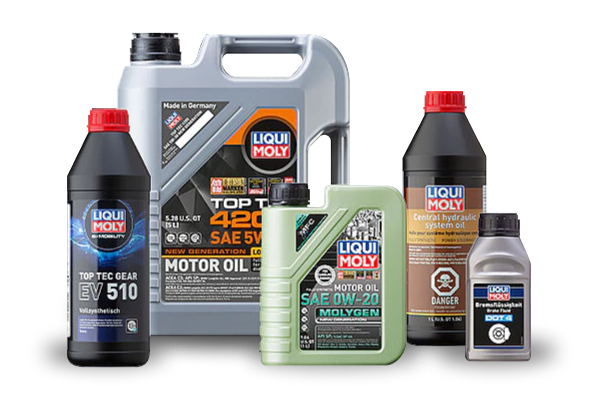
LIFETIME OIL CHANGE MEMBERSHIP INCLUDES UP TO 3 OIL CHANGES PER YEAR – FOREVER. BUY THE PACKAGE AND NEVER PAY FOR ANOTHER OIL CHANGE AGAIN!