
343 Airport Rd.
760-721-5500
When your BMW is misfiring, it indicates a disruption in the combustion process within one or more cylinders of the engine. This can result in a range of symptoms, including rough idling, loss of power, and increased fuel consumption. Misfiring can be caused by various factors, including faulty spark plugs, ignition coils, fuel injectors, or engine sensors. Additionally, vacuum leaks, clogged air filters, or issues with the fuel delivery system can also contribute to misfires.
Proper diagnosis by a qualified German mechanic is essential to identify the specific cause of the misfiring and implement appropriate repairs to restore the smooth operation of your BMW engine. Regular maintenance and timely replacement of worn components can help prevent misfires and ensure optimal engine performance. Here at Oceanside Motorsports, we can find out what’s wrong with our diagnostic testing to ensure you’re only spending money on what needs to be fixed.
A misfiring BMW can be caused by various issues, but some common culprits include the following. To diagnose the exact cause of the misfire in your BMW, it’s best to have a professional auto repair like Oceanside Motorsports perform a thorough inspection and diagnostic testing. They can use specialized tools and techniques to pinpoint the specific issue and recommend the necessary repairs.
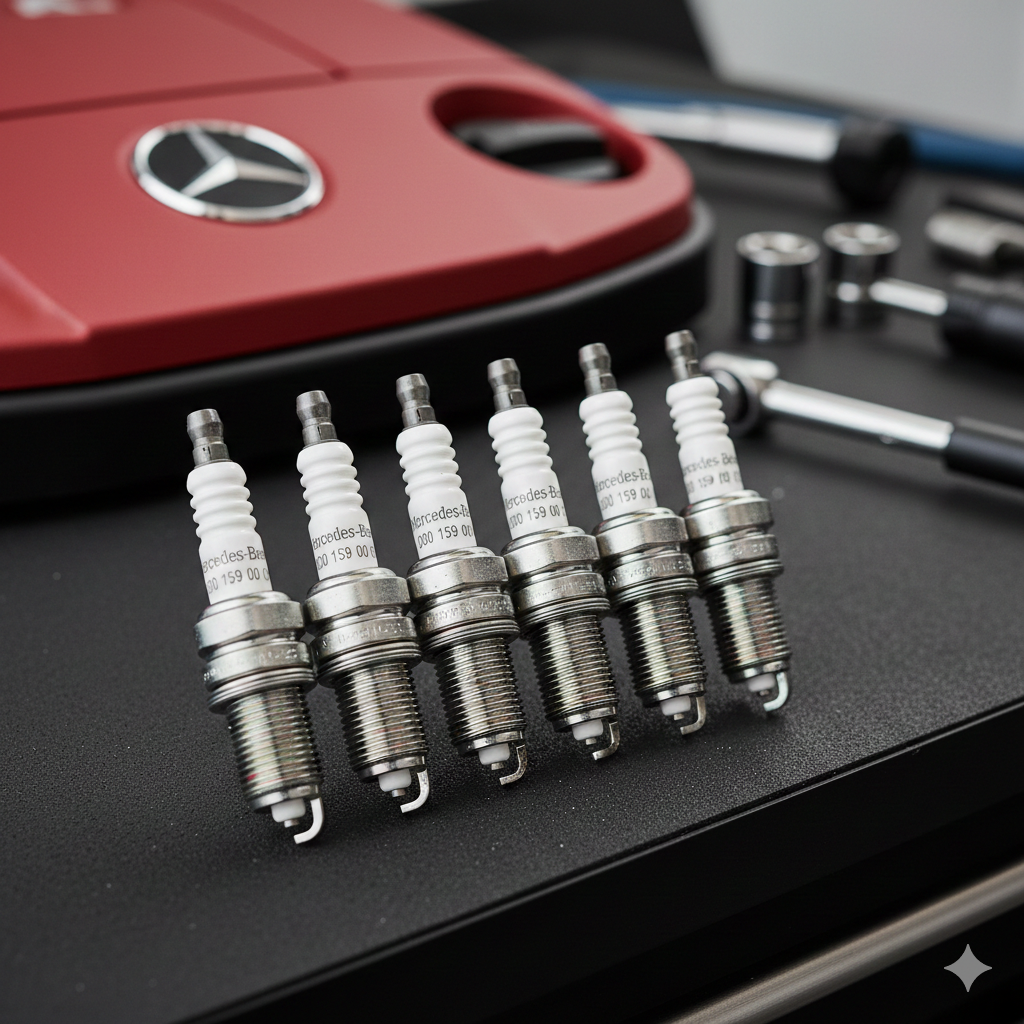
In BMW vehicles, worn or damaged spark plugs can contribute to misfiring. Over time, these vital components degrade, leading to inefficient ignition of the fuel-air mixture within the engine cylinders. When spark plugs fail to generate a strong spark, combustion becomes erratic, resulting in misfires, reduced engine performance, and potentially increased fuel consumption. Regular maintenance, including periodic inspection and replacement of spark plugs according to the manufacturer’s recommendations, is essential to ensure optimal engine performance and reliability in BMW vehicles.
A malfunctioning ignition coil in a BMW can lead to inconsistent sparking, which in turn can cause misfires. The ignition coil is responsible for converting the low voltage from the battery into the high voltage needed to ignite the air-fuel mixture in the engine cylinders. When the ignition coil malfunctions, it may not produce a strong and consistent spark, leading to incomplete combustion or no combustion at all in one or more cylinders. This results in misfires, which can manifest as rough engine idle, loss of power, and potentially even engine stalling.
In BMW vehicles, various fuel system issues such as a clogged fuel injector, low fuel pressure, or a faulty fuel pump can disrupt the proper delivery of fuel to the engine cylinders, potentially leading to misfires. A clogged fuel injector may not spray fuel evenly or at the correct pressure, affecting combustion. Low fuel pressure can result in insufficient fuel reaching the cylinders, causing lean misfires. A faulty fuel pump may not provide adequate fuel flow, especially under high-demand conditions, resulting in misfires and performance issues. Proper maintenance and timely inspection of the fuel system components are crucial to ensure optimal fuel delivery and engine performance in BMW vehicles.
Any restriction in the air intake system in BMWs, such as a dirty air filter or a malfunctioning mass airflow sensor (MAF), can disrupt the balance of the air-fuel mixture, potentially leading to misfires. A dirty air filter restricts airflow into the engine, reducing the amount of oxygen available for combustion. Similarly, a faulty MAF sensor may provide inaccurate airflow readings to the engine control unit, resulting in incorrect fuel delivery. These issues can lead to a lean or rich air-fuel mixture, causing misfires, reduced engine performance, and increased emissions.
When leaks occur in this system, typically due to degraded hoses, gaskets, or connections, extra air infiltrates the engine’s intake system without being measured by the airflow sensor. This unaccounted-for air disrupts the precise balance of air and fuel, potentially leading to a mixture that is too lean or too rich. In either case, combustion efficiency is compromised, resulting in misfires, rough idling, decreased power, and possibly even engine stalling. Regular inspection and maintenance of the vacuum system are essential to prevent such issues and ensure the BMW engine runs smoothly and efficiently.
Precise ignition timing and camshaft timing are critical for optimal engine performance of your BMW. If the ignition timing or camshaft timing is incorrect, the combustion process may not occur at the optimal moment, leading to misfires. Ignition timing determines when the spark plug fires, initiating combustion, while camshaft timing controls the opening and closing of the engine’s intake and exhaust valves. If these timings are off, combustion may occur too early, too late, or unevenly across cylinders, resulting in misfires, reduced power, and potential engine damage.
For over 14 years, Oceanside Motorsports has provided Oceanside with the absolute BEST customer experience when your car needs work. We go above and beyond to make sure your experience is enjoyable and we ensure top tier repairs with an exceptional warranty. We service all makes and models with a specialty focus on European cars like BMW, Mini, VW, Audi, and Mercedes. Contact us today to schedule an appointment, we can’t wait to meet you!


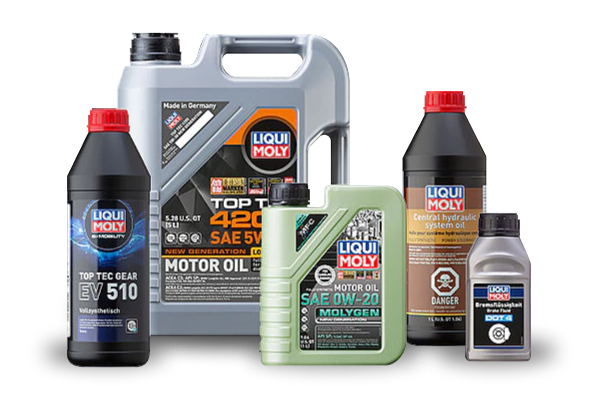
LIFETIME OIL CHANGE MEMBERSHIP INCLUDES UP TO 3 OIL CHANGES PER YEAR – FOREVER. BUY THE PACKAGE AND NEVER PAY FOR ANOTHER OIL CHANGE AGAIN!