
343 Airport Rd.
760-721-5500
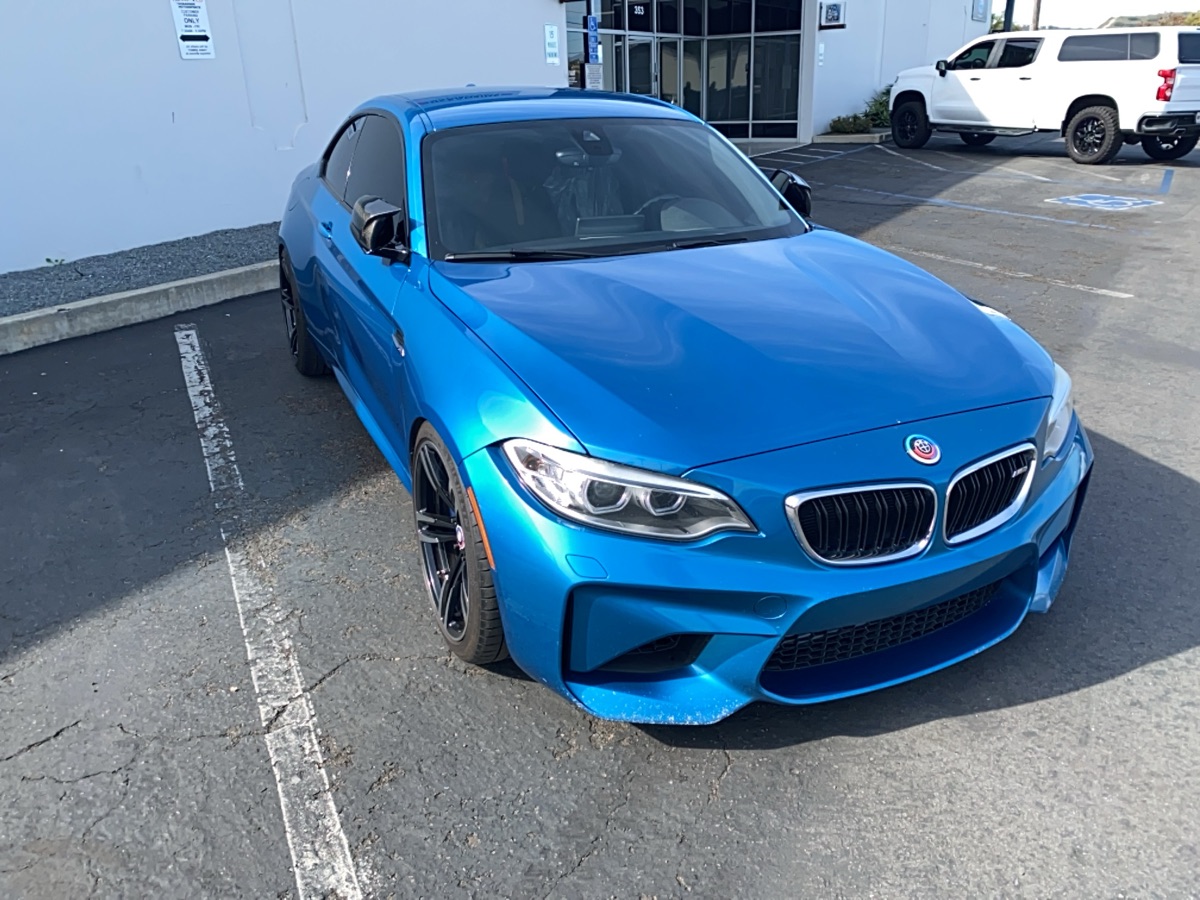
Owning a BMW comes with the expectation of a high-performing, luxury vehicle. However, like any car, it is prone to wear and tear over time, and one common issue that BMW owners face is oil leaks. If your BMW is leaking oil from the bottom, it’s essential to address the problem promptly to avoid further damage to the engine or other critical components.
In this blog, we’ll explore the possible reasons for oil leaks, how to identify them, and what you can do to fix the issue. Here at Oceanside Motorsports, we can find out what’s wrong with your BMW with our diagnostic testing to ensure you’re only spending money on what needs to be fixed.
Before we dive into the causes of an oil leak, it’s essential to understand the critical role oil plays in your BMW’s engine. Oil acts as a lubricant for all the moving parts, ensuring that the engine runs smoothly. It helps to reduce friction, control heat, and prevent wear and tear on engine components. When oil begins to leak, it can lead to a number of problems, including reduced engine performance, overheating, and even complete engine failure if left unaddressed.
There are several reasons why your BMW might be leaking oil from the bottom. Identifying the cause is crucial for determining the appropriate fix. Here are some of the most common causes of oil leaks.
Gaskets and seals play a critical role in preventing oil from leaking out of your engine. Over time, these components can become worn out or damaged due to exposure to heat and constant use. The most common culprits for oil leaks in BMWs are the valve cover gasket, oil pan gasket, and rear main seal. When these gaskets or seals fail, oil begins to seep out and may leak from the bottom of the vehicle.
The oil filter housing gasket is another common source of oil leaks in BMWs. This gasket seals the connection between the oil filter housing and the engine block. If it becomes damaged or degraded, oil can escape and accumulate on the bottom of the engine, eventually dripping onto the ground. This issue is particularly common in BMW models that have seen many miles.
The oil pan is located at the bottom of the engine and holds the oil when the vehicle is turned off. If the oil pan becomes cracked or damaged, it can lead to an oil leak. Cracks in the oil pan can occur due to road debris, accidents, or simply wear and tear over time. A cracked oil pan can result in a slow but steady oil leak, which will need to be repaired as soon as possible to avoid more significant engine issues.
The oil pressure sensor is responsible for monitoring the oil pressure in your engine and sending signals to the dashboard warning light if something goes wrong. If the sensor becomes faulty or damaged, it may cause an oil leak. Additionally, if the sensor malfunctions, it may not accurately warn you of low oil pressure, further complicating the issue.
After an oil change, the oil drain plug at the bottom of the oil pan should be securely tightened. However, if the plug is loose or improperly installed, it can cause oil to leak from the bottom of the vehicle. Additionally, if the plug’s gasket is damaged, it may not seal correctly, leading to a leak. This is one of the easier causes of an oil leak to fix but can lead to bigger issues if not addressed promptly.
If too much oil has been added during an oil change, the excess oil can put pressure on seals and gaskets, causing leaks. Additionally, overfilling the oil can lead to frothing, which reduces the oil’s ability to lubricate the engine. Ensuring the proper oil levels are maintained is key to preventing leaks and ensuring optimal engine performance.
Detecting an oil leak early can save you from costly repairs down the line. Here are some signs that your BMW is leaking oil.
One of the clearest signs of an oil leak is the presence of oil spots on the ground where your car was parked. These spots can appear as small drips or larger puddles, depending on the severity of the leak. Fresh oil on the pavement is a definite indication that something isn’t right. It’s important to address this issue quickly to prevent further damage to the engine.
A burning oil smell is a strong indicator that oil is leaking onto hot engine parts. This odor is often noticeable while driving or shortly after turning off the engine. The smell can be overwhelming and is difficult to ignore. If you experience this, it’s crucial to inspect your engine for potential leaks or overheating.
Needing to frequently top off your oil may signal a leak, even if no visible spots are present. Regularly checking your oil levels with a dipstick can help monitor the situation. If you’re losing oil and there’s no apparent leak, it may be leaking internally into the engine. This requires professional diagnosis to avoid serious engine damage.
Many BMW models come with an oil warning light that activates if oil pressure drops or oil levels get too low. This light serves as an early indicator of potential issues, such as an oil leak. Ignoring this light can lead to severe engine problems. It’s important to check your oil immediately if this warning appears.
For over 14 years, Oceanside Motorsports has provided Oceanside with the absolute BEST customer experience when your car needs work. We go above and beyond to make sure your experience is enjoyable and we ensure top tier repairs with an exceptional warranty. We service all makes and models with a specialty focus on European cars like BMW, Mini, VW, Audi, and Mercedes. Contact us today to schedule an appointment, we can’t wait to meet you!

LIFETIME OIL CHANGE MEMBERSHIP INCLUDES UP TO 3 OIL CHANGES PER YEAR – FOREVER. BUY THE PACKAGE AND NEVER PAY FOR ANOTHER OIL CHANGE AGAIN!