

343 Airport Rd.
760-721-5500
If your Audi is shaking, it could stem from various mechanical issues that warrant attention. One common culprit is often related to the wheels and tires. Uneven tire wear, improper tire inflation, or misaligned wheels can induce vibrations, particularly at higher speeds. Additionally, wheel balance problems, where weights have shifted or fallen off, can also lead to shaking. These issues are relatively straightforward to address through wheel alignment, tire rotation, and balancing, but neglecting them can worsen the problem and potentially compromise driving safety.
Beyond wheel and tire issues, other potential causes of shaking in your Audi might lie within its suspension or drivetrain components. Worn-out suspension parts, such as bushings or shocks, can result in noticeable vibrations, especially over bumps or rough road surfaces. Moreover, drivetrain problems, such as issues with the transmission, driveshaft, or CV joints, can also manifest as shaking, particularly during acceleration or at certain speeds. Prompt diagnosis and repair by a qualified German auto repair like Oceanside Motorsports are essential to identify the precise source of the shaking and ensure the continued smooth operation of your Audi.
Audi shaking can be caused by various factors, and diagnosing the exact cause would require more information. However, some common reasons for a car, including an Audi, to shake could be the following. If your Audi is experiencing shaking, it’s advisable to have it inspected by a qualified German mechanic to diagnose and address the specific issue. Ignoring such symptoms can lead to further damage and potentially compromise safety.
Improperly aligned wheels on your Audi can lead to a range of issues, including vibrations, particularly noticeable at higher speeds. This phenomenon is often referred to as wheel vibration or shimmy. When the wheels are not aligned correctly, it means they are not all pointing in the same direction relative to each other and the vehicle’s frame. This misalignment can occur due to various factors such as hitting potholes, driving over rough terrain, or general wear and tear over time.
Shaking in a vehicle can often be attributed to issues such as uneven tire wear, tire imbalance, or damaged tires. It’s crucial to check for tire pressure, ensuring it’s at the manufacturer’s recommended level, as improper inflation can lead to uneven tire wear and imbalance. Inspect the tread wear across all tires, looking for signs of uneven wear patterns that could indicate misalignment or suspension issues
Wheel balancing is a process that ensures the weight of the wheel and tire assembly is evenly distributed around the axle. When a wheel is out of balance, even by a small amount, it can result in vibrations that become more noticeable as the vehicle accelerates to higher speeds. These vibrations can be felt through the steering wheel, seat, and floorboard, and they can affect the overall comfort and handling of your Audi.
Warped brake rotors or worn brake pads are common culprits behind your Audi shaking when braking. Warped rotors have an uneven surface, causing inconsistent contact with the brake pads and resulting in vibrations when pressure is applied. Similarly, worn brake pads lack the necessary friction to grip the rotors evenly, leading to juddering sensations during braking. Both issues compromise braking performance and safety, necessitating prompt inspection and repair to ensure smooth and effective braking operations.
In Audi vehicles, worn-out suspension components like bushings, shocks, or struts can contribute to vibrations. The precision-engineered suspension systems in Audis rely on these components to ensure a smooth and stable ride. When bushings deteriorate or shocks and struts lose their effectiveness due to wear, the suspension’s ability to absorb road imperfections diminishes, leading to vibrations felt throughout the vehicle, particularly over uneven surfaces or during maneuvers.
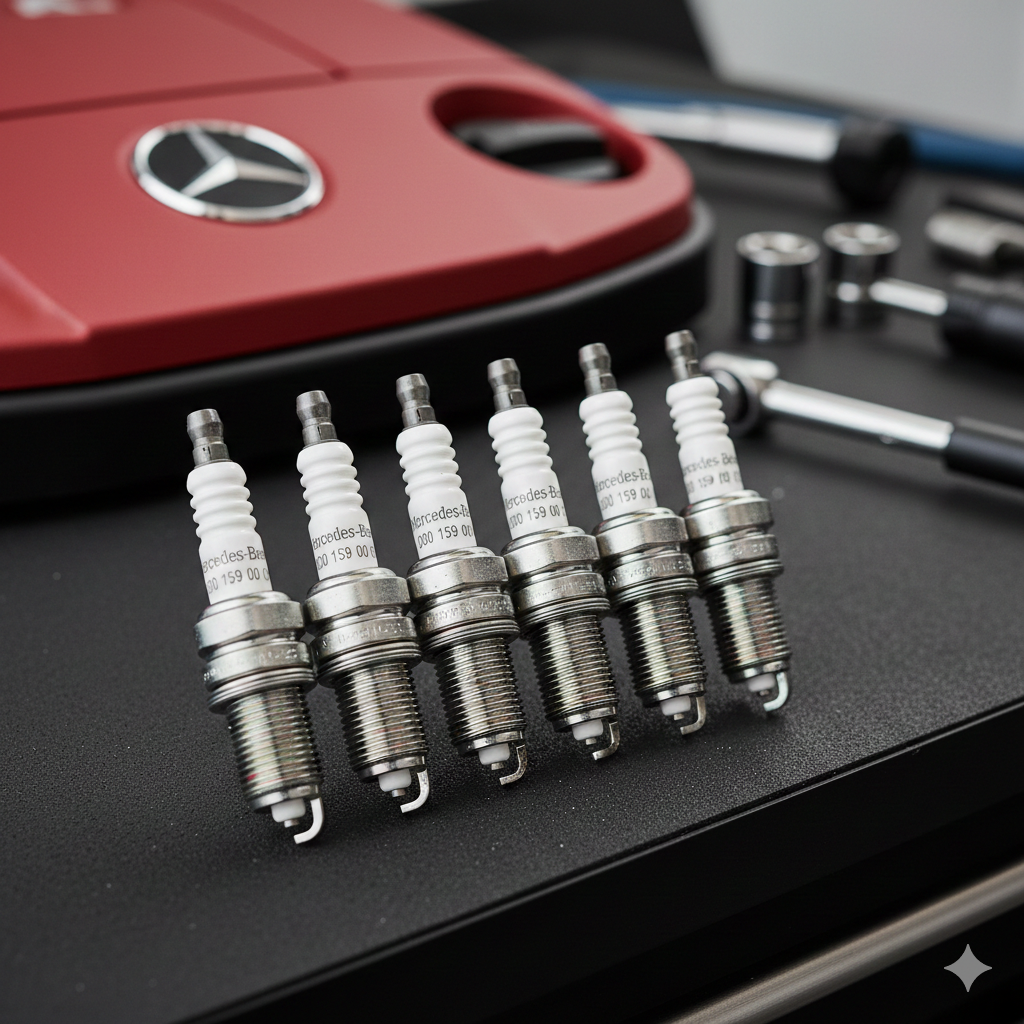
In Audi vehicles, engine vibrations can often be attributed to misfiring cylinders, worn spark plugs, or issues with fuel injectors. The high-performance engines found in Audis rely on precise ignition timing and fuel delivery for smooth operation. When cylinders misfire due to issues like faulty spark plugs or malfunctioning fuel injectors, the engine’s balance is disrupted, leading to noticeable vibrations. Regular maintenance, including spark plug replacement and fuel system inspection, is crucial to ensure optimal engine performance and minimize vibrations in Audi vehicles.
Audi’s advanced drivetrain systems demand precision and durability, but over time, components like the driveshaft or CV joints can wear out, leading to excessive vibration under acceleration. Problems with the transmission, such as worn gears or low fluid levels, can also contribute to shaking during acceleration.
In Audi vehicles, renowned for their refined performance, any irregularity in the exhaust system can disrupt the smooth operation of the engine. When the exhaust system is damaged or has loose components such as hangers, brackets, or flanges, vibrations can occur as exhaust gases flow through the system unevenly. These vibrations may be particularly pronounced at specific RPM ranges where engine and exhaust system harmonics interact.
For over 14 years, Oceanside Motorsports has provided Oceanside with the absolute BEST customer experience when your car needs work. We go above and beyond to make sure your experience is enjoyable and we ensure top tier repairs with an exceptional warranty. We service all makes and models with a specialty focus on European cars like BMW, Mini, VW, Audi, and Mercedes. Contact us today to schedule an appointment, we can’t wait to meet you!




LIFETIME OIL CHANGE MEMBERSHIP INCLUDES UP TO 3 OIL CHANGES PER YEAR – FOREVER. BUY THE PACKAGE AND NEVER PAY FOR ANOTHER OIL CHANGE AGAIN!