

343 Airport Rd.
760-721-5500
If you’ve noticed your Audi Q7’s oil levels dropping faster than usual or spotted the dreaded oil warning light a little too often, you’re not alone. Oil consumption issues are a common complaint among Audi Q7 owners, and while it’s frustrating, understanding the root of the problem can help you catch it early and avoid major repairs down the line.
Let’s dive into why your Audi Q7 might be burning oil and what you can do about it, especially if you’re in the Oceanside area and need expert Audi repair. At Oceanside Motorsports, we offer Audi repair and service for all Audi vehicles, including all cars and SUVs, in Oceanside, CA and the surrounding area. From the minute you arrive, you and your Audi will be taken care of with your best interest in mind.
When your car burns oil, it means that engine oil is entering the combustion chamber and being burned along with the air-fuel mixture. This can happen slowly over time or more aggressively, depending on the health of the engine. Unlike an external oil leak, which leaves puddles on your driveway, burning oil usually doesn’t leave a visible trace — except in your oil dipstick readings and the occasional blue smoke from the exhaust.
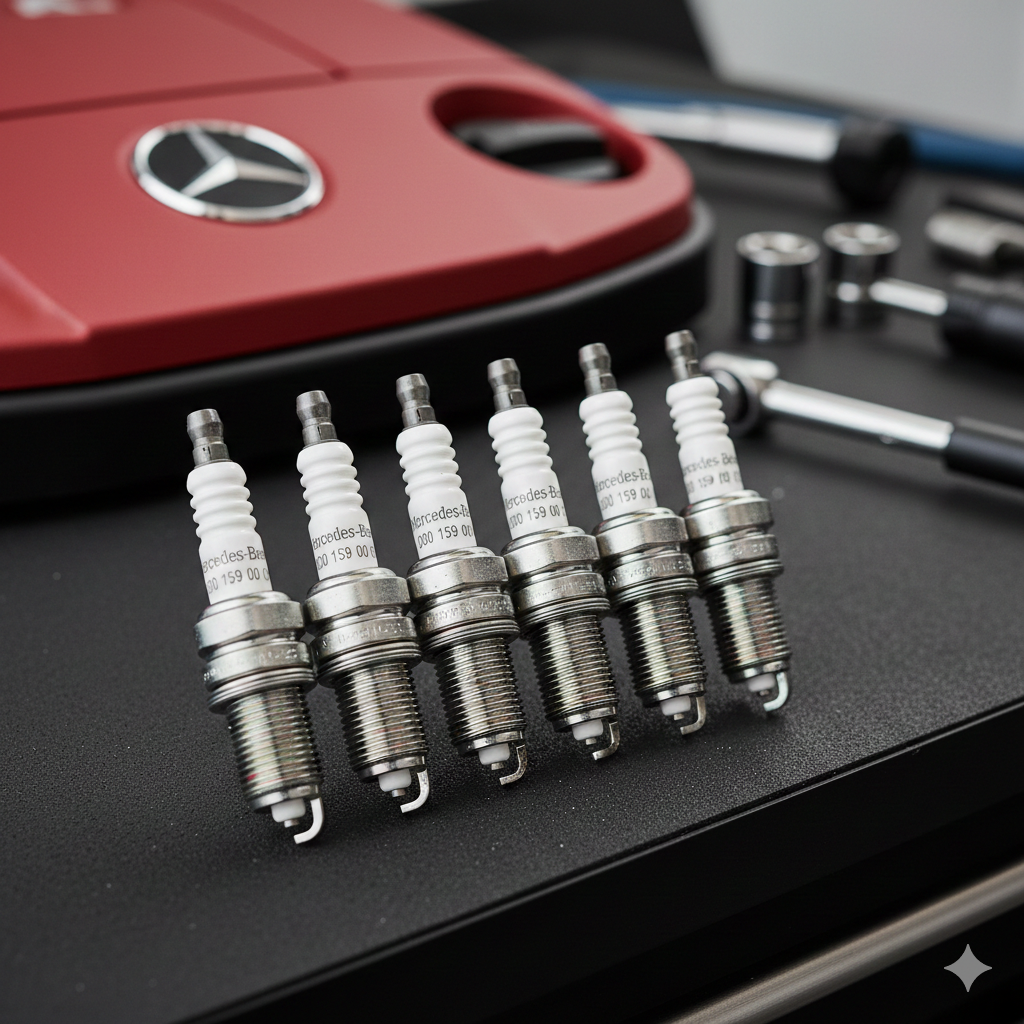
Burning oil isn’t just a nuisance. It can lead to reduced engine performance, spark plug fouling, poor fuel economy, and eventually, engine damage. So if you’re topping off the oil more than every few months, it’s worth taking a closer look.
One of the most common causes of oil burning is worn or damaged piston rings. These rings are designed to keep oil out of the combustion chamber. When they wear down, oil slips past and gets burned during combustion. Audi’s 3.0L and 4.2L engines, especially in older Q7 models, have been known to suffer from this issue over time.
Worn piston rings usually mean lower compression, poor performance, and higher oil consumption. Unfortunately, fixing this involves significant engine work, so it’s best to catch it early.
Valve seals prevent oil from dripping into the combustion chamber when the engine is running. If these seals start to degrade — which they can over time, especially with heat exposure — oil will seep past and burn off. You may notice more oil burning during startup or after idling for a while, which is a typical sign of valve seal issues.
Audi’s Q7 engines use a Positive Crankcase Ventilation (PCV) system to help control engine pressure and recycle oil vapors. When this valve malfunctions, it can cause oil to be sucked into the intake and burned. In many Q7s, especially those with turbocharged engines, a faulty PCV valve is a known culprit of excessive oil consumption. The good news? This is typically a much more affordable repair compared to internal engine work.
If your Q7 has a turbocharged engine (like the 3.0T), a failing turbo can also cause oil burning. The turbocharger relies on oil for cooling and lubrication, and worn seals inside the turbo can leak oil into the intake or exhaust side — both of which result in oil being burned. You might notice reduced turbo performance, smoke from the exhaust, or strange noises if the turbo is failing. It’s not a cheap fix, but catching it early can prevent more serious engine damage.
Audi recommends high-quality synthetic oil for the Q7, but using cheap oil or waiting too long between oil changes can lead to sludge buildup or oil breakdown. As oil loses its viscosity, it slips past seals more easily and burns quicker. If you’re not already using OEM-approved oil and following the recommended service schedule, now’s a good time to start.
If your oil warning light comes on before your next scheduled service, it’s a sign of a deeper issue. This warning usually means your oil level or pressure is too low. While topping it off helps temporarily, it doesn’t solve the root problem. Persistent oil light warnings should always be checked by a professional.
Needing to add oil more than once between oil changes is not normal. This could point to a leak or the engine burning oil. Either way, your engine isn’t holding oil the way it should. Ignoring this can lead to major engine damage over time.
If your engine feels sluggish or off, oil-related issues might be the cause. Low oil can reduce lubrication, making your engine work harder. Over time, parts can wear faster, leading to performance drops. Don’t ignore small changes—they usually get worse.
A burning oil smell inside or outside the car is a clear warning. This often means oil is leaking onto hot engine parts. Not only is it unpleasant, but it can also be dangerous. It’s best to get this checked before it becomes a fire risk.
The check engine light can be triggered by oil issues too. Fouled spark plugs or damaged sensors from oil contamination are common causes. These problems may reduce efficiency or increase emissions. A diagnostic scan can help pinpoint the issue quickly.
Burning oil in your Audi Q7 is more than just a nuisance — it’s a sign that something deeper might be going on. Whether it’s valve seals, piston rings, or just a faulty PCV valve, the key is to act early and work with a shop that knows Audi vehicles inside and out.
If you’re in the Oceanside area and looking for reliable Audi repair, contact Oceanside Motorsports today. We’re passionate about European vehicles, and we’re here to help keep your Q7 running smoothly — without constantly topping off the oil.



LIFETIME OIL CHANGE MEMBERSHIP INCLUDES UP TO 3 OIL CHANGES PER YEAR – FOREVER. BUY THE PACKAGE AND NEVER PAY FOR ANOTHER OIL CHANGE AGAIN!