

343 Airport Rd.
760-721-5500
If you’ve ever asked, “Why is my Audi engine making a ticking noise?” you’re not alone. This is a common issue faced by many Audi owners, and understanding the cause behind that ticking sound is crucial for both peace of mind and preventing potential damage.
Ticking noises coming from your Audi engine can range from harmless to critical, so knowing how to address the problem and when to seek professional help is key. Here at Oceanside Motorsports, we can find out what’s wrong with your Audi with our diagnostic testing to ensure you’re only spending money on what needs to be fixed.
Engines are complex systems with many moving parts, and a ticking noise can arise from several different issues. Let’s dive into some of the most common reasons why your Audi’s engine might be making that ticking sound.
A common cause of engine ticking noise is low oil levels or pressure. Your Audi’s engine needs a consistent flow of oil to lubricate its moving components. If the oil level drops, parts like the valves and camshaft may not get enough lubrication, causing a ticking noise. Low oil pressure may also occur due to an oil pump failure, clogged passages, or a faulty filter.
Hydraulic lifters help ensure the engine’s valves open and close smoothly. Over time, these lifters can wear out or malfunction, leading to improper clearance. This can cause a ticking sound as the engine runs. Replacing worn lifters typically requires the mechanic to disassemble part of the engine, making it a labor-intensive repair.
An exhaust leak, especially near the manifold, can create a ticking noise. Cracks or gaps in the exhaust system allow gasses to escape, which can result in a ticking sound, particularly when the engine is cold. Inspecting the manifold and gaskets for damage is key to diagnosing this issue. A mechanic may need to repair the manifold or replace damaged gaskets to fix the leak.
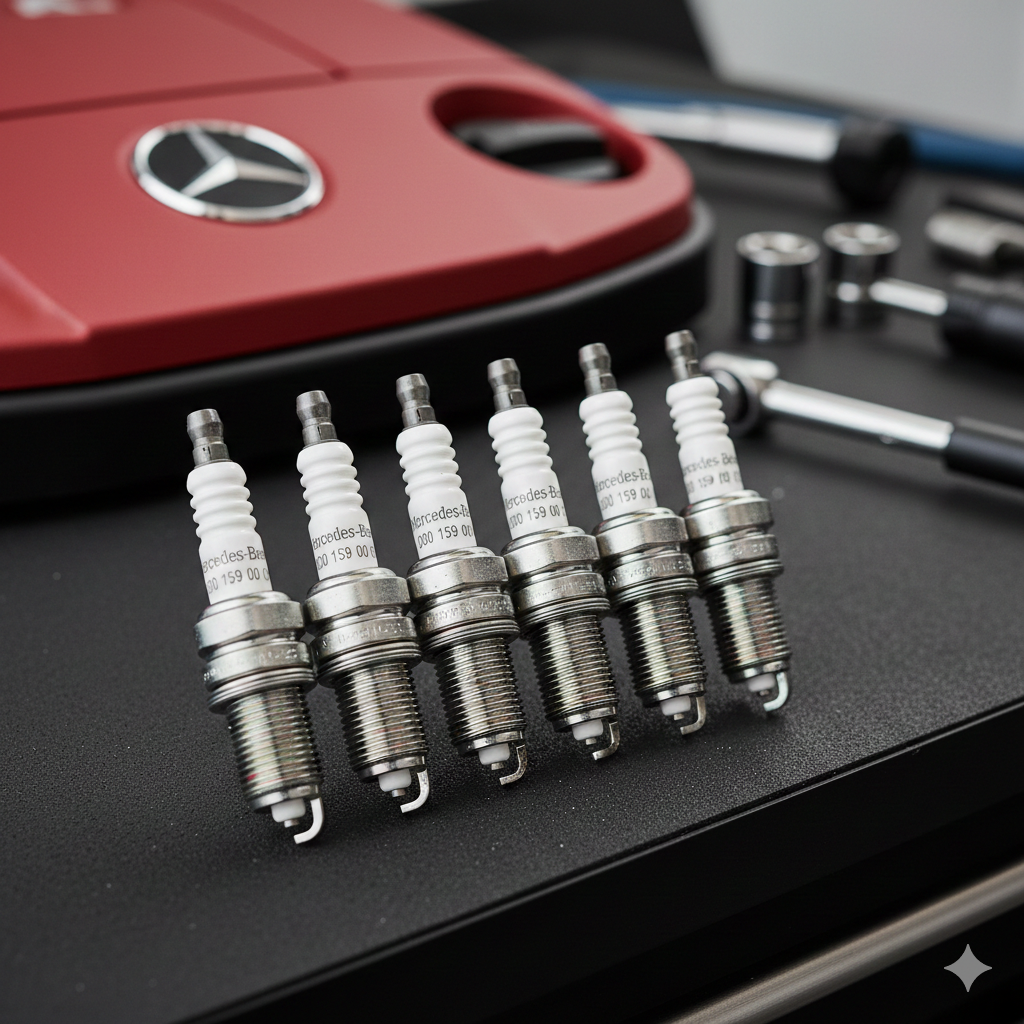
Loose or damaged spark plugs can cause a ticking noise by disrupting the combustion process. When the spark plug electrodes wear, the gap widens, leading to uneven combustion and potential misfires. This can make your engine noisy and less efficient. Replacing faulty spark plugs according to Audi’s maintenance schedule can resolve the issue.
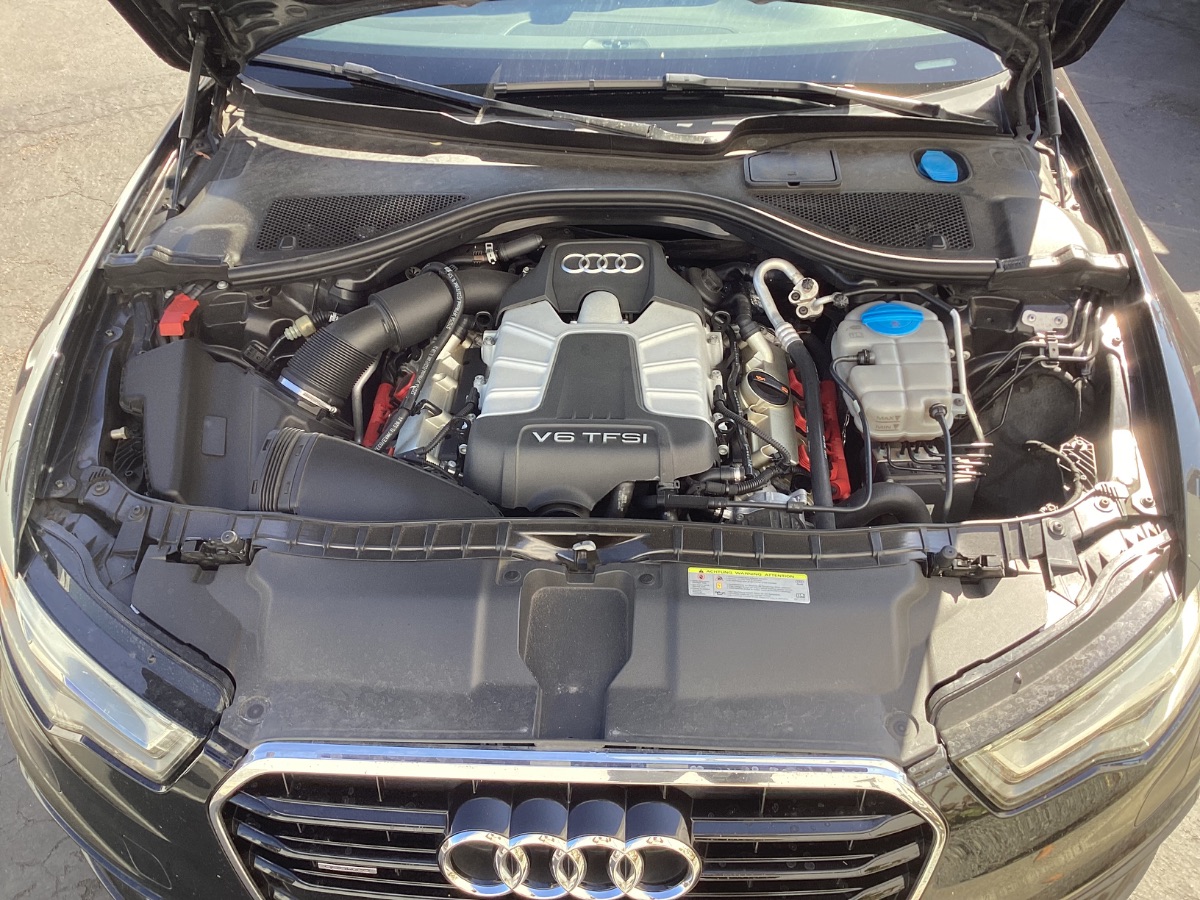
Fuel injectors can make a ticking noise, especially in direct injection engines like Audi’s TFSI models. This is generally a normal operating sound, as the injectors fire during fuel delivery. However, if the ticking grows louder or is coupled with performance problems, it could signal a failing injector. Cleaning or replacing the injector can address this concern.
The timing chain or belt ensures synchronization between the camshaft and crankshaft. If worn, loose, or improperly tensioned, it can generate a ticking sound. This is a serious issue, as a broken timing belt can lead to severe engine damage. Timely replacement of the timing chain or belt is essential to avoid further complications.
Now that we’ve covered the common causes of ticking noises, you might wonder how to prevent this issue in the first place. Routine maintenance is the key to keeping your Audi’s engine running smoothly.
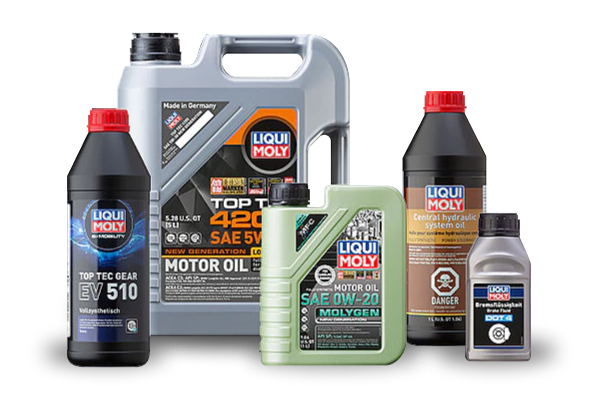
Audi recommends regular oil changes at specific intervals, depending on the model and engine type. It’s important to use the correct oil grade to ensure optimal engine performance. Changing the oil filter along with the oil helps maintain engine cleanliness and lubrication. By keeping up with these oil changes, you can prevent common issues like engine ticking and poor engine efficiency. Neglecting oil changes can lead to more serious problems, like engine overheating or even failure.
Regular vehicle inspections are crucial to catching potential issues early. Components such as spark plugs, lifters, and belts wear down over time and can cause larger problems if left unchecked. Identifying and addressing small issues can save you from expensive repairs later. Checking these components also helps ensure the vehicle runs smoothly and efficiently. Performing inspections yourself or having a mechanic look at your car is key to maintaining its longevity.
Following Audi’s recommended maintenance schedule is essential for keeping your engine in top shape. This includes more than just oil changes, like timing belt or chain inspections, spark plug replacements, and injector cleanings. Adhering to the schedule can prevent performance issues and extend the life of your engine. Skipping scheduled maintenance can result in decreased fuel efficiency and potential engine damage. By following these guidelines, you’ll keep your Audi running smoothly for years to come.
If you’ve tried the simple fixes, such as adding oil or checking the spark plugs, and the ticking noise persists, it’s time to consult a professional mechanic. Continuing to drive with a ticking engine can cause further damage, so it’s best to address the issue promptly.
A professional German mechanic like Oceanside Motorsports can perform a more in-depth diagnostic, such as checking the timing chain tension, inspecting the lifters, and conducting a full exhaust system check. By taking your Audi to an auto repair, you can ensure that any underlying issues are properly identified and repaired, helping you avoid more costly repairs down the road.
For over 14 years, Oceanside Motorsports has provided Oceanside with the absolute BEST customer experience when your car needs work. We go above and beyond to make sure your experience is enjoyable and we ensure top tier repairs with an exceptional warranty. We service all makes and models with a specialty focus on European cars like BMW, Mini, VW, Audi, and Mercedes. Contact us today to schedule an appointment, we can’t wait to meet you!



LIFETIME OIL CHANGE MEMBERSHIP INCLUDES UP TO 3 OIL CHANGES PER YEAR – FOREVER. BUY THE PACKAGE AND NEVER PAY FOR ANOTHER OIL CHANGE AGAIN!