

343 Airport Rd.
760-721-5500
Oil leaks can be a frustrating and concerning issue for any vehicle owner, especially when it involves a premium brand like Audi. Whether it’s a small puddle under your car or a noticeable drop in oil levels, an oil leak can signal underlying problems that require attention. Common culprits range from worn seals and gaskets to loose components or excessive engine wear.
Addressing oil leaks promptly is essential to avoid costly repairs and maintain your engine’s performance. In this blog, we’ll dive deep into the causes, symptoms, and solutions for an Audi engine oil leak while emphasizing the importance of choosing a trusted Audi mechanic like Oceanside Motorsports.
The gaskets in your Audi’s engine play a vital role in sealing connections and preventing oil from leaking. Over time, heat, pressure, and general wear can cause these gaskets to deteriorate. Common gaskets that may fail include the valve cover gasket, which often leads to oil leaks in older Audi models, and the oil pan gasket, responsible for leaks that result in visible drips under the car. In severe cases, a failed head gasket can cause oil and coolant to mix, potentially leading to significant engine damage.
Oil seals are designed to keep oil contained within rotating parts like the crankshaft and camshaft. Over time, these seals can wear out, crack, or degrade, allowing oil to seep out of the engine. When oil seals fail, you may notice oil collecting around the seal or leaking onto other engine components. Prompt attention from a qualified Audi mechanic is necessary to prevent further complications or engine performance issues.
An improperly installed or damaged oil filter can lead to oil leaks during normal engine operation. This is often due to an incorrect seal or a filter that has been overtightened or not tightened enough. A faulty oil filter may cause oil to drip or spray, especially when the engine is running. Ensuring the oil filter is correctly installed during maintenance can prevent unnecessary leaks and maintain proper engine lubrication.
The oil cooler and oil lines are critical components that help regulate engine temperature and oil circulation. Over time, these parts can become worn, cracked, or damaged, leading to significant oil loss. High-mileage Audi vehicles are especially prone to wear in these areas due to extended use and exposure to heat. If leaks from the oil cooler or lines are left unaddressed, it can result in reduced engine efficiency and potential overheating.
The Positive Crankcase Ventilation (PCV) system helps control engine pressure by venting gases from the crankcase. A clogged or malfunctioning PCV system can create excess pressure, which may force oil to escape through seals and gaskets. This can result in noticeable leaks around the engine or increased oil consumption. Regular inspection and maintenance of the PCV system are crucial to prevent this issue and keep your engine running smoothly.
Neglecting routine maintenance, such as oil changes, or overfilling the oil can increase the likelihood of leaks. Old, degraded oil loses its ability to lubricate effectively, causing wear on seals and gaskets over time. Overfilling can also create excessive pressure, leading to leaks from various points in the engine. Following your Audi’s maintenance schedule and using the correct oil type and amount are essential for preventing these problems.
One of the most apparent signs of an oil leak is discovering oil puddles underneath your Audi after it’s been parked. These puddles are typically brown or black and can vary in size, depending on the severity of the leak. Their location under the vehicle may also hint at the source, such as the oil pan or valve cover gasket. If oil puddles are found, the matter should be treated immediately to avoid further damage of the engine.
A distinct burning smell from your vehicle can indicate oil leaking onto hot engine components like the exhaust manifold. This odor is not only unpleasant but also a warning sign of potential damage to the engine or surrounding parts. Ignoring this smell may lead to smoke or even a fire hazard in extreme cases. Investigating and resolving the leak immediately is essential for your safety and the health of your Audi.
Regular low oil levels, even after frequent top-offs, indicate a persistent leak that needs attention. Checking your dipstick and finding the oil level consistently low is a clear indication of a problem. Driving with insufficient oil can lead to increased engine wear or even complete engine failure. Resolving the leak ensures proper lubrication and extends the life of your engine.
The dashboard warning lights, for example, include the check engine light or the oil pressure light. These usually are the first signs of any oil-related issues. They tell you that you have a potential problem, either low oil level or pressure dropping due to leakage. If ignored, it might lead to some serious damage to the engine, hence expensive repairs. Have your Audi checked as soon as these lights come on to avoid costly repairs.
One obvious indication that oil is leaking on to the hot engine parts is when smoke is coming from the engine bay. It is not only an indicator of a large leak but also a safety hazard to the driver and passengers since smoke may impair one’s vision while driving and may even signal the risk of an engine fire. When the signs of smoke have been observed, pull over right away and get your vehicle checked up by a professional mechanic like Oceanside Motorsports.
Following a consistent maintenance schedule is one of the best ways to prevent oil leaks in your Audi. Routine inspections allow mechanics to spot potential issues, such as worn gaskets or seals, before they escalate. Regular oil changes also ensure your engine is lubricated with clean, effective oil, reducing stress on components. Staying proactive with maintenance not only prevents leaks but also keeps your vehicle running smoothly and efficiently.
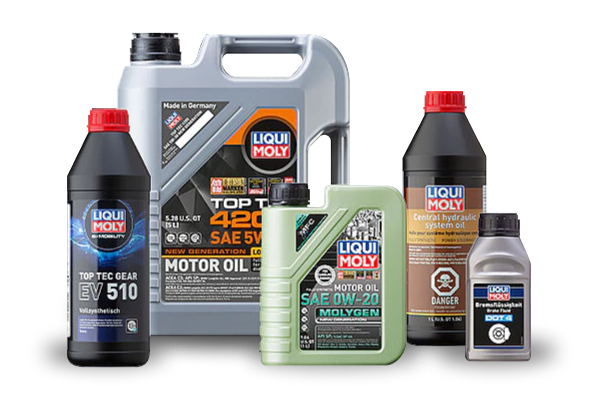
Using high-quality OEM parts and premium oil is essential for maintaining your Audi’s performance and reliability. OEM parts are designed to fit and function perfectly with your vehicle, reducing the risk of premature wear or failure. Similarly, using the right grade of oil recommended by Audi ensures optimal lubrication and engine protection. Investing in quality products may cost more upfront but helps avoid costly repairs down the road.
If you notice signs of an oil leak, such as puddles, smells, or dashboard warnings, it’s crucial to address the issue promptly. Delaying repairs can lead to worsening leaks, engine damage, or expensive fixes in the future. Early intervention not only resolves the immediate problem but also prevents related complications, like damaged components or oil contamination. Taking quick action ensures your Audi remains in top condition and avoids unnecessary downtime.
An oil leak in your Audi engine is not just a minor inconvenience; it’s a problem that requires prompt attention. By understanding the causes, symptoms, and solutions, you can take the necessary steps to keep your vehicle in excellent condition.
If you’re in need of expert Audi repair in Oceanside, trust the professionals at Oceanside Motorsports. Our experienced Audi mechanics are here to help you get back on the road with confidence. Contact us today to schedule an inspection or repair!


LIFETIME OIL CHANGE MEMBERSHIP INCLUDES UP TO 3 OIL CHANGES PER YEAR – FOREVER. BUY THE PACKAGE AND NEVER PAY FOR ANOTHER OIL CHANGE AGAIN!