
343 Airport Rd.
760-721-5500
There’s nothing quite like the driving experience of a BMW, powerful, smooth, and refined. But if you’ve started noticing a sharp, acrid smell like burning oil after driving, it can quickly put a damper on that ultimate driving experience. This issue isn’t just annoying, it’s a sign something under the hood needs attention.
At Oceanside Motorsports, your go-to destination for professional BMW repair, we see this problem regularly. Here’s what might be causing the burning oil smell, why it matters, and what you should do about it.
First, let’s be clear, burning oil has a distinct smell. It’s thicker, smokier, and more pungent than other automotive odors. Some drivers describe it as a combination of smoke and gasoline, while others say it smells like hot asphalt or a barbecue gone wrong. If you’ve caught that scent near your BMW after driving, it’s worth investigating.
BMW engines are precision-engineered, but that doesn’t make them immune to wear and tear. Here are some common causes of a burning oil smell in your BMW!
A leaking valve cover gasket is one of the most common reasons your BMW smells like burning oil. This gasket seals the top of the engine and prevents oil from escaping. Over time, heat and age can cause it to crack or harden. When oil leaks onto hot components like the exhaust manifold, it burns off and produces a strong odor.
The oil filter housing gasket connects the filter to the engine and is a frequent leak point in BMW engines. When this gasket fails, oil can seep onto hot engine parts, causing a noticeable burning smell. This issue is particularly common in BMW N52 and N54 engines. If left unchecked, it can lead to low oil levels and engine damage.
Burning oil smells can sometimes result from a simple spill during an oil change. If oil drips onto the engine, it will burn off over a few drives and create a temporary odor. This situation is usually harmless if the smell goes away quickly. However, if the odor continues, it may indicate a more serious leak.
The PCV system manages engine pressure and recycles oil vapors into the intake. If the PCV valve fails, vapors can leak into the engine bay, leading to a strong oil smell. You may also notice poor performance, rough idling, or increased oil consumption. Addressing PCV issues early helps prevent more severe engine problems.
Older or high-mileage BMWs often develop oil pan gasket leaks. This gasket seals the bottom of the engine and can wear out over time. When it leaks, oil may drip directly onto hot surfaces and create a burning smell. Regular inspections can help detect this issue before it leads to bigger repairs.
BMWs with turbochargers are prone to oil leaks at the turbo unit itself. Internal or external turbo oil leaks can burn off quickly, producing a burnt oil smell during or after driving. You might also see smoke from the exhaust or notice reduced performance. Turbo issues should be inspected promptly to avoid costly damage.
The best way to avoid oil leaks and burning smells is to stay ahead of maintenance. Here are a few tips from Oceanside Motorsports!
Keeping up with your BMW’s maintenance schedule is essential to prevent engine oil leaks and burning smells. Routine services help catch early signs of gasket wear, oil seepage, or PCV system issues. Timely maintenance also keeps your engine running at peak efficiency. Always refer to your owner’s manual for the correct intervals.
Using the right oil is critical for your BMW’s performance and longevity. Always choose high-quality synthetic oil that meets BMW’s specifications. Low-grade oils can break down faster and increase the risk of leaks or deposits. Proper lubrication also helps prevent overheating and internal component wear.
As your BMW approaches 80,000 to 100,000 miles, gaskets and seals naturally begin to degrade. Replacing them proactively can prevent oil leaks before they become serious. This includes the valve cover gasket, oil filter housing gasket, and oil pan gasket. Early replacement helps you avoid costly engine repairs and burning oil odors.
Regular inspections allow small issues to be caught before they escalate. A trained BMW specialist can identify oil residue, worn components, or potential PCV problems. These inspections are especially important for high-mileage vehicles. Staying proactive keeps your BMW reliable and free of burning oil smells.
Burning oil smells aren’t just unpleasant, they’re a warning sign. At Oceanside Motorsports, we make it easy to get to the bottom of the problem. With decades of combined experience, specialized tools, and a passion for German engineering, we’re your local experts for all things BMW repair.
Don’t wait for a minor leak to become a major repair. Contact Oceanside Motorsports today and let our team take care of your BMW the way it deserves.



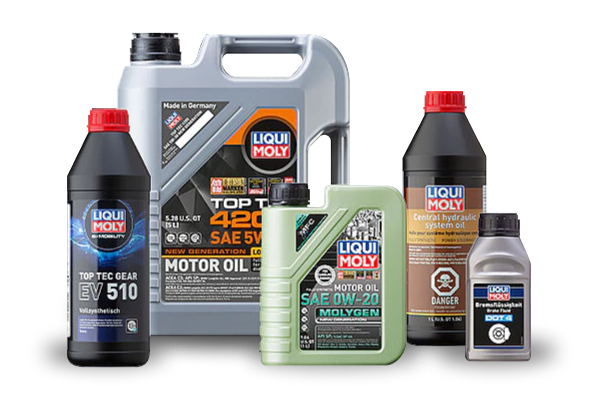
LIFETIME OIL CHANGE MEMBERSHIP INCLUDES UP TO 3 OIL CHANGES PER YEAR – FOREVER. BUY THE PACKAGE AND NEVER PAY FOR ANOTHER OIL CHANGE AGAIN!