
343 Airport Rd.
760-721-5500
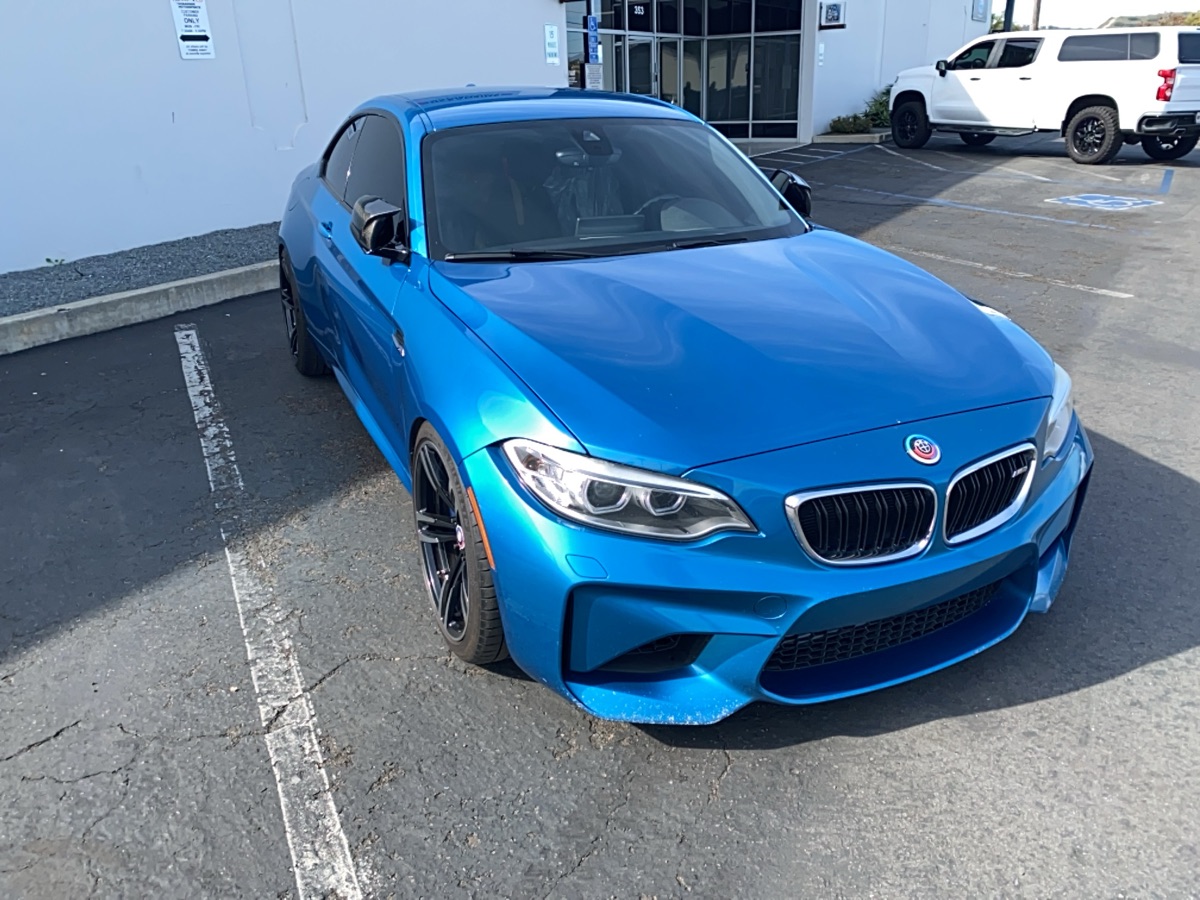
Owning a BMW M3 is often a thrilling experience characterized by its blend of high performance, precise handling, and luxurious appeal. However, like any finely tuned machine, even the best-engineered cars can encounter issues over time. One of the frequent concerns that BMW M3 owners face is engine noise, which can vary from subtle murmurs to more pronounced sounds that may indicate underlying problems.
Understanding the potential causes behind these noises is crucial for maintaining the optimal performance and longevity of your prized vehicle. Here at Oceanside Motorsports, we can find out what’s wrong with your BMW with our diagnostic testing to ensure you’re only spending money on what needs to be fixed.
The valve train in the BMW M3 manages the crucial task of regulating the intake and exhaust valves’ operation. If you notice a ticking or tapping noise emanating from the top of the engine, it could signify issues within the valve train system. Common causes include worn lifters, camshaft wear due to high mileage, or insufficient lubrication, leading to increased friction and noise.
A distinctive knocking noise during acceleration in your BMW M3 might indicate rod knock, a serious issue caused by worn-out rod bearings. These bearings connect the piston rods to the crankshaft and can wear over time due to factors like poor lubrication or high mileage. Ignoring rod knock can lead to catastrophic engine failure if the bearings fail completely, causing the rods to impact the crankshaft.
Piston slap manifests as a distinct slapping noise from the engine, especially noticeable when the engine is cold. It occurs when there is excessive clearance between the piston and the cylinder wall, typically due to thermal expansion differences at startup. While piston slap is more common in cold climates and usually diminishes as the engine warms up, prolonged exposure can accelerate piston and cylinder wear. Regular maintenance and using recommended oil viscosities can help minimize piston slap and preserve engine performance over time.
The timing chain in the BMW M3 synchronizes the rotation of the crankshaft and camshaft, ensuring precise valve timing for optimal engine performance. A rattling noise, particularly noticeable during startup, may indicate a loose or worn timing chain. This issue can arise from chain stretch over time or insufficient tension due to worn tensioners or guides. Addressing timing chain noise promptly is crucial to prevent potential timing issues that can lead to engine misfires or even severe internal damage.
A ticking noise that correlates with engine RPMs in your BMW M3 might signal an exhaust manifold leak. This occurs when there is a crack in the manifold or a failure in the gasket seals, allowing exhaust gasses to escape prematurely. Besides the audible noise, symptoms may include decreased engine performance or the smell of exhaust fumes in the cabin.
The accessory drive belt, or serpentine belt, powers vital engine components such as the alternator, water pump, and air conditioning compressor in the BMW M3. A squealing noise during engine operation typically indicates a loose or worn belt, slipping against the pulleys. Causes can range from belt wear due to age or insufficient tension.
Modern fuel injectors in the BMW M3 operate at high pressure and can emit a slight clicking noise as they open and close to deliver fuel into the engine cylinders. This noise is generally considered normal and indicates proper injector function. However, if the clicking noise becomes excessively loud or irregular, it might suggest issues such as clogging, internal wear, or electronic faults within the injector system.
Performing regular oil changes is crucial for maintaining the health and longevity of your BMW M3’s engine. High-quality synthetic oil helps lubricate engine components more effectively than conventional oils, reducing friction and wear. Following the manufacturer’s recommended oil change intervals ensures that the engine receives clean oil at the right times, preventing sludge buildup and maintaining optimal performance
Proper cooling system maintenance is essential to prevent overheating, which can lead to costly engine damage. Regularly checking coolant levels and inspecting components like the radiator, hoses, and water pump helps identify leaks or wear that could compromise cooling efficiency. Flushing and replacing coolant as recommended by the manufacturer prevents corrosion and ensures the coolant maintains its heat dissipation properties.
Adhering to the manufacturer’s recommended maintenance schedule involves periodic inspections by qualified technicians familiar with BMW vehicles. These inspections are designed to catch potential issues early before they escalate into more significant problems. Technicians can assess vital components, such as brakes, suspension, and engine systems, for signs of wear or malfunction.
Opting for Original Equipment Manufacturer (OEM) parts when replacing components ensures compatibility and quality that meets the rigorous standards set by BMW. OEM parts are designed specifically for your BMW M3, ensuring proper fitment and functionality. They provide the same performance and durability as the parts originally installed in the vehicle, contributing to reliable operation and preserving its resale value. While aftermarket parts may be cheaper, they may not offer the same level of quality or performance as OEM parts, potentially compromising the performance and longevity of your BMW M3.
Paying attention to dashboard warning lights, such as the check engine light or other indicators, is crucial for identifying potential issues early on. Ignoring warning lights can lead to further damage and more expensive repairs. If a warning light appears, promptly schedule an inspection with a qualified technician to diagnose the problem and take necessary corrective action.
Adopting good driving habits can significantly contribute to the longevity and health of your BMW M3’s engine. Avoiding aggressive acceleration and sudden braking reduces stress on engine components, transmission, and braking system. Allowing the engine to warm up before driving helps distribute oil throughout the engine, reducing wear on cold starts. By practicing smooth and moderate driving techniques, you minimize wear and tear on vital components, ultimately extending the lifespan of your BMW M3 and enhancing its overall reliability and performance.
For over 14 years, Oceanside Motorsports has provided Oceanside with the absolute BEST customer experience when your car needs work. We go above and beyond to make sure your experience is enjoyable and we ensure top tier repairs with an exceptional warranty. We service all makes and models with a specialty focus on European cars like BMW, Mini, VW, Audi, and Mercedes. Contact us today to schedule an appointment, we can’t wait to meet you!


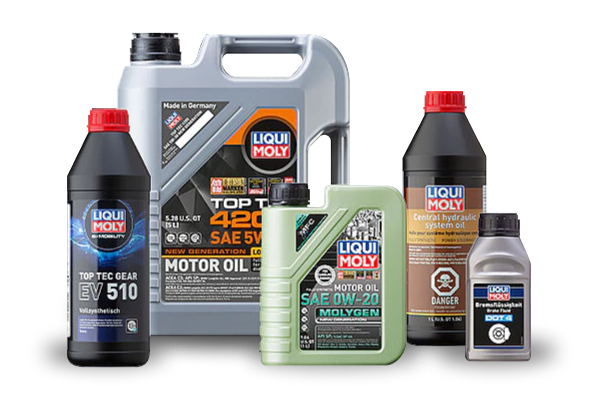
LIFETIME OIL CHANGE MEMBERSHIP INCLUDES UP TO 3 OIL CHANGES PER YEAR – FOREVER. BUY THE PACKAGE AND NEVER PAY FOR ANOTHER OIL CHANGE AGAIN!