
343 Airport Rd.
760-721-5500
Experiencing a stalling BMW can be frustrating and even dangerous, especially when it happens unexpectedly. Stalling can be caused by various issues, some minor and others more serious.
In this blog, we’ll explore common reasons why your BMW might be stalling, how to diagnose the problem, and what steps you can take to fix it. Here at Oceanside Motorsports, we can find out what’s wrong with your BMW with our diagnostic testing to ensure you’re only spending money on what needs to be fixed.
Inadequate fuel delivery is a leading cause of engine stalling in BMWs. When the engine doesn’t receive enough fuel, it can’t maintain proper combustion, which can lead to frequent stalling. This issue may arise from a clogged fuel filter, a failing fuel pump, or dirty fuel injectors that disrupt the smooth flow of fuel to the engine. Addressing these components through regular maintenance is key to preventing stalling and ensuring reliable engine performance.
For optimal performance, your BMW requires a precise balance of air and fuel. Issues with the air intake system, such as a dirty air filter, a malfunctioning mass air flow (MAF) sensor, or a leak in the intake manifold, can disrupt this balance. When the air-fuel mixture is compromised, the engine may struggle to maintain operation, leading to stalling.
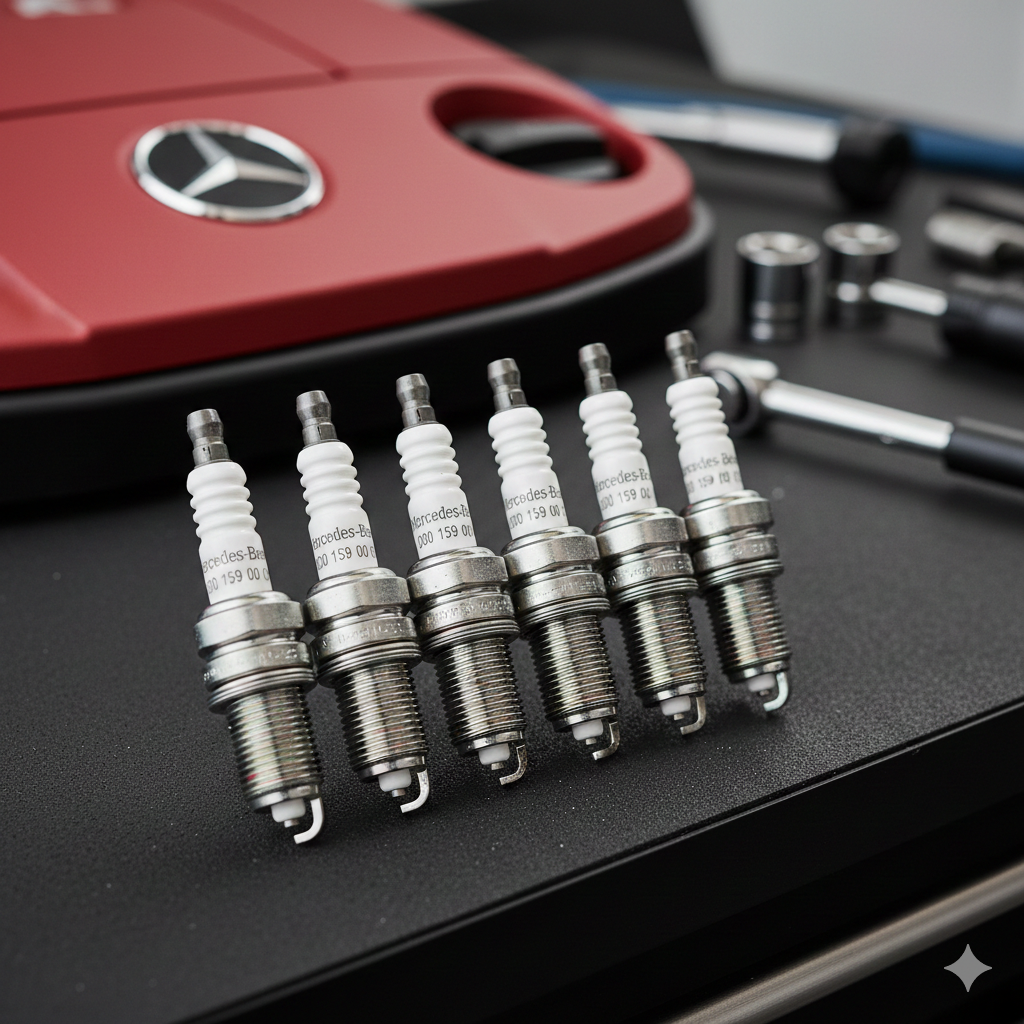
The ignition system is crucial for starting and maintaining engine operation. Faulty components like the ignition coil, spark plugs, or the crankshaft position sensor can cause the engine to misfire or lose power, resulting in stalling. These issues are particularly noticeable during acceleration or under heavy load.
BMWs rely on complex electrical systems to control various engine functions, and any disruptions in this system can lead to stalling. Problems such as a failing battery, a bad alternator, or loose wiring can interrupt the power supply needed to keep the engine running. These electrical issues can be intermittent, making them difficult to diagnose, but regular inspections can help prevent stalling due to electrical failures.
Vacuum leaks in the engine, such as those in the intake manifold, vacuum hoses, or gaskets, can cause the engine to run lean, meaning there’s too much air and not enough fuel. This imbalance can lead to stalling, especially at idle or low speeds. Vacuum leaks can also cause rough idling and increased fuel consumption. Repairing any leaks promptly is essential to maintaining engine stability and preventing stalling.
BMW engines rely on various sensors to monitor and adjust critical parameters like fuel delivery, ignition timing, and air intake. If a sensor fails, it can send incorrect signals to the engine control unit, leading to improper engine operation and stalling. Common sensor issues include failures of the oxygen sensor or the throttle position sensor. Diagnosing and replacing faulty sensors is crucial for maintaining engine performance and preventing unexpected stalling.
Diagnosing the cause of stalling in your BMW requires a systematic approach. Here are some steps you can take.
Use an OBD-II scanner to check for any stored Diagnostic Trouble Codes (DTCs). These codes can provide valuable clues about the underlying issue, helping to pinpoint the exact cause of the problem.
Check the fuel filter, fuel pump, and fuel injectors for signs of wear or damage. If you suspect a fuel delivery issue, consider having a fuel pressure test performed to ensure proper fuel flow.
Inspect the air filter, MAF sensor, and intake manifold for dirt, leaks, or damage. Clean or replace any components as needed to maintain optimal air-fuel balance.
Check the ignition coils, spark plugs, and crankshaft position sensor for signs of wear or failure. Replace any faulty components to prevent misfires and stalling.
Inspect the intake manifold, vacuum hoses, and gaskets for any leaks. Use a smoke test or a vacuum gauge to identify and locate potential leaks.
Test the battery, alternator, and wiring for any issues that could disrupt engine operation. Ensure that all connections are secure and free of corrosion to maintain proper electrical function.
Use a multimeter to test the oxygen sensor, throttle position sensor (TPS), and other critical sensors for proper operation. Replace any faulty sensors to ensure accurate engine monitoring and prevent stalling.
Always use high-quality fuel that meets BMW’s specifications to ensure optimal engine performance. Poor-quality fuel can lead to issues like engine knock, misfires, and stalling, as it may not burn as cleanly or efficiently as premium fuel. Over time, using subpar fuel can also cause deposits to form in the fuel system, further degrading performance.
Frequent short trips can prevent your BMW’s engine from reaching its optimal operating temperature, leading to carbon buildup and reduced performance. This buildup can cause the engine to run inefficiently, increasing the risk of stalling. Whenever possible, try to combine errands into longer trips to allow the engine to fully warm up and burn off any accumulated deposits.
Stalling issues can sometimes be linked to manufacturer defects that are addressed through recalls or service bulletins. It’s important to stay informed about any recalls or updates from BMW to ensure that your vehicle receives necessary repairs or adjustments. Regularly checking for recalls and scheduling service appointments can help you avoid potential stalling problems caused by known defects. Keeping your BMW up to date with these repairs is essential for maintaining its reliability and safety.
Aggressive driving, such as rapid acceleration and hard braking, can place unnecessary stress on your BMW’s engine and other components. This added strain can increase the likelihood of stalling, especially in older vehicles. By practicing smooth and controlled driving habits, you can reduce wear and tear on your engine and help maintain its performance. Driving smoothly not only decreases the risk of stalling but also contributes to overall vehicle longevity and fuel efficiency.
For over 14 years, Oceanside Motorsports has provided Oceanside with the absolute BEST customer experience when your car needs work. We go above and beyond to make sure your experience is enjoyable and we ensure top tier repairs with an exceptional warranty. We service all makes and models with a specialty focus on European cars like BMW, Mini, VW, Audi, and Mercedes. Contact us today to schedule an appointment, we can’t wait to meet you!

LIFETIME OIL CHANGE MEMBERSHIP INCLUDES UP TO 3 OIL CHANGES PER YEAR – FOREVER. BUY THE PACKAGE AND NEVER PAY FOR ANOTHER OIL CHANGE AGAIN!