

343 Airport Rd.
760-721-5500
If you own an Audi Q5 and have started to notice a rattling noise during cold starts, you’re not alone. This issue is more common than many drivers realize, especially in models equipped with the 2.0T or 3.0T engines. That unmistakable rattle when you start the car in the morning or after it’s been sitting overnight can be alarming. It’s one of the early warning signs that your timing chain system may be wearing out.
At Oceanside Motorsports, we’ve seen this timing chain rattle issue in dozens of Audi Q5s brought in for Audi repair. It’s a problem that can start subtly but lead to severe engine damage if ignored. So what causes it, and more importantly, what can you do about it?
The timing chain is one of the most critical components in your engine. It synchronizes the rotation of the crankshaft and camshaft so your engine’s valves open and close at the proper times during each cylinder’s intake and exhaust strokes. In simpler terms, it keeps your engine’s rhythm in check.
Unlike timing belts, which are made of rubber and require regular replacement, timing chains are metal and designed to last much longer, often the life of the engine. However, that doesn’t mean they’re immune to wear and tear.
A worn timing chain tensioner is a common cause of rattle during cold starts. The tensioner is designed to maintain the correct pressure on the timing chain, preventing it from becoming loose. When the engine is cold and oil pressure is low, a failing tensioner may not engage properly. This lack of tension allows the chain to slap against internal engine components, creating a noticeable rattling sound. Left unaddressed, this issue can accelerate wear and lead to more serious engine problems requiring costly Audi repair.
Over time, the timing chain can stretch due to age, mileage, and exposure to heat and mechanical stress. A stretched chain cannot maintain proper alignment, especially when the engine is cold and oil hasn’t fully circulated. The resulting slack causes the chain to make noise until oil pressure increases and tension is restored. In many cases, this early rattle is the first sign of a more serious chain issue.
The timing chain rides along guides or rails made of plastic or metal, which help maintain proper alignment. In many Audi engines, these guides are made of durable plastic that wears down over time due to heat and friction. As the guides degrade, they lose the ability to hold the chain in place correctly. This allows the chain to move erratically and make contact with nearby components, resulting in a cold-start rattle. Replacing worn guides is critical to restoring smooth operation and avoiding expensive engine repairs.
Audi engines depend heavily on oil pressure to activate the hydraulic timing chain tensioner. If the oil pressure builds slowly on startup, the tensioner may not function immediately. This momentary delay allows the chain to become loose, causing a rattling noise until the pressure stabilizes. Thick oil, clogged filters, or internal sludge buildup can contribute to this delay. Maintaining proper oil change intervals and using manufacturer-approved oil helps prevent these pressure issues and supports long-term engine health.
This issue is most prevalent in Audi Q5s built between 2009 and 2017 with the 2.0L TFSI and 3.0L TFSI engines. Audi made design changes in later models, including updated tensioners and improved guides to mitigate these problems. However, if you’re driving one of the earlier Q5s and haven’t had the timing components replaced, your vehicle may be at risk.
Besides cold start rattling, here are other signs your timing chain system may be failing!
A check engine light is often one of the first signs of a timing chain issue. Diagnostic trouble codes related to camshaft and crankshaft correlation may point to chain stretch or misalignment. These codes indicate the timing components are no longer synchronized, which can lead to engine performance problems. Prompt diagnosis is essential to prevent further damage and ensure proper Audi repair.
When the timing chain loses proper tension, the engine’s timing can shift slightly. This causes the engine to idle roughly, hesitate, or misfire during acceleration. These symptoms may start intermittently but can worsen over time if ignored. Accurate timing is crucial for smooth engine operation and fuel combustion.
Oil sludge buildup or dirty oil can reduce the effectiveness of the hydraulic timing chain tensioner. When oil flow is restricted, pressure drops, and the tensioner can’t maintain chain tension properly. This can lead to slack in the chain, especially during cold starts. Regular oil changes are key to maintaining proper oil pressure and timing system performance.
An out-of-sync engine timing system forces the engine to work harder to produce the same output. This inefficiency results in increased fuel consumption and reduced mileage. If left unchecked, timing chain issues can significantly affect your vehicle’s fuel economy. Addressing timing problems promptly ensures better performance and lower fuel costs.
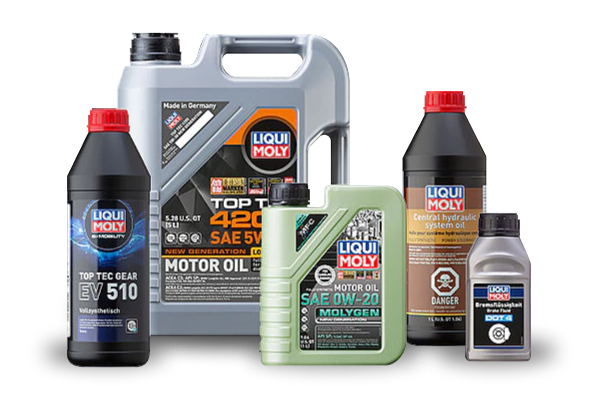
Always use high-quality, manufacturer-approved synthetic oil in your Audi. Low-grade or aging oil can compromise oil pressure, which directly affects the timing chain tensioner. Proper lubrication is essential for maintaining timing chain performance, especially during cold starts. Investing in the right oil helps extend engine life and avoid costly Audi repair.
While Audi may recommend extended oil change intervals, changing your oil every 5,000 to 7,000 miles is safer. Frequent oil changes reduce the risk of sludge buildup and maintain optimal oil pressure. This is especially important for older engines where components are more prone to wear. Clean oil supports smoother tensioner operation and quieter startups.
Unusual engine noise during cold starts is a potential warning sign of timing chain problems. If your Audi Q5 starts to sound different, especially with a rattling noise, it’s important not to ignore it. Early detection can help prevent major engine damage. Listening to your engine can save you from expensive and avoidable repairs.
Routine inspections are essential for monitoring the condition of your timing chain and related components. Certified technicians can check for early signs of chain wear, guide degradation, or oil pressure issues. These inspections are especially valuable as your vehicle accumulates mileage. Staying ahead of problems ensures better reliability and long-term engine health.
Timing chain problems on cold start are a red flag you shouldn’t ignore. At Oceanside Motorsports, we take pride in being the go-to shop for Audi repair and service. Whether you’re experiencing a cold start rattle, engine misfire, or warning lights on the dash, our ASE-certified technicians will help you get to the root of the problem quickly and honestly.
We specialize in German vehicles, and we understand what makes Audi engines tick. Book your inspection today and drive away with confidence, knowing your Audi is in the hands of experts who care.



LIFETIME OIL CHANGE MEMBERSHIP INCLUDES UP TO 3 OIL CHANGES PER YEAR – FOREVER. BUY THE PACKAGE AND NEVER PAY FOR ANOTHER OIL CHANGE AGAIN!