
343 Airport Rd.
760-721-5500
The timing belt is one of the most crucial components of your Audi’s engine. It ensures that the engine’s valves open and close in sync with the movement of the pistons, allowing for optimal engine performance.
Failure to replace the timing belt on time can lead to severe engine damage and costly repairs. In this guide, we’ll cover when to replace the Audi timing belt and what you should know to maintain your vehicle effectively. Here at Oceanside Motorsports, we can find out what’s wrong with your Audi with our diagnostic testing to ensure you’re only spending money on what needs to be fixed.
The timing belt is a reinforced rubber band that connects the crankshaft to the camshaft. It plays a vital role in keeping your engine running smoothly. In Audis, the timing belt is designed to withstand high levels of stress and heat, but it is not immune to wear and tear over time.
Before diving into when to replace your timing belt, it’s essential to recognize the signs of wear.
If you’re hearing high-pitched whining or squeaking noises from the engine, it might be time to check your timing belt. In German-engineered vehicles like Audi, these sounds often signal wear or misalignment. Ignoring these noises can lead to further damage, so it’s best to visit a trusted German mechanic like Oceanside Motorsports for inspection.
A worn-out timing belt can cause engine misfires, affecting performance. In precision-built cars like Audi, this issue can result in decreased power and fuel efficiency. A mechanic will know how critical timing is for your engine, and misfires can indicate timing belt failure. It’s important to schedule an Audi repair to avoid potential engine damage.
Oil leaks near the timing belt cover are a common sign of trouble. This issue is especially dangerous for Audi vehicles, as oil on the belt can cause it to slip or degrade quickly. A mechanic familiar with Audi repair will check for oil leaks and assess the condition of the timing belt. Addressing leaks early can save you from costly engine repairs down the road.
When your check engine light comes on, it could indicate timing belt issues, among other engine problems. German mechanics specializing in Audi repair like Oceanside Motorsports can quickly run diagnostics to pinpoint the problem. A failing timing belt may trigger the light, and it’s important not to ignore this warning. Seeking expert Audi repair can prevent more serious engine failures.
Inspecting the timing belt for cracks, fraying, or glazing is a good preventative measure. If you can access it, visible signs of wear should prompt a visit to a German mechanic for a more thorough inspection. Audi vehicles, with their precision engineering, require specific attention to timing belts. A qualified Audi repair mechanic like Oceanside Motorsports will determine if replacement is necessary before major problems arise.
Audi recommends timing belt replacement at specific intervals to avoid costly engine failures. Typically, Audi models require a timing belt replacement every 60,000 to 100,000 miles, but it’s crucial to check your owner’s manual for the exact recommendation for your model. Along with the timing belt, it’s a good idea to replace related components like the water pump, tensioners, and pulleys.
These parts often wear out together, and addressing them all at once ensures smoother engine performance. A German mechanic like Oceanside Motorsports specializing in Audi repair can handle this maintenance to prevent future issues. Proactively replacing these parts helps reduce the risk of more expensive repairs down the line.
Several factors can affect the lifespan of your Audi’s timing belt.
The environment in which you drive significantly impacts the lifespan of your Audi’s timing belt. Frequent stop-and-go driving, such as in city traffic, puts more strain on the belt. Short trips where the engine doesn’t reach optimal temperature can also cause additional wear. Extreme weather conditions, whether very hot or cold, add stress to the components. Over time, these factors collectively reduce the belt’s efficiency and durability.
Regular maintenance is key to extending the life of your timing belt. Routine oil changes ensure the engine runs smoothly and prevents sludge buildup, which can affect belt performance. During routine engine checks, mechanics can spot early signs of wear and tear on the belt. A German mechanic like Oceanside Motorsports familiar with Audi models is often the best choice for these inspections. Proactive care can prevent costly breakdowns and extend the belt’s lifespan.
Some Audi models are equipped with timing chains instead of belts. Timing chains are made from metal and tend to last longer than rubber belts. However, they still require proper lubrication and occasional inspections. Over time, even chains can stretch or wear down, leading to performance issues. Regular maintenance will help catch problems early, whether you have a belt or a chain.
Replacing the timing belt on your Audi is a critical maintenance task that can prevent significant engine damage. Audi’s engines rely on precise timing between the crankshaft and camshaft, and a worn-out timing belt can throw off this synchronization, leading to costly repairs or even engine failure.
Ignoring the signs of a failing timing belt, such as ticking noises or engine misfires, could result in catastrophic damage. By staying proactive with timing belt maintenance, you can avoid unexpected breakdowns and keep your Audi performing at its best for years to come.
For over 14 years, Oceanside Motorsports has provided Oceanside with the absolute BEST customer experience when your car needs work. We go above and beyond to make sure your experience is enjoyable and we ensure top tier repairs with an exceptional warranty. We service all makes and models with a specialty focus on European cars like BMW, Mini, VW, Audi, and Mercedes. Contact us today to schedule an appointment, we can’t wait to meet you!



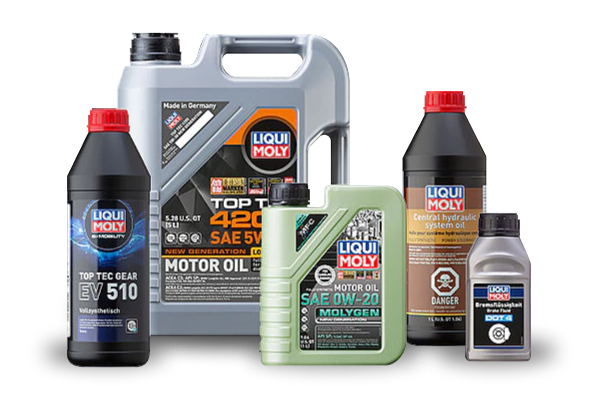
LIFETIME OIL CHANGE MEMBERSHIP INCLUDES UP TO 3 OIL CHANGES PER YEAR – FOREVER. BUY THE PACKAGE AND NEVER PAY FOR ANOTHER OIL CHANGE AGAIN!