
343 Airport Rd.
760-721-5500
BMW’s N26 engine, found in models like the 328i and other vehicles built for the U.S. market, is known for blending efficiency with strong performance. However, one of the more talked-about issues with this engine is timing chain wear. If you’ve owned a BMW with the N26 engine for a few years, you may have heard stories of chains stretching, guides breaking, or worse, the chain snapping entirely. These issues often leave drivers facing expensive BMW repair bills.
At Oceanside Motorsports, we’ve worked with many BMW owners who ran into timing chain problems. In this article, we’ll break down what causes timing chain wear in the N26 engine, the warning signs you should look out for, and how to stay ahead of this problem before it turns into a catastrophic failure.
The timing chain is the backbone of the engine’s synchronization. Its job is to connect the crankshaft and camshaft, ensuring your valves open and close at precisely the right times. If the chain stretches or wears out, the engine loses this synchronization, which can lead to misfires, reduced power, or in severe cases, engine damage.
Unlike a timing belt, which many manufacturers recommend replacing at set intervals, BMW’s timing chain is designed to last the “lifetime” of the engine. In theory, this should mean no replacement is necessary under normal circumstances. But as many BMW owners with N26 engines have discovered, reality doesn’t always align with theory.
One of the most common causes of timing chain wear in the BMW N26 engine is poor oil quality. Factory oil change intervals often stretch to 10,000 miles or more, which may seem convenient but creates long-term risks. The turbocharged N26 runs at higher operating temperatures, placing extra strain on the oil. Once the oil breaks down, it loses its ability to properly lubricate the timing chain and guides, leading to accelerated wear.
The N26 engine relies on a hydraulic tensioner to keep the chain tight during operation. If oil pressure drops or the tensioner begins to fail, the chain can develop slack. This creates a slapping effect against the plastic guides, causing additional friction and stress on the system. Over time, this problem contributes to both chain wear and guide deterioration, especially in high-mileage vehicles.
The N26 runs hotter than many non-turbocharged engines, which increases stress on vital components. Excessive heat speeds up oil breakdown and weakens plastic parts in the timing chain system. Short trips and stop-and-go traffic also make matters worse since the engine oil never fully warms up and contaminants remain. This combination of heat and poor driving conditions accelerates chain wear over time.
Plastic timing chain guides are one of the weakest links in the N26 engine design. As these guides age, they become brittle and prone to cracking under stress. Once pieces break off, they can end up in the oil pan and affect chain alignment. In severe cases, the chain may skip teeth on the sprocket, leading to engine timing issues and potentially catastrophic damage.
High mileage combined with a lack of consistent maintenance makes timing chain problems more likely. While some chains fail early, most issues appear closer to 100,000 miles when oil degradation and component fatigue set in. Engines that rely solely on extended oil change intervals without preventive care are at higher risk. Over time, the neglected wear and tear create conditions for costly timing chain repairs.
Catching timing chain wear early can save you from a costly engine rebuild. Here are some symptoms BMW owners should look out for!
A metallic rattling or grinding noise when starting the engine after it has been sitting is often linked to timing chain problems. This sound usually points to a loose chain or failing plastic guides that are no longer keeping the system tight. Cold starts are especially telling because oil pressure takes a moment to build, leaving the chain unsupported. Ignoring this noise can lead to more serious timing issues and potential engine damage.
When the check engine light comes on with fault codes tied to camshaft timing or misfires, a stretched timing chain may be the cause. The engine’s computer monitors timing closely, and any irregularities will trigger alerts. A failing chain disrupts synchronization between the camshaft and crankshaft, which affects overall performance. Prompt diagnostics are essential to prevent further complications.
An engine that idles roughly or stalls unexpectedly can be suffering from poor timing chain performance. If the chain stretches or the guides wear down, the timing shifts out of alignment. This misalignment disrupts fuel combustion and creates unstable engine behavior. Inconsistent performance at idle should not be ignored, as it often signals deeper mechanical problems.
A stretched timing chain reduces the precision of valve timing, which directly impacts power delivery. Drivers may notice sluggish acceleration or a drop in overall performance, especially with turbocharged engines like the BMW N26. The shift in timing reduces efficiency and prevents the engine from operating at its best. Addressing the issue early helps restore power and avoid major repairs.
While timing chain wear is a known issue in the N26, there are steps you can take to reduce the risk!
One of the most effective ways to extend the life of your timing chain is by changing the oil more often. Sticking to 5,000-mile intervals with high-quality, BMW-approved synthetic oil ensures consistent lubrication. Fresh oil helps reduce friction and heat, both of which accelerate chain wear. Regular oil changes also prevent buildup of sludge and contaminants that can damage engine components.
Routine inspections are key to identifying timing chain problems before they become serious. A BMW specialist can monitor the condition of the chain, tensioner, and guides during scheduled maintenance. Catching issues early can prevent costly repairs and avoid unexpected breakdowns. Preventive care also helps maintain smooth engine performance and reliability.
Strange noises should always be taken seriously when it comes to timing chain health. Rattling, ticking, or grinding sounds may signal that the chain has become loose or the guides are failing. Even small changes in the way your engine sounds can point to early problems. Acting quickly when these noises appear can save time and money in the long run.
Proactive replacement of timing chain guides and the tensioner can prevent catastrophic engine damage. These components often show signs of wear before the chain itself fails. Addressing them early reduces the risk of broken guides, misaligned timing, or chain slippage. Replacing parts before complete failure can save thousands of dollars in major engine repairs.
BMW’s N26 engine delivers a great driving experience, but its timing chain system remains a vulnerable point. Causes of wear range from oil quality and heat to design flaws with the chain guides and tensioner. If left unchecked, timing chain wear can lead to catastrophic damage and some of the most expensive BMW repair bills you’ll ever face.
The good news is that with proactive care, like frequent oil changes, regular inspections, and working with experts at Oceanside Motorsports, you can stay ahead of the problem. Your BMW deserves the best, and by taking these steps, you’ll extend the life of your N26 engine and keep enjoying the performance you love. Schedule an appointment today!

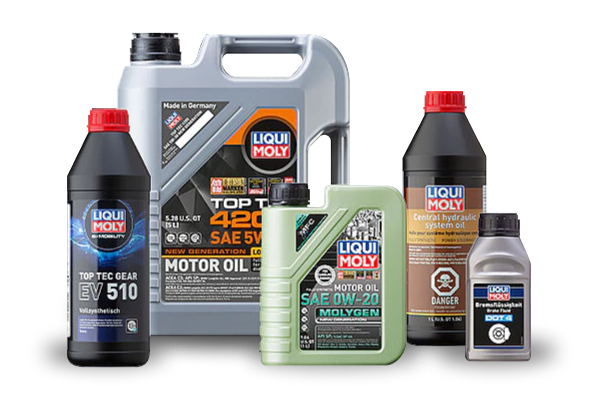
LIFETIME OIL CHANGE MEMBERSHIP INCLUDES UP TO 3 OIL CHANGES PER YEAR – FOREVER. BUY THE PACKAGE AND NEVER PAY FOR ANOTHER OIL CHANGE AGAIN!