
343 Airport Rd.
760-721-5500
BMW’s Variable Nockenwellensteuerung (VANOS) system is a critical component of the brand’s renowned performance and efficiency. Acting as the variable valve timing mechanism in many BMW engines, VANOS optimizes engine responsiveness, torque, and fuel economy by adjusting the camshaft’s position in real time. While the technology is sophisticated and effective, it is not without its faults particularly as a BMW ages.
At Oceanside Motorsports, we specialize in diagnosing and repairing complex BMW systems like VANOS. Located in Oceanside, CA, our certified German mechanics are equipped to catch early signs of VANOS failure and provide long-term solutions that keep your BMW running at its best. Ignoring early symptoms can lead to more expensive repairs and poor engine performance so awareness is key.
One of the earliest signs of VANOS failure is a rough idle during cold starts. The engine may sputter or the RPMs can fluctuate until it warms up. This happens when the VANOS system struggles to adjust valve timing properly at low temperatures. A faulty system disrupts the air-fuel mixture, leading to unstable combustion.
A failing VANOS system often results in reduced torque at lower RPMs. You might notice sluggish acceleration from a stop or delayed throttle response. This performance drop is especially noticeable below 3000 RPM. The issue gradually worsens, making it easy to overlook until power loss becomes significant.
VANOS issues can trigger the check engine light due to timing misalignments. Common error codes include P0011, P0012, and P1520 series faults. This light often appears along with other symptoms like poor idle or power loss. Ignoring the warning can lead to more costly repairs.
Another symptom of VANOS failure is reduced miles per gallon. When valve timing becomes erratic, the engine burns more fuel to compensate. This inefficiency increases emissions and accelerates internal engine wear. Monitoring fuel usage can help detect this issue early.
If your engine hesitates under acceleration or surges at cruising speeds, the VANOS may be to blame. Inconsistent valve timing disrupts power delivery and throttle response. You may also notice RPMs fluctuating under steady load. These irregularities typically point to actuator or oil pressure problems.
Unusual engine noises like ticking or rattling are signs of advancing VANOS failure. These sounds usually come from the front of the engine and may worsen under load. Worn seals or gears can create mechanical noise as they lose proper function. Left unchecked, this can lead to damage in the timing chain system.
The solenoids that control oil flow in the VANOS unit can fail or become clogged. This can cause drivability issues even if seals and gears are intact. Common indicators include poor acceleration, emissions failure, or diagnostic trouble codes. Cleaning or replacing the solenoids often restores proper system operation.
VANOS units rely on clean, high-quality oil for proper operation. Sludge or degraded oil can clog the solenoids and oil passages, leading to timing issues. Always use BMW-approved synthetic oil and adhere to oil change intervals, ideally every 5,000 to 7,500 miles, not the factory-recommended 15,000. Consistent oil maintenance reduces wear on internal VANOS components.
Failing to replace the oil filter allows contaminants to circulate through the system. A clogged or low-quality filter restricts oil flow to the VANOS system, causing performance degradation over time. Use OEM or high-grade aftermarket filters to ensure maximum oil filtration. This simple step plays a major role in preserving VANOS functionality.
Solenoids control the flow of oil that adjusts the timing of the camshafts. Over time, these can become gummed up or fail electrically. Have your technician check solenoid condition during routine service, especially if you notice rough idle, poor acceleration, or fault codes. Early detection can prevent full system failure.
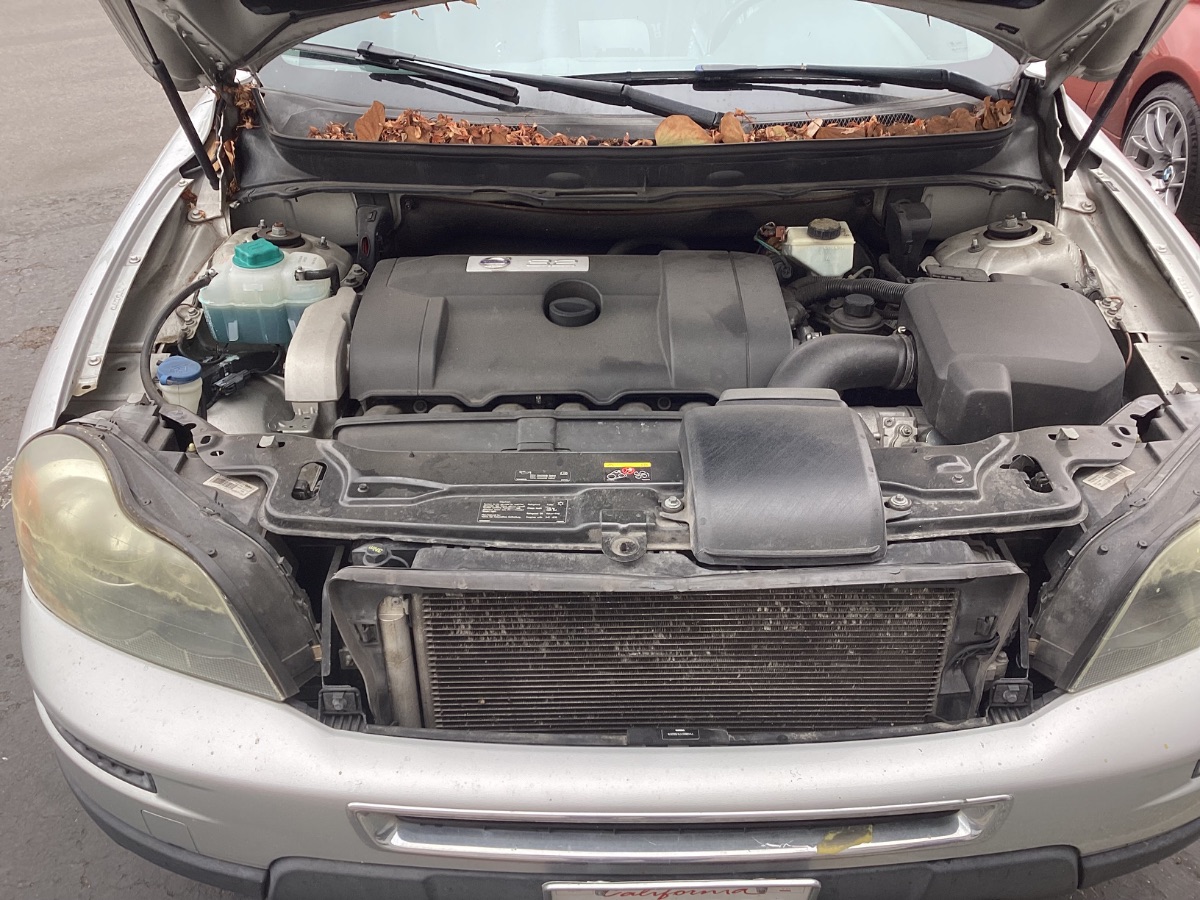
Oil leaks from the VANOS seals or valve cover gaskets are early indicators of trouble. These leaks can cause pressure loss, impacting VANOS operation. Inspect the engine bay for signs of oil seepage and address any leaks immediately. Replacing gaskets early is more cost-effective than dealing with VANOS unit replacement later.
Driving hard when the engine is cold increases stress on the VANOS system. Cold oil is thicker and doesn’t flow easily through the fine passages of the VANOS unit. Allow the engine to reach operating temperature before pushing RPMs. Gentle warm-ups protect the entire valve timing system from unnecessary wear.
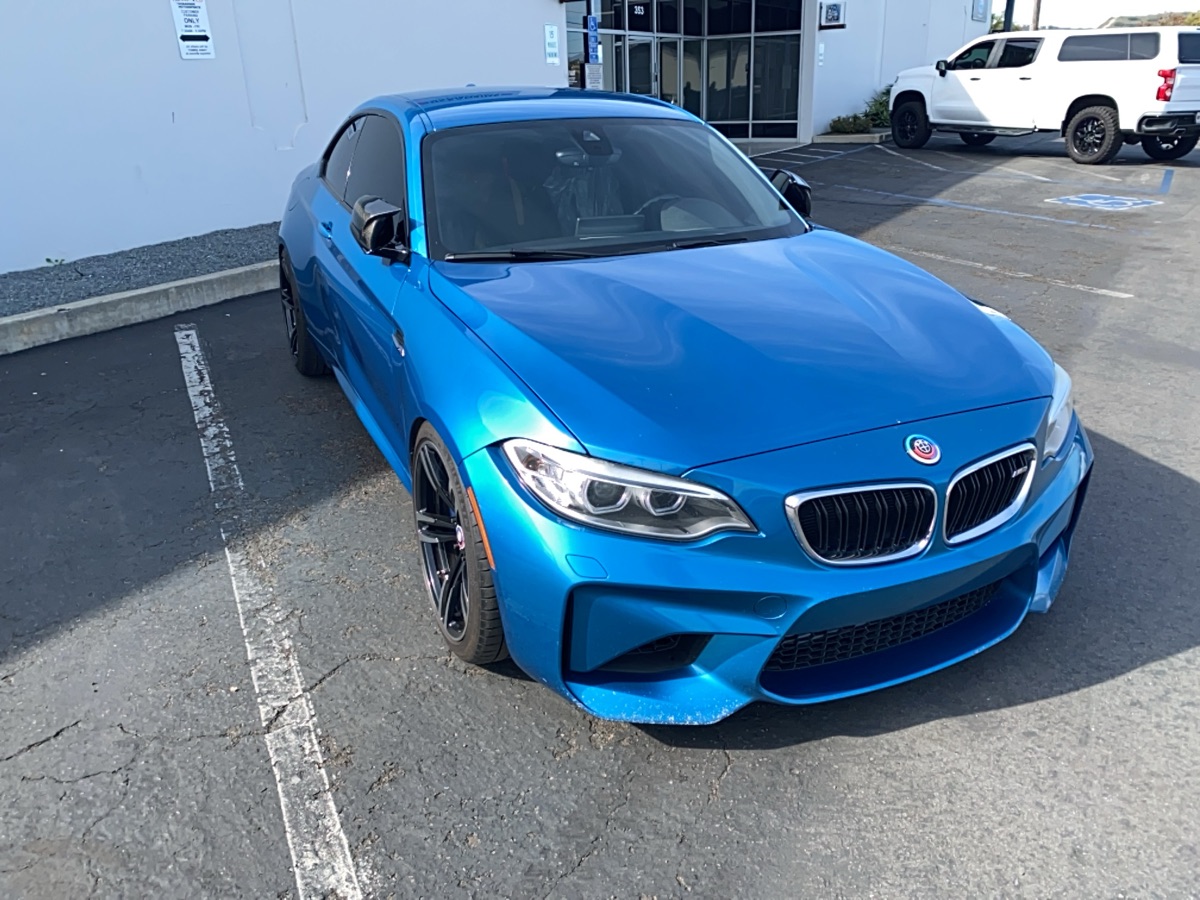
Whether you drive an E46 M3, an F10 5 Series, or a newer G30 platform, our shop has the experience and equipment to get your VANOS system performing like new.
Don’t let VANOS failure compromise your BMW’s performance or longevity. Book an appointment with Oceanside Motorsports, your go-to destination for BMW repair in Oceanside, CA. We’ll help you catch problems early and restore your driving confidence.

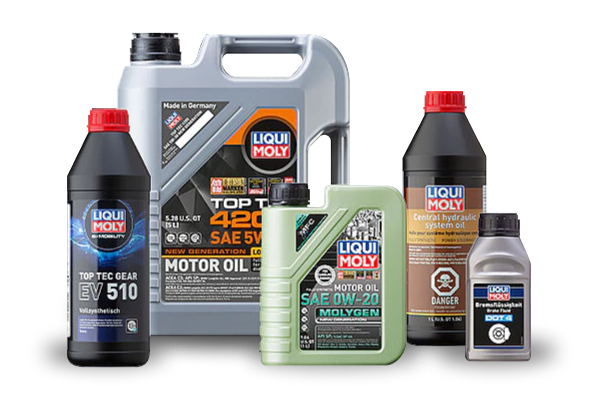
LIFETIME OIL CHANGE MEMBERSHIP INCLUDES UP TO 3 OIL CHANGES PER YEAR – FOREVER. BUY THE PACKAGE AND NEVER PAY FOR ANOTHER OIL CHANGE AGAIN!