
343 Airport Rd.
760-721-5500
When it comes to BMW repair, one of the most common issues drivers face is valve cover and gasket failure. These components play a critical role in sealing engine oil and maintaining proper performance, but over time, they can crack, warp, or leak. Heat exposure, aging materials, and oil pressure are the main reasons these failures occur, often leading to visible oil leaks, burning smells, or even engine misfires if left unchecked.
At Oceanside Motorsports, our expert BMW repair team specializes in diagnosing and fixing valve cover and gasket problems quickly and effectively, helping you protect your engine and keep your BMW running at its best.
The valve cover gasket is a small but essential component that seals the valve cover to the engine cylinder head. Its primary role is to keep engine oil contained while preventing contaminants from entering. Since BMW engines rely heavily on precise lubrication to operate at their best, any failure in this seal can create a domino effect of problems if not addressed quickly. When the gasket wears out or the valve cover itself cracks, oil begins to seep out. This can lead to a range of symptoms, some merely inconvenient and others potentially damaging to your engine if ignored.
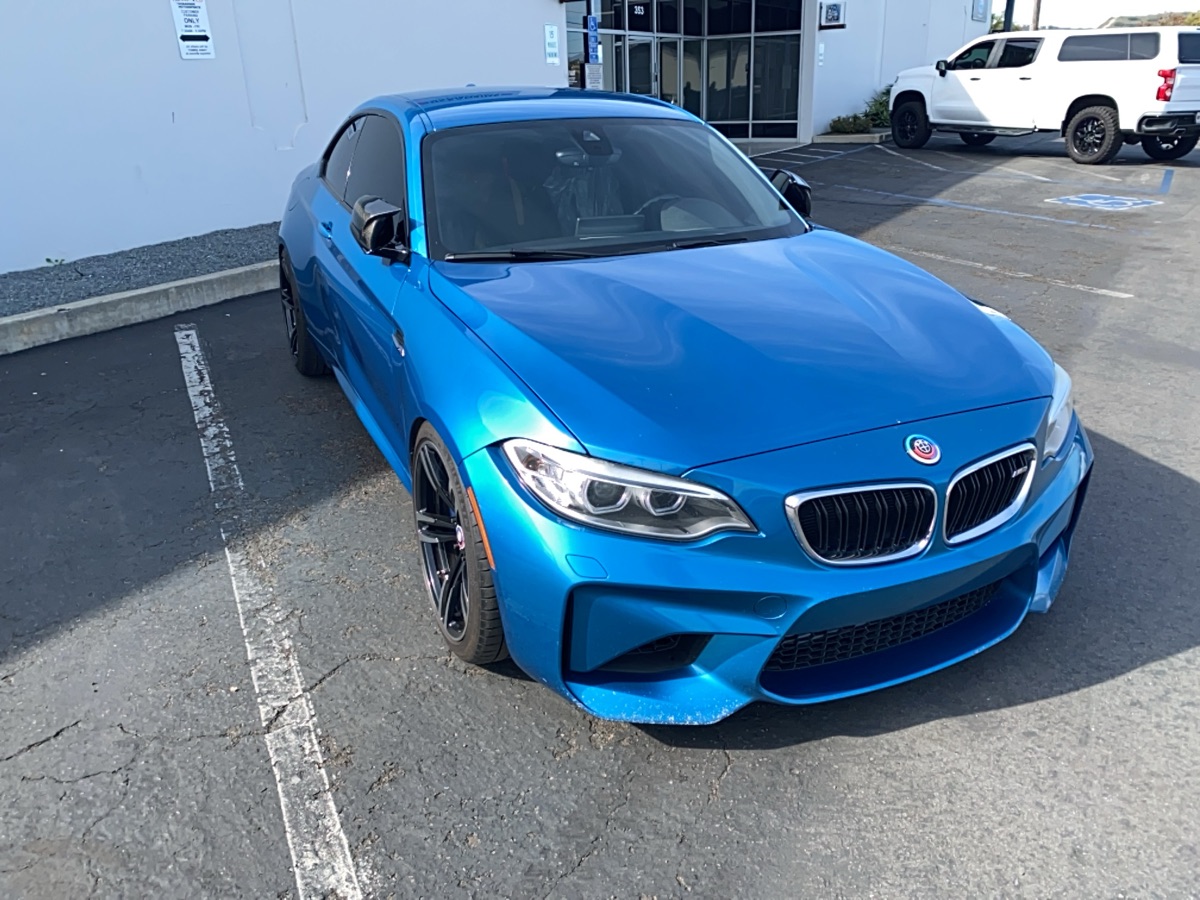
While valve cover gasket failures can happen in any vehicle, they’re particularly common in BMWs due to a combination of heat, engine design, and the materials used. At Oceanside Motorsports, we see this issue frequently in models like the BMW 3 Series, 5 Series, X5, and others. Recognizing it early and scheduling professional BMW repair can save you from costly secondary damage.
BMW engines, especially turbocharged models, are known to run at higher temperatures. This constant heat gradually affects the valve cover gasket’s rubber material. Over time, the rubber hardens and loses its ability to stay flexible. Once this happens, cracks form and oil leaks begin to appear.
Like most car parts, valve cover gaskets have a lifespan. On average, they last between 60,000 and 100,000 miles before showing signs of wear. As the miles add up, the gasket material naturally breaks down. If your BMW falls within this range, the gasket may simply need replacement due to age.
Many modern BMW models come with plastic valve covers instead of metal. These covers expand and contract as the engine heats up and cools down. Over time, this cycle can cause the plastic to warp or even crack. When this happens, the gasket cannot seal properly, and the valve cover itself may need replacing.
BMW engines are built for performance and efficiency. This design often places more pressure on gaskets and seals compared to standard vehicles. The added stress makes these parts wear out faster than you might expect. As a result, keeping up with gasket maintenance is especially important for BMW owners.
If you’re wondering whether your BMW needs this repair, here are the most common warning signs!
When oil leaks from the valve cover, it often drips onto hot engine components. As the oil burns, it creates a strong and unpleasant burning odor. This smell is usually most noticeable after driving. If ignored, it can point to a worsening leak that needs attention.
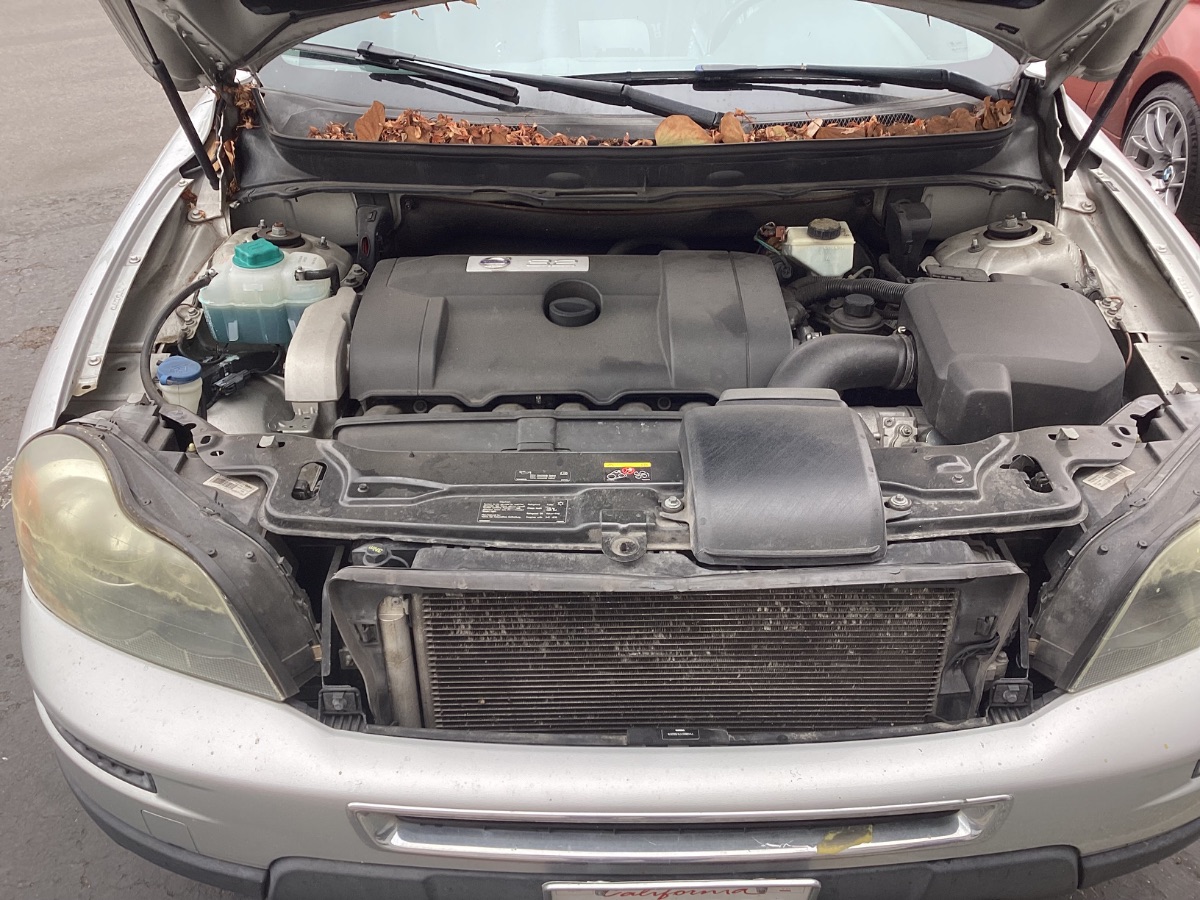
Leaking valve cover gaskets often leave visible signs around the engine bay. You may also notice small oil spots forming under your BMW on the driveway. Over time, these leaks can become larger and messier. Spotting oil early can help prevent further engine damage.
An oil leak can sometimes trigger the check engine light. This happens when leaking oil contaminates sensitive components like ignition coils or spark plugs. The engine computer detects the problem and sets off a warning. If the light appears, it’s important to have the issue inspected quickly.
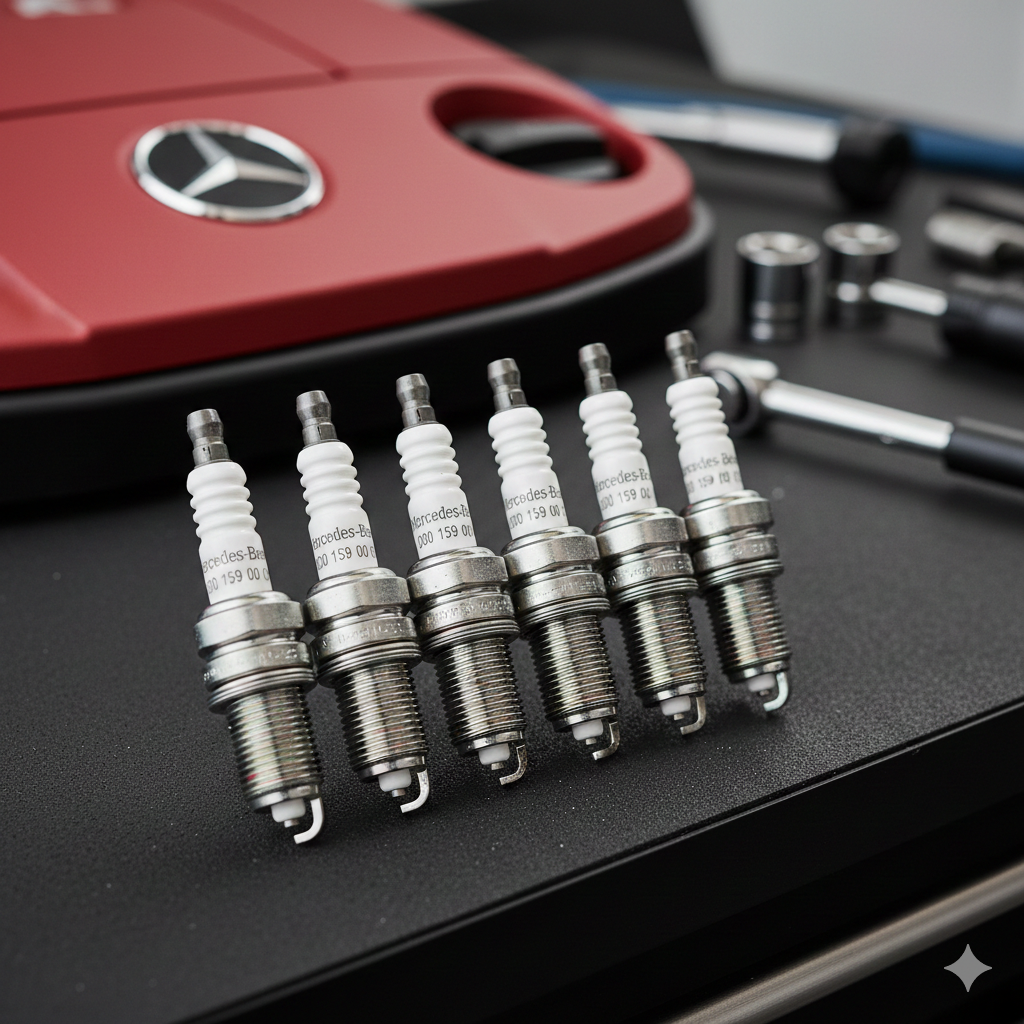
Oil can seep into the spark plug wells when the valve cover gasket fails. This contamination disrupts the spark, causing misfires or rough idling. Drivers may notice reduced performance and poor fuel efficiency. Left untreated, it can damage ignition parts and worsen engine issues.
Severe leaks often allow oil to drip directly onto the exhaust manifold. When the oil burns, it produces visible smoke from under the hood. This can be alarming and should never be ignored. Smoke usually means the leak has progressed and needs immediate repair.
Some BMW owners put off valve cover gasket repairs, assuming that an oil leak is just a small issue. However, delaying this repair can create serious and costly problems over time. Low oil levels from leaks can starve the engine of proper lubrication, leading to premature wear or even complete engine failure. In addition, oil can seep into ignition coils, wiring, and sensors, causing electrical malfunctions that make repairs more expensive. Leaking oil can also drip onto the hot exhaust system, posing a potential fire hazard that puts both the vehicle and driver at risk. What starts as a simple gasket replacement can quickly turn into a much larger and more expensive repair if left unattended.
While you can’t completely avoid wear and tear, you can take steps to extend the life of your BMW’s valve cover gasket!
Fresh, clean oil helps protect your engine and its components. When oil becomes old and dirty, it breaks down and loses its protective qualities. This can speed up gasket wear and lead to leaks sooner than expected. Staying on top of regular oil changes is one of the easiest ways to extend gasket life.
Burning smells, visible oil leaks, or a check engine light should never be ignored. These are early warnings that your valve cover gasket may be failing. Addressing the issue right away can prevent more serious engine problems. Acting early saves both time and money in the long run.
Routine maintenance is the best time to catch small problems before they grow. A trusted BMW mechanic can inspect the valve cover area for signs of leaks. Detecting issues early often means a simpler and less costly repair. Consistent inspections keep your BMW running reliably.
Excessive heat is one of the main reasons gaskets fail. If your BMW shows signs of overheating, it’s important to repair the cooling system immediately. Driving with high engine temperatures puts unnecessary stress on the valve cover gasket. Fixing heat issues early helps protect both the gasket and the entire engine.
Valve cover and gasket failures are one of the most frequent BMW repair needs we see at Oceanside Motorsports. While they’re common, they’re also highly preventable with timely maintenance and expert service. Ignoring this repair can lead to oil leaks, misfires, and even engine damage but addressing it early keeps your BMW running smoothly and safely.
If you suspect your BMW has a valve cover gasket issue, don’t wait until the leak worsens. Contact Oceanside Motorsports today to schedule your inspection and let our experienced technicians restore your car to peak performance.

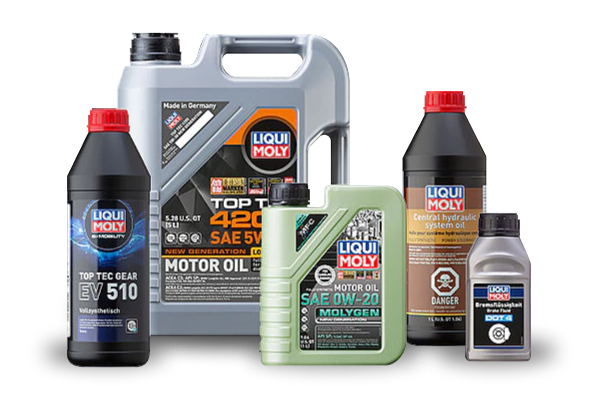
LIFETIME OIL CHANGE MEMBERSHIP INCLUDES UP TO 3 OIL CHANGES PER YEAR – FOREVER. BUY THE PACKAGE AND NEVER PAY FOR ANOTHER OIL CHANGE AGAIN!