
343 Airport Rd.
760-721-5500
Should You Buy a New or Used Car, or
Keep Your Old One?
In the United States, one of the most significant drains on personal wealth is the car sitting in
your driveway. It’s not just the immediate cost of a vehicle—financing, depreciation,
maintenance, and insurance all add up to enormous lifetime expenses. Yet, many of us continue
to trade up to new cars, trying to keep up with societal expectations and indulging in the allure of
that “new car smell.”
This blog dives deep into the true costs of new cars, used cars, and maintaining your current
vehicle. By the end, you’ll have a clear picture of how each choice impacts your wallet, lifestyle,
and long-term financial well-being—and why cars are often the main culprit sabotaging
retirement savings.
The True Cost of Vehicle Ownership: Breaking it Down
When considering whether to buy a new, used, or keep your old car, it’s essential to understand
the “true cost to own” (TCO). Edmunds.com offers a helpful calculator to assess the full
financial impact of owning a vehicle over five years, considering everything from maintenance
and taxes to depreciation and insurance. For this exercise, I’ll walk you through several
examples to illustrate the financial outcomes of each option.
Scenario 1: A New 2024 Kia vs. A 2020 Kia
Let’s first take a Kia, a relatively affordable and reliable car. The numbers below reflect data
from Edmunds’ True Cost to Own tool.
● New 2024 Kia
○ Total Cash Price: $28,170
○ True Cost to Own (TCO) over 5 years: $42,800
○ Average Annual Mileage: 15,000 miles (or 75,000 miles over 5 years)
○ Per-Mile Cost: 80¢ per mile
● Used 2020 Kia (with 75,000 miles)
○ Purchase Price: $18,000
○ TCO over 5 years: $31,200
○ Per-Mile Cost: 62¢ per mile
Key Takeaways:
● The new Kia costs 80¢ per mile, while the used 2020 model costs 62¢ per mile.
● On paper, a used car seems more economical. But it’s important to consider that a 2020
Kia with 75,000 miles already has some wear and tear—so why did the previous owner
sell it? Likely because it needed maintenance.
Scenario 2: A New 2024 Ford F-150 vs. A Used 2020 Model
Next, let’s consider a pickup truck—a Ford F-150. Trucks are especially popular, but they carry
significantly higher costs.
● New 2024 Ford F-150
○ Cash Price: $53,000
○ TCO: $64,000
○ Per-Mile Cost: $1.38 per mile
● Used 2020 Ford F-150
○ Purchase Price: $30,000
○ TCO: $51,888
○ Per-Mile Cost: 93¢ per mile
Key Takeaways:
● The per-mile cost of a new F-150 is a staggering $1.38, compared to 93¢ per mile for a
used one.
● Even the used truck is expensive! These high numbers reflect not just the purchase price
but also insurance, repairs, and depreciation.
The Economics of Keeping Your Current Vehicle
Let’s shift gears and look at the cost of keeping your current vehicle and properly maintaining
it.
● Bringing Your Vehicle Up to Speed
○ Estimated Repairs & Upgrades: $3,000 (e.g., brakes, shocks, fluids, tires)
○ Ongoing Maintenance Cost: 24¢ per mile
If you maintain your old car correctly, the costs drop dramatically. At 24¢ per mile, the savings
are undeniable compared to both new and used options. That means driving the old car would
cost:
● 24¢ per mile x 75,000 miles = $18,000 over 5 years
● In comparison: A new Kia costs $42,800 over the same period.
Why New and Used Cars Destroy Your Retirement Fund
The real financial danger with vehicles lies not just in the sticker price, but in how easily we
justify spending money on them. We convince ourselves that a newer car is safer, more reliable,
or necessary to keep up appearances, but those justifications come with a significant financial
cost.
Here’s why buying a new car or even a relatively new used one harms your finances:
A New Car vs. A House: The Depreciation Trap
One argument often heard is, “You pay for a car to use it, just like you pay for a house to live in.”
But here’s the difference: houses typically appreciate, while cars only depreciate. When you
buy a house, you’re investing in an asset that may grow in value. In contrast, the car you buy
will never increase in value—you’re simply paying for the privilege to drive it.
The Smartest Move: Maintain Your Old Vehicle and Build
Wealth
If you’re serious about financial freedom and a comfortable retirement, the best option is to
keep your current vehicle and maintain it properly. Here’s how:
Final Verdict: The Cost of Freedom
The numbers don’t lie. Keeping your old car and maintaining it is far more economical than
buying new or used. While it might feel rewarding to drive a new car, the long-term cost is
enormous—and that’s money you could be saving for retirement, vacations, or building your
dream home.
In today’s economy, every dollar matters. Don’t let cars be the reason you fall short of your
financial goals. Break free from the endless cycle of new car purchases, maintain the vehicle
you already own, and invest in what truly matters—your future.
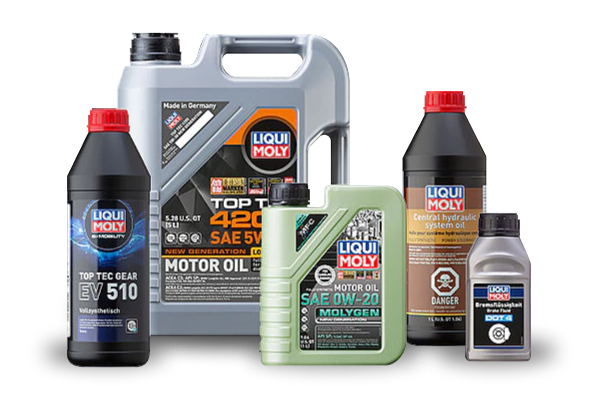
LIFETIME OIL CHANGE MEMBERSHIP INCLUDES UP TO 3 OIL CHANGES PER YEAR – FOREVER. BUY THE PACKAGE AND NEVER PAY FOR ANOTHER OIL CHANGE AGAIN!