

343 Airport Rd.
760-721-5500
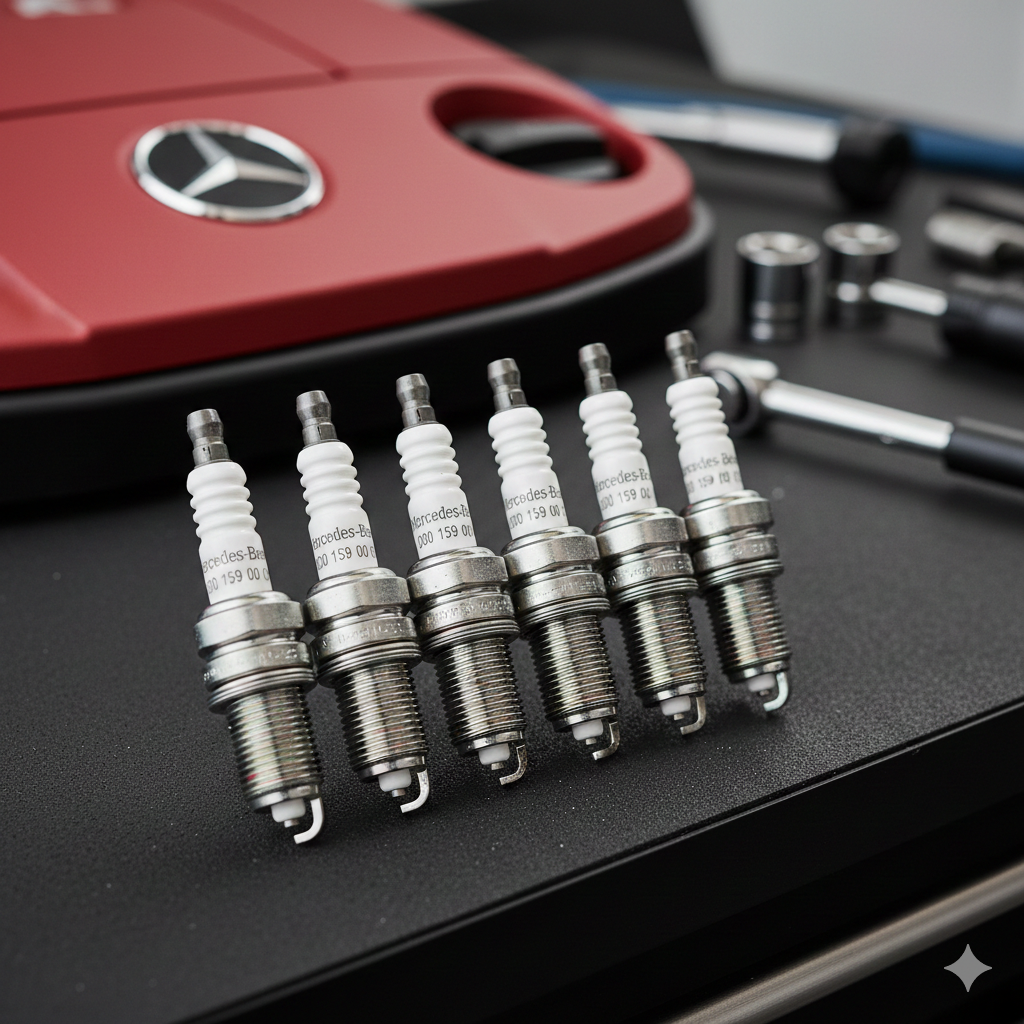
Spark plug service is one of the most important maintenance tasks for long term Mercedes performance. These components ignite the air fuel mixture and keep your engine running with precision. When they age, efficiency drops, power declines, and misfires become more common.
Understanding the correct replacement interval helps prevent costly problems and supports consistent performance. Many drivers searching for Mercedes repair or a Mercedes mechanic near me want clear guidance on how often this service is needed, that’s why Oceanside Motorsports is here to advise and give guidance!
Most modern Mercedes models require spark plug replacement every 60,000 to 100,000 miles depending on engine type and plug design. Turbocharged engines often demand earlier intervals because they operate under higher heat and pressure. Older models with copper plugs require shorter cycles compared to newer engines equipped with iridium or platinum plugs. Checking the factory maintenance schedule ensures accuracy for your specific model.
Cold weather often exposes underlying ignition or fuel delivery weaknesses. Engines struggle to build adequate combustion when spark plugs or sensors begin to fail. Drivers may notice longer cranking times that worsen as temperatures drop. Early attention prevents further wear and safeguards reliable performance.
A shaky idle usually points to inconsistent combustion or air intake imbalance. Carbon buildup, weak coils, or failing injectors often trigger these symptoms. Ignoring the issue leads to poor drivability and added stress on engine components. Timely inspection restores smooth operation and improves long term stability.
Hesitation under load signals airflow or fuel timing problems. A faulty mass airflow sensor or clogged filter restricts the engine from responding quickly. This results in slow throttle engagement and reduced confidence during merging. Correcting the cause restores predictable acceleration and better power delivery.
A decline in mileage shows that the engine is not burning fuel efficiently. Problems with spark quality or sensor readings often force the system to consume more fuel. Drivers may notice more frequent fill ups with no change in driving habits. Fixing the root cause improves efficiency and reduces operating costs.
Misfires indicate incomplete combustion inside one or more cylinders. Damaged plugs, worn coils, or injector faults create unstable firing patterns. These interruptions reduce power and increase emissions. Addressing misfires early prevents long term engine strain.
An illuminated warning light means the system has detected a fault in emissions or performance. Sensors report irregularities that require diagnostic testing. Continuing to drive without checking the issue increases the likelihood of further damage. Resolving the fault keeps the engine running within proper standards.
A noticeable drop in power suggests restricted airflow or failing ignition components. Engines compensate by working harder, which accelerates wear. Drivers may feel sluggish response during climbs or highway speeds. Early diagnostics restore proper output and protect overall engine health.
Timely maintenance keeps the ignition system operating at peak efficiency. Factory schedules ensure components are replaced before performance declines. Staying on track reduces the risk of misfires and fuel waste. Consistent care supports strong engine reliability and better long term health.
Each model requires a specific plug type for proper combustion. Using the right part ensures accurate firing and stable operation. Incorrect plugs can cause hard starts and uneven performance. Proper selection protects efficiency and extends engine life.
Healthy coils deliver the voltage needed for clean combustion. Worn coils create weak sparks that lead to shaking and hesitation. Regular checks help prevent sudden failures that affect drivability. Replacing aging coils keeps the engine running smoothly.
A clean filter allows steady airflow into the intake system. Restricted airflow forces the engine to work harder for the same power. This increases fuel use and reduces throttle response. Routine replacement improves efficiency and overall performance.
Vacuum leaks disrupt the air to fuel ratio and weaken combustion. Small leaks often cause rough idle and poor acceleration. Addressing them early prevents wider system imbalances. Sealing leaks restores stable engine operation.
High grade fuel reduces deposits inside the combustion chamber. Fewer deposits lead to cleaner firing and stronger performance. Low quality fuel encourages carbon buildup that harms efficiency. Using better fuel supports long term engine cleanliness.
Many Mercedes owners searching for Mercedes repair trust Oceanside Motorsports for accurate diagnostics and expert spark plug service. Precision work ensures your engine performs at its best and avoids problems caused by worn ignition components. Skilled technicians understand model specific requirements and use high quality parts to protect long term reliability. For dependable service and expert Mercedes repair, schedule an appointment today!



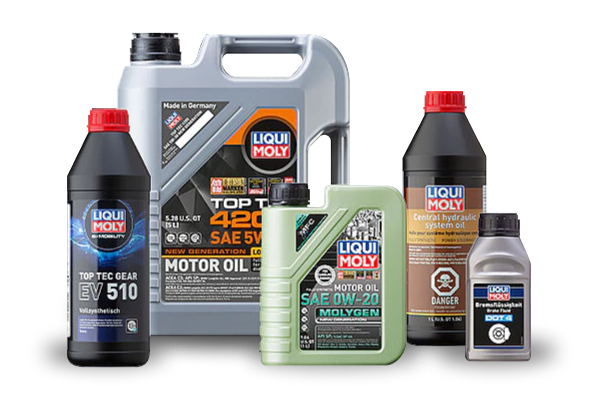
LIFETIME OIL CHANGE MEMBERSHIP INCLUDES UP TO 3 OIL CHANGES PER YEAR – FOREVER. BUY THE PACKAGE AND NEVER PAY FOR ANOTHER OIL CHANGE AGAIN!