
343 Airport Rd.
760-721-5500
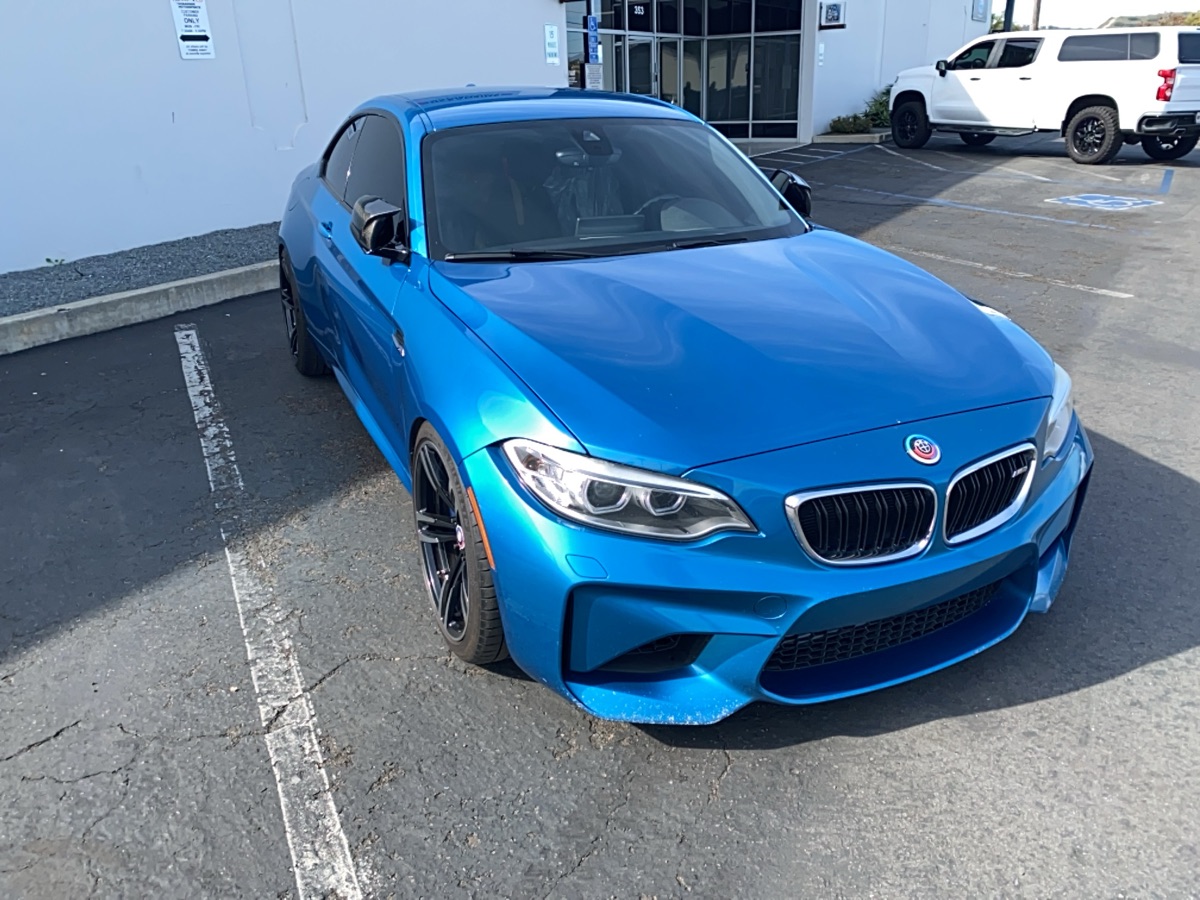
When it comes to maintaining peak performance in your BMW, few services are as critical—or as often debated—as the oil change. At Oceanside Motorsports, we specialize in servicing high-performance German vehicles and understand the unique needs of BMW engines.
Whether you’re driving a sporty M-series or a reliable 3 Series, knowing when to change your oil can significantly impact your vehicle’s longevity and performance. In this blog, we’ll break down BMW oil change intervals, factors that influence service timing, and why trusting a dedicated BMW specialist like Oceanside Motorsports ensures your vehicle gets the attention it deserves.
Modern BMWs—particularly models produced after 2014—come equipped with intelligent onboard diagnostics that actively monitor oil condition and usage. Based on this system, BMW generally recommends oil changes every 10,000 miles or 12 months, whichever comes first. These intervals assume the use of high-quality synthetic oil, which performs better under heat and lasts significantly longer than conventional oil.
In everyday scenarios involving short trips, stop-and-go traffic, or spirited driving, engine oil tends to break down more quickly. That’s why seasoned BMW specialists—like the team at Oceanside Motorsports—advise changing your oil every 5,000 to 7,500 miles. This more conservative approach helps protect your engine from wear, prevents sludge buildup, and supports long-term engine performance.
BMW engines are engineered with precision and high-performance components that demand consistent care. Clean, high-quality oil plays a critical role in reducing friction and regulating engine temperature. Skipping or delaying oil changes can lead to sludge buildup, increased wear, and poor fuel efficiency. Over time, this neglect may result in reduced horsepower and expensive engine repairs.
Many BMW models, such as the 328i, X3, and M-series, are equipped with turbocharged engines. These systems generate higher operating temperatures and put additional strain on engine oil. Because of this, a 5,000-mile oil change interval is recommended to maintain performance and prevent oil breakdown. Regular service helps protect the turbocharger, which is one of the most expensive components to replace.
Keeping up with routine oil changes is essential for maintaining your BMW’s factory warranty coverage. It also enhances resale value by showing prospective buyers a documented history of care. At Oceanside Motorsports, we perform OEM-compliant services that meet or exceed factory standards. Our detailed maintenance records give both dealerships and future owners confidence in your vehicle’s condition.
Most BMWs are equipped with an intelligent iDrive system or dashboard indicator to alert you when an oil change is due. This feature monitors driving conditions and engine performance to calculate optimal service intervals. Ignoring the warning can lead to reduced engine protection and performance. Always address the alert promptly to maintain engine longevity.
Checking your engine oil regularly with the dipstick is essential. Clean oil should appear amber and transparent. If the oil is dark and gritty, it indicates contamination and possible neglect. Dirty oil loses its effectiveness and may cause internal damage over time.
A ticking or knocking noise from the engine often results from dirty or degraded oil. When oil breaks down, it can no longer properly lubricate engine components. This friction can lead to increased wear and unusual engine sounds. Prompt oil replacement can restore quiet, smooth engine operation.
Old or dirty oil increases internal resistance within the engine. This added friction forces the engine to work harder, reducing fuel efficiency. You may notice more frequent trips to the gas station. Regular oil changes help keep your BMW running efficiently.
Excessive smoke from the exhaust can indicate burning oil or internal engine wear. Dark blue or gray smoke suggests that old oil may be leaking into the combustion chamber. This condition not only wastes oil but can damage your catalytic converter over time. A timely oil change can often prevent this issue and reduce emissions.
Oil changes are one of the simplest yet most essential services for BMW owners. Following a 5,000 to 7,500-mile interval is the best way to safeguard your engine and avoid premature wear. Trusting a professional shop like Oceanside Motorsports ensures your vehicle receives expert care using factory-compliant parts and practices.
Schedule your next BMW oil change with Oceanside Motorsports today and experience the difference expert care makes.


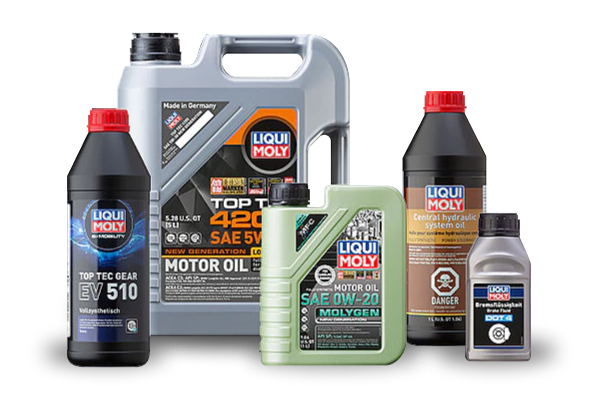
LIFETIME OIL CHANGE MEMBERSHIP INCLUDES UP TO 3 OIL CHANGES PER YEAR – FOREVER. BUY THE PACKAGE AND NEVER PAY FOR ANOTHER OIL CHANGE AGAIN!