
343 Airport Rd.
760-721-5500
Your BMW is a marvel of German engineering, known for its performance, precision, and reliability. However, it requires regular maintenance to ensure peak performance. One critical component that often gets overlooked is the timing chain. A failing timing chain can lead to catastrophic engine damage, making it essential to recognize the warning signs early.
In this blog, we’ll discuss how to identify a bad timing chain, why it’s critical for your engine, and how professional BMW repair services, such as Oceanside Motorsports, can help you avoid costly repairs. Here at Oceanside Motorsports, we can find out what’s wrong with your BMW with our diagnostic testing to ensure you’re only spending money on what needs to be fixed.
The timing chain is a vital part of your BMW’s engine, ensuring the proper synchronization of the camshaft and crankshaft. This synchronization allows the engine’s valves to open and close at the right time during the combustion cycle. Unlike timing belts, timing chains are made of metal and are designed to last much longer. However, they are not immune to wear and tear, especially if regular maintenance is neglected.
A failing timing chain can manifest in several ways. Paying attention to these signs can save you from extensive engine damage and costly repairs.
A rattling or clattering noise from the engine, particularly during startup, often signals a bad timing chain. This noise typically results from a loose or worn chain striking engine components. Over time, the rattling can grow louder as the chain deteriorates further. Addressing this issue promptly can prevent significant engine damage and costly repairs.
A check engine light may illuminate for various reasons, including timing chain problems. If the chain stretches or skips a tooth, it can disrupt engine timing and trigger this warning light. A diagnostic scan can confirm whether the timing chain is the cause. Ignoring the light can lead to more severe engine issues over time.
A damaged or stretched timing chain can upset the engine’s precise timing, leading to misfires. Drivers may notice a loss of power, rough idling, or hesitation during acceleration. These performance issues can worsen if the chain continues to degrade. Timely repairs can restore engine efficiency and prevent further damage.
Worn timing chains often shed tiny metal shavings that mix with the engine oil. These metallic particles are a telltale sign of a failing chain when spotted during an oil change. Contaminated oil can harm other engine components if left unaddressed. Replacing the timing chain early can prevent such cascading damage.
A severely worn or slipped timing chain can cause the engine to struggle or fail to start. This occurs because the chain can no longer maintain proper synchronization between the engine’s components. Delayed starting is often an early warning sign that shouldn’t be ignored. Immediate attention can prevent a complete breakdown and extensive repairs.
Timing chain issues in BMWs can arise from various factors. Poor maintenance, such as neglecting regular oil changes, accelerates chain wear. High mileage also contributes, as wear and tear naturally occur over time. Some BMW models, particularly those with N20 or N63 engines, are prone to timing chain problems due to design flaws. Additionally, a failing timing chain tensioner can lead to a loose chain, causing performance issues and potential engine damage.
Prevention is always better than cure. Here are some tips to keep your BMW’s timing chain in good condition.
Sticking to BMW’s recommended maintenance schedule is essential for timing chain longevity. Regular oil changes, as specified, ensure the chain remains lubricated and free from excess wear. Skipping scheduled maintenance can lead to accelerated chain deterioration. A proactive approach helps prevent costly repairs and keeps your engine running smoothly.
Using manufacturer-recommended oil is crucial for minimizing wear on the timing chain. High-quality oil provides the proper lubrication and reduces friction that can damage the chain. Avoid using subpar or incorrect oil, as it can compromise engine performance and timing chain health. Investing in the right oil helps prolong the life of the entire engine system.
Unusual noises or performance issues may indicate timing chain problems. A rattling sound during startup or sluggish acceleration shouldn’t be ignored. Addressing these symptoms early can prevent further damage and expensive repairs. Paying attention to your car’s behavior is a simple way to catch issues before they worsen.
Professional inspections are vital for identifying timing chain problems before they escalate. Mechanics can spot early signs of wear, tensioner failure, or chain slack during routine checks. These inspections save money by addressing small issues before they become major repairs. Making regular inspections a priority ensures your car stays in optimal condition.
At Oceanside Motorsports, we specialize in providing top-notch BMW repair services to ensure your ultimate driving machine performs at its best. From diagnosing timing chain issues to addressing complex engine problems, our expert German mechanics deliver precision care using the latest tools and OEM-quality parts. Trust us for routine maintenance, repairs, and performance upgrades tailored to your BMW’s specific needs. Experience exceptional service and expertise for your BMW at Oceanside Motorsports. Contact us today to schedule an appointment, we can’t wait to meet you!



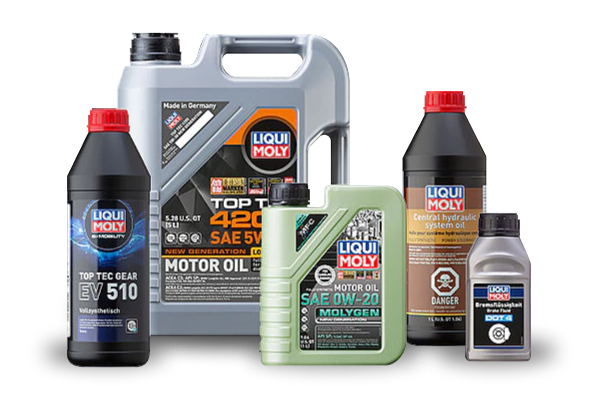
LIFETIME OIL CHANGE MEMBERSHIP INCLUDES UP TO 3 OIL CHANGES PER YEAR – FOREVER. BUY THE PACKAGE AND NEVER PAY FOR ANOTHER OIL CHANGE AGAIN!