

343 Airport Rd.
760-721-5500
If you own a BMW, maintaining its performance and longevity is crucial. One of the most vital components affecting your car’s overall health is the spark plugs. Bad or failing spark plugs can cause a host of issues, from reduced fuel efficiency to engine misfires.
In this blog post, we’ll help you identify the symptoms of bad BMW spark plugs, explain their function, and provide tips for replacement. Here at Oceanside Motorsports, we can find out what’s wrong with your BMW with our diagnostic testing to ensure you’re only spending money on what needs to be fixed.
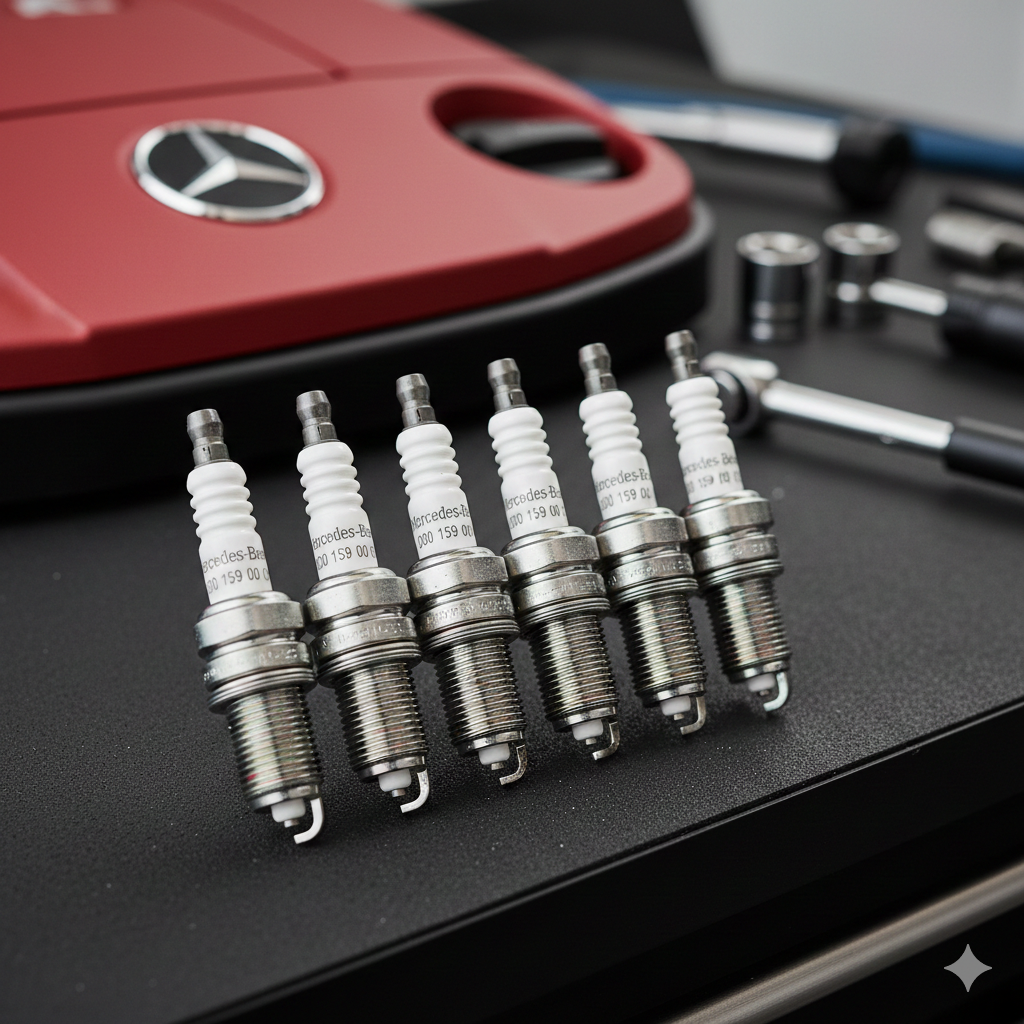
Before diving into how to recognize bad spark plugs, it’s essential to understand their role in your BMW’s engine. Spark plugs are small components located in the cylinder head, responsible for igniting the air-fuel mixture in the engine’s combustion chamber. This ignition creates the explosion that powers your engine, enabling your BMW to run efficiently. Over time, spark plugs wear out, and when they do, they can severely affect engine performance. Regular inspection and replacement are key to keeping your BMW in optimal condition.
Now, let’s go over the key signs that indicate your BMW’s spark plugs may be failing.
Engine misfires are a common indicator of bad spark plugs. When spark plugs are worn or damaged, they fail to ignite the air-fuel mixture properly. This can cause erratic engine behavior, such as rough idling or stuttering, particularly during acceleration. Left unresolved, misfires can lead to more significant engine issues over time.
A noticeable drop in fuel efficiency can point to worn spark plugs. When the plugs are no longer able to burn fuel efficiently, it leads to wasted gasoline. As a result, you’ll find yourself refueling more frequently. This inefficiency not only affects your wallet but also reduces your BMW’s performance.
If your BMW vibrates or shakes while idling, bad spark plugs may be to blame. Faulty plugs result in inconsistent combustion cycles, causing the engine to run unevenly. This rough idling can be particularly noticeable when the car is stationary. Replacing the spark plugs should resolve this issue.
Worn-out spark plugs can make it hard to start your BMW. When the plugs fail to generate a proper spark, the engine struggles to ignite the fuel. This can result in a longer crank time or a failure to start smoothly. Addressing the spark plug issue should restore smooth engine starts.
A lack of responsiveness when accelerating is often linked to bad spark plugs. The engine may feel sluggish as incomplete combustion cycles reduce power output. This leads to poor acceleration and a noticeable drop in overall performance. Replacing the worn plugs can help restore engine responsiveness.
If you’re experiencing any of the symptoms mentioned above, it might be time to inspect your BMW’s spark plugs. Here’s how to check them.
To inspect the spark plugs, you must first remove them from the engine. Make sure the engine is cool to avoid any burns or damage. On most BMW models, you’ll need to remove the engine cover and coil packs to access the plugs. This step is essential for a proper visual inspection of each spark plug.
Once removed, inspect the condition of each spark plug carefully. A healthy plug should appear light tan or grey. Black soot indicates carbon fouling, while oil-covered plugs suggest an oil leak. If the electrode is worn down, the spark plug has likely reached the end of its useful life.
Using a gap gauge, measure the distance between the spark plug’s center and ground electrodes. A gap that’s too wide or too narrow can lead to poor engine performance. It’s crucial to consult your BMW’s manual for the correct gap specifications. Adjusting or replacing plugs based on these measurements can prevent further engine issues.
BMW spark plugs typically need replacement every 30,000 to 60,000 miles, but this varies by model and conditions. High-performance models or vehicles driven in extreme climates may require more frequent changes. Common signs that it’s time for a replacement include engine misfires, rough idling, and reduced fuel efficiency. Addressing these issues early ensures optimal engine performance and longevity.
Maintaining your BMW’s spark plugs is essential for preserving engine performance and fuel efficiency. Ignoring bad spark plugs can lead to costly BMW repairs down the road, including potential damage to your ignition coils or even the engine itself. Regular inspections, coupled with timely replacement, will ensure that your BMW runs smoothly and delivers the high performance you expect.
For over 14 years, Oceanside Motorsports has provided Oceanside with the absolute BEST customer experience when your car needs work. We go above and beyond to make sure your experience is enjoyable and we ensure top tier repairs with an exceptional warranty. We service all makes and models with a specialty focus on European cars like BMW, Mini, VW, Audi, and Mercedes. Contact us today to schedule an appointment, we can’t wait to meet you!



LIFETIME OIL CHANGE MEMBERSHIP INCLUDES UP TO 3 OIL CHANGES PER YEAR – FOREVER. BUY THE PACKAGE AND NEVER PAY FOR ANOTHER OIL CHANGE AGAIN!