
343 Airport Rd.
760-721-5500
Suspension issues in a BMW can significantly impact the driving experience, safety, and vehicle longevity. In this guide, we’ll dive into common BMW suspension problems, their causes, symptoms, and how to address them.
Whether you own a BMW M4, X3, or another model, understanding these issues and their solutions is crucial for maintaining your vehicle’s performance and ensuring a smooth ride. Here at Oceanside Motorsports, we can find out what’s wrong with your BMW with our diagnostic testing to ensure you’re only spending money on what needs to be fixed.
BMW vehicles are renowned for their performance, but like any car, they can experience suspension problems. Here are some of the most common issues BMW owners might encounter.
Worn shock absorbers and struts can cause noticeable issues like bouncing or swaying while driving, increased braking distance, uneven tire wear, and a rough ride. These components naturally wear out over time due to normal usage, leading to a loss of their dampening ability. To maintain a smooth and safe ride, it’s essential to inspect and replace worn shock absorbers and struts as needed.
When control arm bushings fail, you may notice clunking noises, uneven tire wear, and poor handling, especially during cornering. The rubber in these bushings degrades over time, resulting in excessive play and movement within the suspension system. Replacing the control arm bushings is crucial for restoring proper handling and stability.
Broken or worn coil springs can lead to symptoms like vehicle sagging on one side, uneven ride height, and unusual noises when going over bumps. Coil springs may break or lose tension due to age, carrying heavy loads, or severe driving conditions. To ensure your vehicle maintains proper ride height and stability, it’s important to replace broken or worn coil springs with OEM or high-quality aftermarket options.
Ball joint wear can cause steering wandering, knocking noises, and uneven tire wear, particularly under high-performance driving conditions. These components wear out due to the constant movement and load they endure. Regularly checking ball joints for play and replacing them when necessary is key to maintaining proper steering and suspension function.
For BMW models equipped with air suspension, issues like vehicle sagging when parked, a harsh ride, and error messages on the dashboard may indicate a problem with the system. Air suspension components such as airbags, compressors, or sensors can fail due to leaks or electrical issues. Diagnosing and replacing the specific faulty component is essential to restore the system’s performance.
Proper diagnosis is key to addressing suspension problems effectively. Here are steps you can take.
Start by examining the suspension components for any visible signs of wear, such as cracked bushings, leaking shock absorbers, or broken springs. These issues can compromise your vehicle’s ride quality and safety. Additionally, check for uneven tire wear, which often indicates underlying suspension problems.
When driving over bumps or rough roads, pay close attention to any clunking, knocking, or squeaking sounds. These noises typically signal that certain suspension components are worn or damaged. Catching these sounds early can help you address problems before they worsen.
Notice any changes in how your vehicle handles, such as increased body roll, sluggish steering response, or a rougher ride than usual. These symptoms often point to issues within the suspension system. Promptly addressing these signs can help maintain your vehicle’s stability and performance.
For a more detailed analysis, especially in vehicles with electronic or air suspension systems, use diagnostic tools to check for error codes. These tools can help pinpoint specific suspension-related issues that might not be visible during a visual inspection. Early detection through diagnostics can prevent more extensive and costly repairs.
Regular maintenance can help prevent suspension problems from developing or worsening.
Make suspension checks a part of your routine vehicle inspections. Look for any signs of wear, such as leaks, cracks, or damage to shock absorbers, bushings, and springs. Catching these issues early can prevent more extensive and costly repairs.
Keeping your tires inflated to the manufacturer’s recommended levels is crucial for minimizing strain on suspension components. Incorrect tire pressure can lead to uneven wear and affect the overall performance of your suspension. Regularly check and adjust tire pressure to ensure a smooth and safe ride.
Exceeding your vehicle’s load capacity can accelerate the wear and tear on suspension components. Stick to the recommended load limits specified for your BMW model to avoid unnecessary strain. This practice helps prolong the life of your suspension system.
Although BMWs are engineered for performance, aggressive driving on rough roads can cause significant damage to the suspension. It’s wise to slow down and avoid potholes whenever possible to protect your suspension components. Careful driving can save you from costly repairs down the road.
Adhering to your BMW’s maintenance schedule, which includes regular checks and replacements of suspension parts, is essential for preventing minor issues from escalating. Regular maintenance ensures that your suspension system stays in optimal condition. This proactive approach helps maintain your vehicle’s performance and safety.
Addressing BMW suspension problems promptly is essential for maintaining the performance, safety, and comfort of your vehicle. By understanding common suspension issues, diagnosing problems accurately, and following preventive maintenance tips, you can ensure that your BMW continues to deliver the driving experience it’s known for. Whether you handle repairs yourself or seek professional help, staying on top of suspension maintenance will save you money and keep your BMW running smoothly for years to come.
For over 14 years, Oceanside Motorsports has provided Oceanside with the absolute BEST customer experience when your car needs work. We go above and beyond to make sure your experience is enjoyable and we ensure top tier repairs with an exceptional warranty. We service all makes and models with a specialty focus on European cars like BMW, Mini, VW, Audi, and Mercedes. Contact us today to schedule an appointment, we can’t wait to meet you!


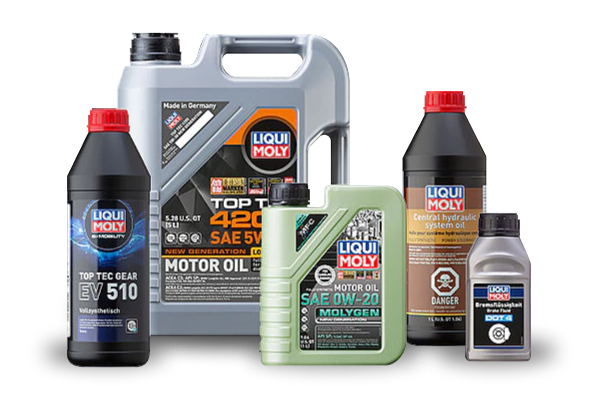
LIFETIME OIL CHANGE MEMBERSHIP INCLUDES UP TO 3 OIL CHANGES PER YEAR – FOREVER. BUY THE PACKAGE AND NEVER PAY FOR ANOTHER OIL CHANGE AGAIN!