

343 Airport Rd.
760-721-5500
A sudden loss of power in a Mercedes can disrupt daily driving and raise concerns about engine health and overall safety. Modern Mercedes engines rely on precise fuel delivery, advanced electronics, turbocharging, and intelligent transmission management. When any of these systems falter, acceleration becomes sluggish, the engine hesitates, and fuel efficiency drops.
Many drivers search Mercedes mechanic near me because professional diagnostics are essential for identifying the cause. This guide outlines the common reasons for power loss and helps you understand when to schedule Mercedes repair at Oceanside Motorsports.
Restricted fuel flow limits how the engine performs at all speeds. A clogged filter, weak pump, or failing injector reduces the amount of fuel reaching the cylinders. This leads to slow acceleration and difficulty maintaining speed under load. Ignoring these faults increases the risk of misfires and long term engine damage.
Turbocharged engines rely on consistent boost pressure for smooth power output. Worn bearings, damaged wastegates, or clogged oil passages prevent the turbo from building proper pressure. Drivers often notice whistling sounds, delayed throttle response, and heavy exhaust smoke. These symptoms indicate the need for prompt inspection by a qualified Mercedes mechanic near me.
Engines require clean and unrestricted airflow for efficient combustion. A dirty filter, faulty mass airflow sensor, or intake leak disrupts the air to fuel balance. When readings become inaccurate, the control unit reduces power to protect internal components. This results in hesitation, rough idle, and sluggish acceleration.
Modern engines depend on precise sensor data to maintain proper operation. A failing oxygen sensor, throttle position sensor, or boost sensor can trigger reduced power mode. The check engine light commonly appears when these issues develop. Only a trained technician can verify if the sensor signal is incorrect or if another hidden problem exists.
Clogged catalytic converters or damaged exhaust parts restrict the flow of gases. Excessive backpressure forces the engine to work harder and limits available power. Drivers may hear rattling or experience overheating as the issue progresses. Early inspection helps prevent severe internal damage and restores normal performance.
Power loss sometimes originates from the drivetrain rather than the engine. A slipping transmission, worn torque converter, or outdated software interrupts power transfer to the wheels. Symptoms often include delayed shifting, sudden RPM spikes, or hesitation during takeoff. Accurate diagnostics ensure smooth and consistent acceleration.
Weak batteries, corroded grounds, and failing control units can cause sudden drops in performance. Inconsistent voltage affects fuel delivery, turbo operation, and overall communication between components. Electrical faults often mimic mechanical problems and require proper testing to identify accurately. Timely repairs restore full engine response and driving confidence.
Replace air and cabin filters at manufacturer recommended intervals to maintain clean airflow. Restricted airflow forces the engine to work harder and reduces fuel efficiency. Fresh filters support stable combustion and smoother performance. This simple maintenance step helps prevent avoidable drivability issues.
Schedule routine inspections for fuel system components to ensure proper delivery. A clean and efficient fuel system provides steady power under all conditions. Early detection of clogs or wear prevents performance loss. Consistent checks improve engine reliability.
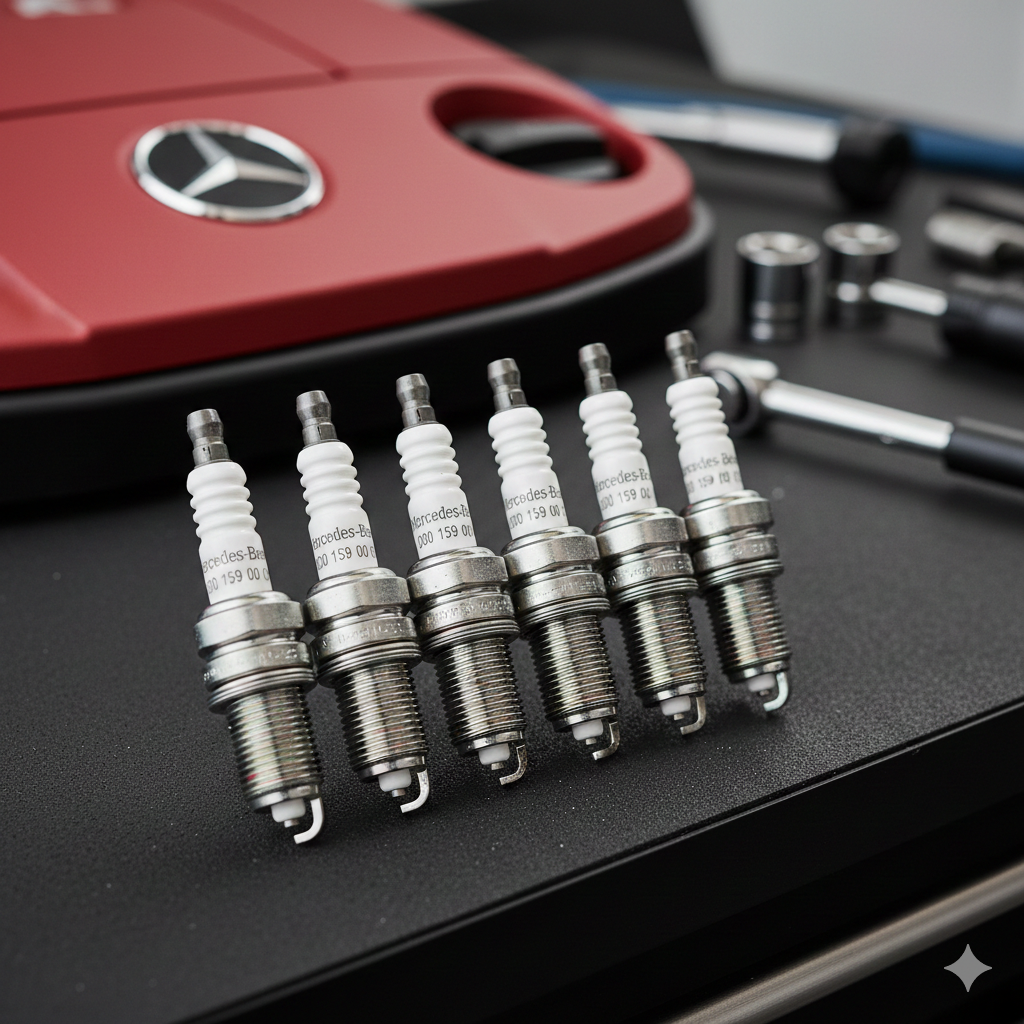
Keep spark plugs and ignition coils updated to support efficient combustion. Worn plugs cause misfires and slow response. Healthy ignition parts provide stronger acceleration and stable idling. Timely replacement protects long term engine health.
Follow proper oil change intervals to protect the turbocharger and internal components. Clean oil reduces friction and heat. Delayed service increases strain and lowers overall efficiency. Regular oil changes preserve engine longevity.
Inspect the exhaust system for early signs of restriction to maintain smooth flow. Blocked components hinder performance and reduce fuel economy. Identifying issues early prevents costly repairs. A healthy exhaust system supports optimal power delivery.
Perform software updates to maintain ECU performance and system accuracy. Updated programming improves responsiveness and drivability. It also ensures that engine management operates with the latest calibrations. Consistent updates enhance overall vehicle performance.
A Mercedes that loses power signals problems within the fuel, turbo, intake, sensor, exhaust, or transmission systems. Prompt action prevents costly failures and keeps your vehicle performing as designed. For expert diagnostics and precision repairs, schedule professional Mercedes repair at Oceanside Motorsports. Our team delivers accurate testing, high quality workmanship, and long term reliability that restores confidence in every drive.


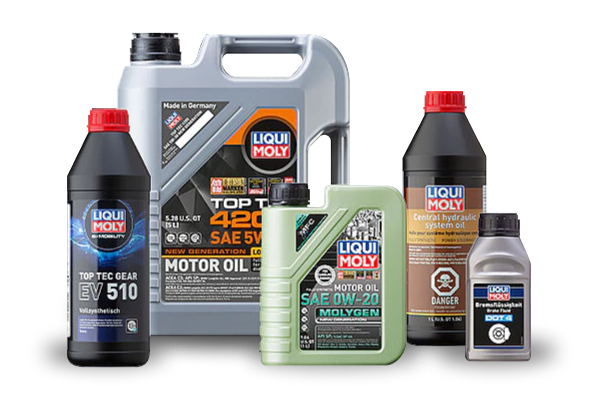
LIFETIME OIL CHANGE MEMBERSHIP INCLUDES UP TO 3 OIL CHANGES PER YEAR – FOREVER. BUY THE PACKAGE AND NEVER PAY FOR ANOTHER OIL CHANGE AGAIN!