
343 Airport Rd.
760-721-5500
Common causes of poor fuel economy in a Mini Cooper include dirty fuel injectors, worn spark plugs, low tire pressure, and faulty oxygen sensors. Engine issues, such as carbon buildup or outdated software, can also reduce efficiency. Even driving habits like excessive idling or aggressive acceleration contribute to fuel waste.
When your Mini Cooper starts consuming more fuel than usual, professional inspection is essential. At Oceanside Motorsports, our certified mechanics specialize in Mini Cooper repair and diagnostics. We identify the root cause of fuel efficiency issues and restore your car’s performance with precision and care, ensuring you get the best mileage and reliability from your vehicle.
A clogged air filter limits airflow to the engine, forcing it to burn more fuel to maintain performance. This strain leads to poor fuel economy and reduced power. Over time, dirt and debris buildup make the engine work harder than necessary. Replacing the air filter regularly helps maintain optimal fuel efficiency and engine health.
A faulty oxygen sensor sends incorrect data to the engine control system, causing improper fuel mixture adjustments. When this happens, the engine may consume more fuel than required. It also affects emissions and overall performance. Replacing a bad oxygen sensor restores balance and improves fuel economy.
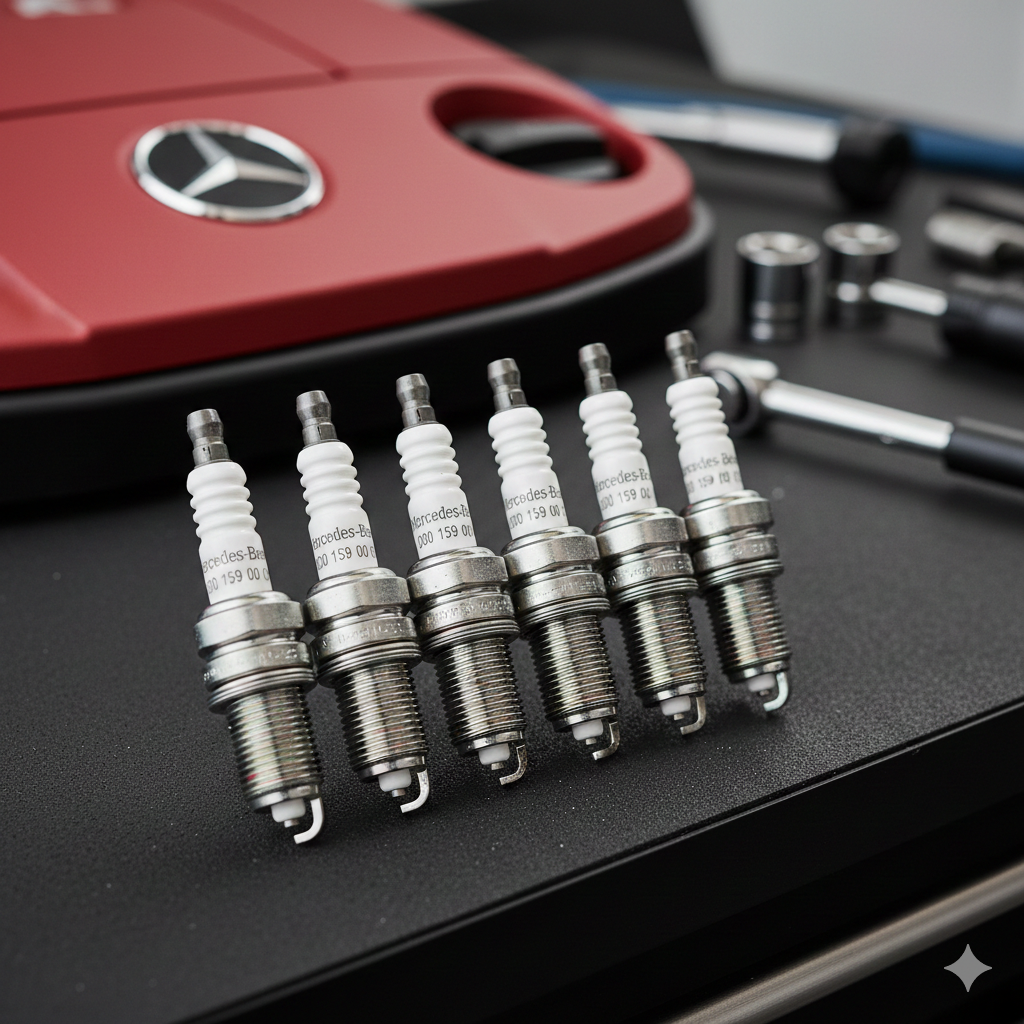
Worn or dirty spark plugs prevent complete fuel combustion inside the cylinders. This causes wasted fuel and reduced engine performance. Poor combustion leads to higher fuel consumption and lower mileage. Replacing spark plugs on schedule ensures efficient combustion and better power output.
Tires with low air pressure create extra drag, forcing the engine to work harder. This increased rolling resistance lowers fuel efficiency. Driving on underinflated tires also affects handling and accelerates tire wear. Checking tire pressure regularly helps improve both fuel economy and ride quality.
Fuel injectors that are clogged with dirt or carbon cannot deliver fuel properly. This disrupts the air-fuel mixture and reduces combustion efficiency. As a result, your Mini Cooper burns more fuel to produce the same power. Cleaning or replacing dirty injectors improves fuel flow and restores engine performance.
Frequent idling and aggressive acceleration waste fuel quickly. Sudden starts, hard braking, and high-speed driving all reduce fuel economy. Smooth, steady driving helps maintain better mileage and engine performance. Adopting gentle driving habits extends your fuel range and reduces wear.
A malfunctioning thermostat prevents the engine from reaching its ideal operating temperature. When the engine runs too cool, it consumes more fuel to maintain power. This also affects emissions and long-term efficiency. Regular cooling system maintenance ensures consistent temperature control and better fuel economy.
Routine Mini Cooper repair services can prevent many fuel economy problems before they start. Whether you drive a Cooper S, Countryman, or Clubman, professional care ensures your vehicle continues to deliver the fun, efficient performance it’s known for.
High-quality synthetic oil reduces friction and helps your Mini Cooper’s engine run smoothly. It offers better protection against heat and wear, improving efficiency and longevity. Regular oil changes prevent sludge buildup that can harm performance. Following the manufacturer’s recommended intervals ensures consistent fuel economy and engine reliability.
Properly inflated tires reduce rolling resistance and improve gas mileage. Balanced tires also promote even wear and better handling. Low tire pressure forces the engine to use more energy, wasting fuel. Checking tire pressure monthly keeps your Mini Cooper performing efficiently.
Timely replacement of spark plugs, air filters, and fluids keeps your Mini Cooper running at peak performance. Clean filters allow better airflow, while fresh fluids prevent friction and overheating. Neglecting these components can lead to poor fuel efficiency and engine strain. Staying consistent with scheduled maintenance enhances reliability and fuel savings.
Oxygen sensors and fuel injectors play a key role in maintaining the right air-fuel balance. When these parts fail, your Mini Cooper may burn more fuel than necessary. Regular inspections ensure they work correctly and prevent costly repairs. Keeping them clean helps improve fuel economy and engine performance.
Gentle driving habits contribute significantly to better fuel efficiency. Avoiding rapid acceleration and heavy braking reduces fuel waste and engine wear. Smooth, steady driving allows the engine to operate efficiently and extend its lifespan. Adopting these habits helps maximize every gallon of fuel.
If you’ve noticed your Mini Cooper’s fuel economy dropping, it’s time for a comprehensive inspection. Poor mileage often points to underlying issues that require expert attention. At Oceanside Motorsports, our certified technicians specialize in Mini Cooper repair and diagnostics. Using advanced tools and genuine parts, we ensure your vehicle performs at its best.
Whether you’re searching for a Mini Cooper mechanic near me or need trusted auto repair in Oceanside, our team delivers precision service with attention to detail. Schedule an appointment today!
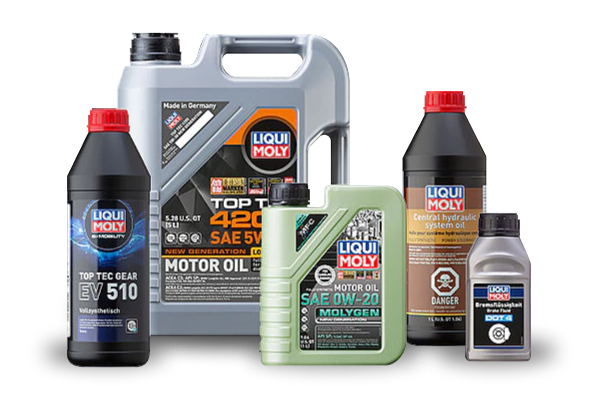
LIFETIME OIL CHANGE MEMBERSHIP INCLUDES UP TO 3 OIL CHANGES PER YEAR – FOREVER. BUY THE PACKAGE AND NEVER PAY FOR ANOTHER OIL CHANGE AGAIN!