

343 Airport Rd.
760-721-5500
Carbon buildup is one of the most common issues affecting modern Audi engines, particularly those with direct fuel injection systems. Over time, carbon deposits form on the intake valves and other internal components, leading to reduced performance, rough idling, and poor fuel economy. Understanding how to prevent this buildup is key to keeping your Audi running smoothly and efficiently.
For reliable maintenance and expert service, Oceanside Motorsports specializes in professional Audi repair that addresses and prevents these common engine issues.
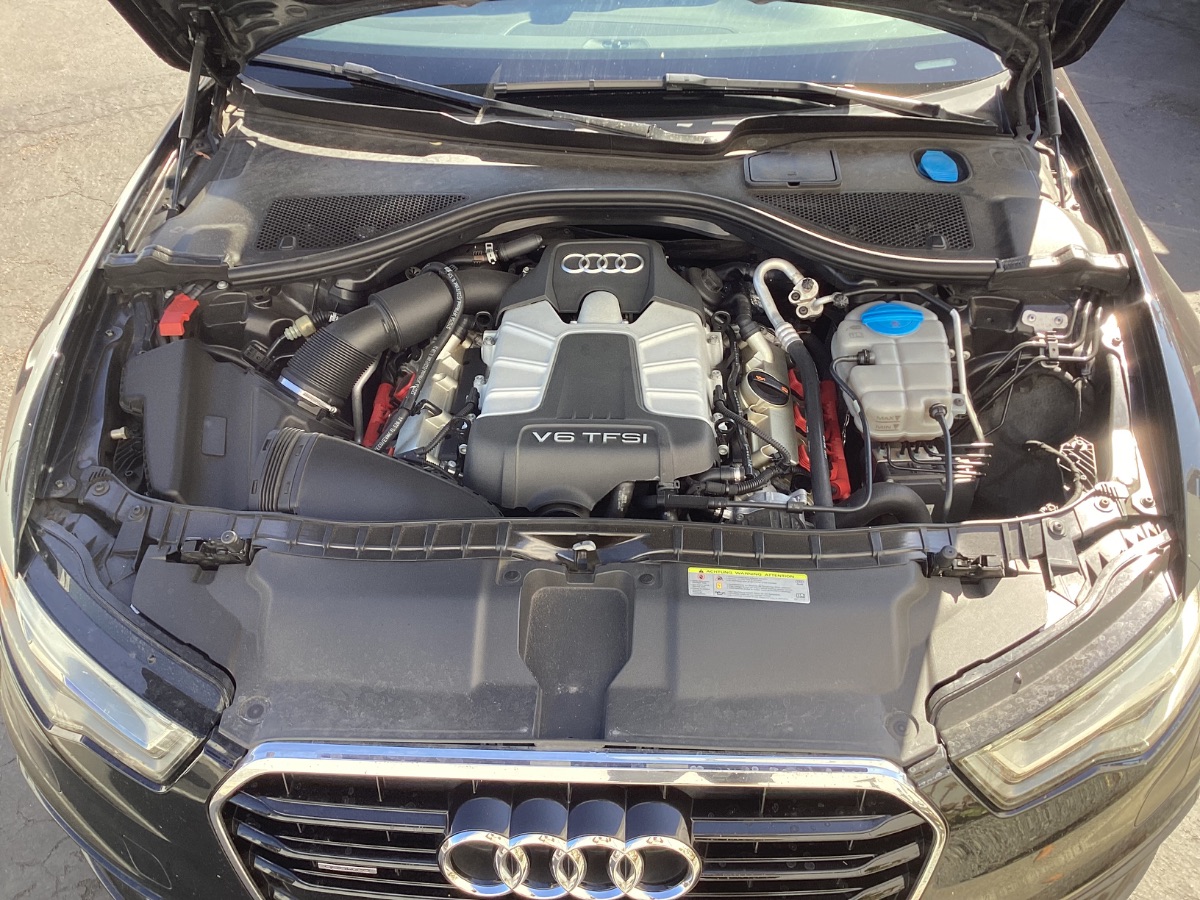
Audi’s TFSI and FSI engines deliver impressive power and efficiency, but their direct injection design can lead to carbon buildup on intake valves. Since fuel no longer cleans the valves, carbon deposits from oil vapors and exhaust gases gradually accumulate, restricting airflow and affecting performance. Over time, this buildup causes power loss, rough idling, and reduced fuel economy. Preventing carbon buildup is essential to maintaining your Audi’s performance and ensuring the longevity of your engine.
If your Audi shakes or vibrates while idling, it could be a sign of carbon buildup in the engine. Deposits on the intake valves affect the air-fuel balance, leading to unstable combustion. This imbalance causes the engine to run unevenly and feel rough at low speeds. A rough idle is often the first indication that your Audi needs professional Audi repair or cleaning.
When carbon collects on the intake valves, it limits the amount of air reaching the cylinders. This restriction reduces engine performance and responsiveness. You may notice slower acceleration and difficulty maintaining higher speeds. Regular maintenance from a trusted Audi mechanic near me helps prevent this loss of power and keeps your vehicle running smoothly.
Carbon buildup forces the engine to work harder than necessary to maintain power. This extra effort leads to higher fuel consumption and fewer miles per gallon. Drivers may see a noticeable decline in fuel efficiency even with consistent driving habits. Scheduling routine intake cleanings can restore proper performance and improve overall efficiency in your Audi.
Excessive carbon on the valves can interfere with their ability to seal tightly during combustion. This issue often results in incomplete fuel burning and causes the engine to misfire. Persistent misfires can harm spark plugs and increase emissions. Addressing this problem early with professional Audi repair prevents further damage to engine components.
A check engine light can appear when the car’s sensors detect poor airflow or incomplete combustion. Carbon buildup is one of the most common reasons behind this warning. Ignoring the light may lead to more serious engine issues over time. A qualified Audi mechanic near me can perform diagnostics to identify carbon-related problems and recommend proper cleaning or repairs.
Always fill your Audi with high-quality, top-tier premium gasoline. Premium fuel includes detergents that minimize carbon buildup in the combustion chamber. Using low-grade fuel causes incomplete combustion, which accelerates residue formation. Following Audi’s fuel recommendations keeps the engine cleaner and running efficiently.
Dirty or old engine oil increases carbon formation inside the engine. Change your oil every 5,000 to 7,500 miles using synthetic oil that meets Audi’s standards. Clean oil helps prevent vapor buildup that contributes to deposits. Regular oil changes protect critical components and improve engine performance.
Frequent short trips prevent the engine from reaching its ideal operating temperature. This leads to unburned fuel and added carbon residue over time. Driving on the highway for 20 to 30 minutes helps the engine fully warm up and burn off deposits. Longer drives naturally clean the combustion system for better efficiency.
The Positive Crankcase Ventilation system prevents oil vapors from entering the intake manifold. A failing PCV valve allows contamination that increases carbon buildup. Have your Audi mechanic near me inspect and replace it as needed. Proper PCV maintenance ensures cleaner airflow and reduces intake residue.
Even with proper care, direct injection engines eventually develop carbon buildup. Walnut blasting is an effective cleaning method that removes thick deposits from the intake valves. Schedule this service every 40,000 to 60,000 miles to maintain strong engine performance. Regular deep cleaning helps your Audi run smoother and last longer.
A clean air filter supports efficient combustion and airflow. Replace the filter every 15,000 to 20,000 miles or sooner if driving in dusty areas. Restricted airflow causes the engine to run rich, leading to more carbon deposits. Keeping the filter clean improves power and fuel economy.
Routine maintenance is key to preventing carbon buildup in Audi engines. Regular inspections, oil changes, and tune-ups keep all systems operating efficiently. Following Audi’s factory schedule ensures early detection of potential issues. Consistent care maintains performance, reliability, and long-term engine health.
Preventing carbon buildup in your Audi’s engine requires consistent care, quality fuel, and professional maintenance. Regular oil changes, fuel system treatments, and periodic walnut blasting all play a part in maintaining engine efficiency and longevity.
For expert diagnostics and precision Audi repair, trust Oceanside Motorsports. Whether you’re searching for a dependable Audi mechanic near me or want to restore your vehicle’s performance, our team combines advanced tools with specialized knowledge to keep your Audi performing like new. Schedule an appointment today!



LIFETIME OIL CHANGE MEMBERSHIP INCLUDES UP TO 3 OIL CHANGES PER YEAR – FOREVER. BUY THE PACKAGE AND NEVER PAY FOR ANOTHER OIL CHANGE AGAIN!