
343 Airport Rd.
760-721-5500
If you drive an Audi, chances are you’ve heard other owners or your mechanic mention carbon buildup on intake valves. It’s one of the most common issues that Audi turbo engines face, especially those with direct fuel injection. While it might sound like just another technical term, carbon buildup can affect your Audi’s performance, efficiency, and long-term reliability if it’s not addressed.
At Oceanside Motorsports, we’ve worked on countless vehicles with this issue, so let’s break down what’s really happening under the hood and why regular Audi repair and maintenance are so important.
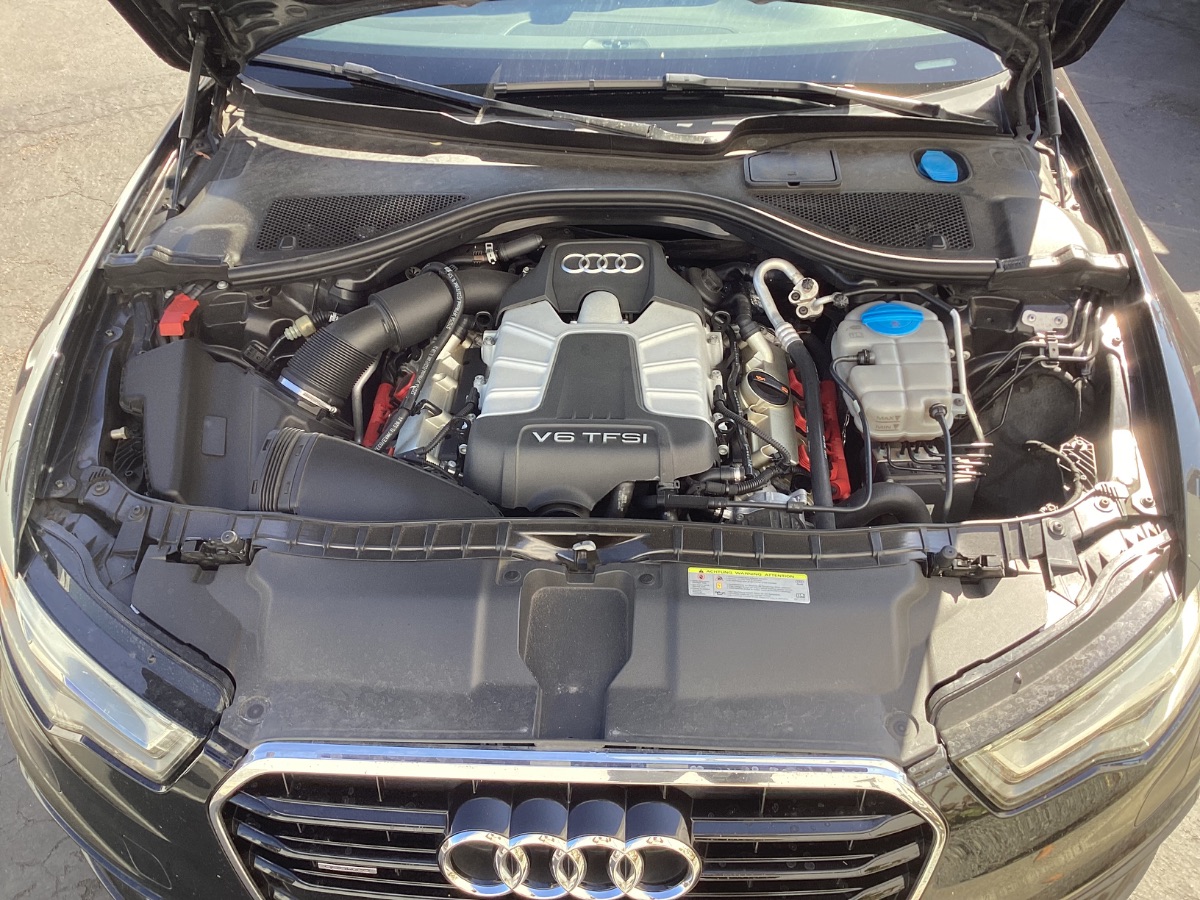
Audi’s turbocharged engines, particularly the TFSI and TSI direct-injection engines—are designed for power and efficiency. Instead of spraying fuel into the intake manifold (like older engines), these systems inject fuel directly into the combustion chamber. This allows for better fuel atomization, improved efficiency, and more horsepower.
The downside? Because fuel no longer washes over the intake valves, there’s nothing to clean away the oil vapors and carbon particles that naturally accumulate during combustion. Over time, these deposits stick to the intake valves, forming a thick, crusty buildup.
While the direct injection design is the main culprit, a few other factors make carbon buildup worse!
Every Audi engine experiences some level of oil blow-by, where oil vapor escapes past the piston rings and enters the crankcase ventilation system. In turbocharged engines, this vapor is routed back into the intake system, where it settles on the intake valves. Over time, the oil residue combines with combustion byproducts to form thick carbon deposits. This buildup can eventually affect airflow and performance if not addressed.
Drivers who mostly take short trips are more likely to face carbon buildup issues. When the engine does not fully warm up, it cannot efficiently burn off excess carbon. This situation is common for Audi owners in city traffic or with frequent stop-and-go driving. Without longer freeway runs, carbon layers on the valves continue to accumulate.
Audi’s turbocharged engines deliver strong performance by forcing more air into the combustion chamber. However, this extra pressure also increases the amount of oil vapor pulled into the intake. That vapor coats the valves and contributes to faster carbon buildup. While the turbo boosts power, it also accelerates the cycle of deposits forming inside the engine.
The type of fuel used plays a major role in how clean the engine runs. Low-grade fuel often burns less efficiently, leading to higher levels of carbon residue. Fuel additives may help clean injectors, but they cannot prevent intake valve buildup in direct-injection Audi engines. Since fuel never washes over the valves, deposits continue to form unless properly managed.
Carbon buildup doesn’t usually happen overnight, it slowly accumulates until it begins to affect how your car runs. Here are some signs Audi drivers often notice!
One of the most common signs of carbon buildup in Audi engines is a rough idle. When deposits coat the intake valves, airflow into the combustion chamber becomes uneven. This imbalance makes the engine feel shaky or unstable when sitting still. If ignored, the rough idle can progress into misfires and poor drivability.
Carbon buildup restricts the amount of air reaching the combustion chamber, which directly reduces engine performance. Audi owners may notice that their vehicle does not accelerate as strongly as it once did. The engine has to work harder, yet still delivers less power. Over time, this loss of performance can become more noticeable during everyday driving.
A clogged intake system forces the engine to burn more fuel to maintain normal operation. When carbon buildup reduces airflow, the engine’s efficiency drops. Audi drivers may see fuel mileage decrease even when driving habits remain the same. Addressing the buildup can restore fuel economy and reduce extra trips to the gas station.
The check engine light is often triggered by misfires caused by clogged intake valves. Carbon deposits disrupt the combustion process, which sends error signals to the vehicle’s computer. Many Audi owners first learn of buildup issues when this warning light appears on the dashboard. A professional inspection can confirm if carbon deposits are the source of the problem.
Another symptom of carbon buildup in Audi engines is sluggish acceleration. When the intake valves are coated in deposits, the engine cannot respond quickly to throttle input. Drivers may notice hesitation or lag when pressing the gas pedal. This symptom not only reduces performance but also impacts the overall driving experience.
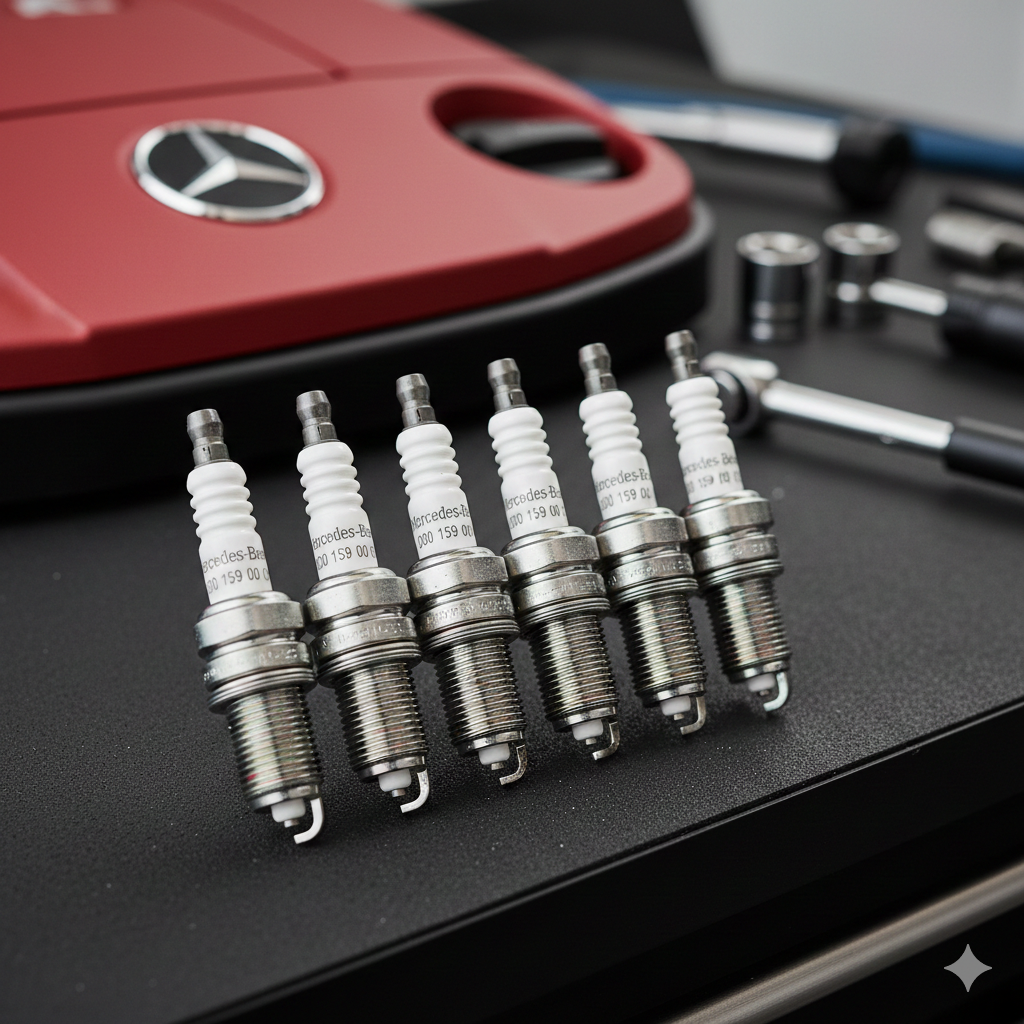
Unfortunately, carbon buildup can’t be solved with just a fuel additive or regular maintenance items like spark plugs. Because the fuel never touches the intake valves, those products don’t clean them. Instead, Audi mechanics use a process called walnut blasting.
This service involves blasting crushed walnut shells at high pressure directly onto the intake valves. The shells are abrasive enough to remove carbon deposits but soft enough that they won’t damage the metal components. Once complete, your intake valves are clean and your Audi’s performance is restored.
Carbon buildup on intake valves is a natural side effect of Audi’s advanced turbocharged, direct-injection engines. While it may sound intimidating, it’s a manageable problem when handled by experienced professionals. By understanding what causes the buildup, watching for symptoms, and scheduling preventative maintenance, you can keep your Audi running like new.
If you suspect your Audi might be suffering from carbon buildup or if it’s just been a while since your last intake cleaning, don’t wait. Contact Oceanside Motorsports today to schedule your Audi repair appointment. We’ll make sure your engine breathes freely again, giving you back the performance, efficiency, and reliability you expect from your Audi.



LIFETIME OIL CHANGE MEMBERSHIP INCLUDES UP TO 3 OIL CHANGES PER YEAR – FOREVER. BUY THE PACKAGE AND NEVER PAY FOR ANOTHER OIL CHANGE AGAIN!