
343 Airport Rd.
760-721-5500
If you’ve noticed your BMW running hotter than usual, a sweet smell under the hood, or low coolant levels, you may be dealing with a coolant issue. Coolant problems in BMWs are common and can stem from leaks in hoses, a failing water pump, or even internal engine issues that cause the coolant to burn. Left unchecked, these problems can lead to overheating and serious engine damage.
At Oceanside Motorsports, we specialize in BMW repair and know exactly how to diagnose whether your coolant is leaking or burning. With expert German mechanics and years of experience, we help BMW owners get back on the road with confidence.
Coolant, also called antifreeze, is the lifeblood of your BMW’s cooling system. It circulates through the engine and radiator, regulating temperatures and preventing overheating. Without it, your BMW could quickly overheat, leading to warped cylinder heads, blown gaskets, or even complete engine failure.
Because of BMW’s high-performance engines, coolant issues tend to show up faster than in some other vehicles. If your coolant is disappearing, it’s not something to ignore. The key is figuring out where the coolant is going, outside the engine (leak) or inside the engine (burning).
Coolant leaks are one of the most common BMW repair issues. Over time, seals, hoses, and plastic components can weaken and crack, especially in the heat of Southern California. Here’s how you can tell if your coolant is leaking externally!
One of the most common signs of a BMW coolant leak is finding puddles under your car after it has been parked. Coolant often comes in green, orange, or pink shades, making it easy to spot against the pavement. It also carries a sweet smell, which can help confirm that it is not just plain water. If you see liquid pooling near the front of your BMW, it is time to schedule a professional inspection before it leads to engine damage.
Modern BMWs are equipped with sensors that alert you when the coolant level drops too low. If this light comes on more than once, it usually means your system is losing fluid somewhere. Ignoring this warning can cause your BMW engine to overheat, which may lead to expensive repairs. To avoid costly issues, always take a coolant light seriously and seek immediate BMW repair from a trusted mechanic.
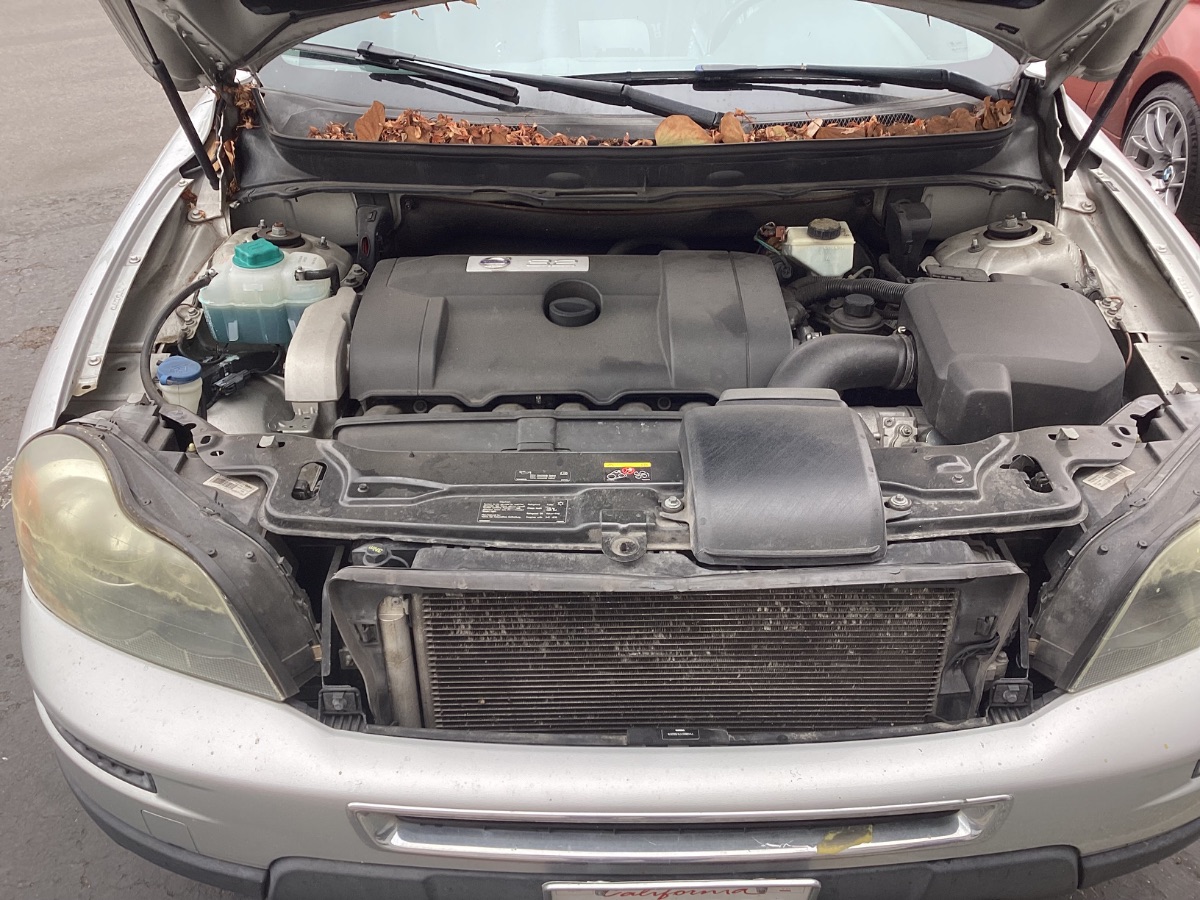
Coolant leaks often leave behind visible residue around the engine bay. When coolant evaporates, it can form a chalky white or rusty-colored build-up on hoses, clamps, or the radiator. These stains are warning signs that the cooling system has been compromised. A thorough visual inspection during routine auto repair can help you identify these leaks early and prevent further damage.
Another sign of a coolant problem in your BMW is overheating when the car is idling. If the engine temperature rises while stopped but cools once you start driving, it may point to a slow leak or poor circulation. This often means there is not enough coolant to keep the system stable under low airflow conditions. Addressing this issue promptly with a BMW repair specialist is essential to protect the engine and prevent breakdowns.
While leaks are easier to spot, burning coolant is a much more serious problem. This usually means the coolant is entering the combustion chamber or mixing with engine oil. Here’s how you can tell!
If you notice thick white smoke coming from your BMW’s exhaust, it can be a warning sign of a serious problem. Unlike condensation that disappears quickly on a cold morning, smoke from burning coolant lingers and often gets worse as the engine warms up. This usually means coolant is leaking into the combustion chamber where it should not be. Ignoring this issue can lead to costly BMW repair needs if left unresolved.
A sweet, syrup-like odor from the exhaust is another indicator of coolant burning inside your BMW’s engine. This smell is distinct and often noticed while driving or idling. It suggests coolant is entering the cylinders and being burned during the combustion process. If detected early, addressing this issue can help prevent larger BMW repair expenses down the road.
Coolant mixing with engine oil creates a milky, frothy substance that can be seen on the dipstick or under the oil cap. This is often the result of a blown head gasket or a cracked cylinder head. Both conditions are serious and require immediate BMW repair to prevent further engine damage. Driving with contaminated oil reduces lubrication and increases the risk of complete engine failure.
When coolant enters the combustion chamber, it can disrupt engine performance. Misfires, rough idling, and loss of power are common symptoms of burning coolant. Your BMW may feel sluggish or unresponsive, especially during acceleration. Catching this problem early with professional BMW repair can save you from expensive repairs and extended downtime.
BMWs are known for their advanced engineering, but they also have a few weak spots when it comes to cooling systems. Some of the most common problem areas we see at Oceanside Motorsports include the following!
BMW models use electric water pumps that are highly efficient but often fail as mileage increases. Many drivers experience issues between 60,000 and 90,000 miles, which can cause sudden overheating. A failing pump may show signs such as coolant leaks, unusual noises, or a temperature warning light. Replacing the water pump promptly is essential to protect your BMW engine and avoid costly repair needs.
The radiator plays a vital role in keeping your BMW’s engine cool during operation. Over time, the plastic end tanks are prone to cracking, which can lead to coolant leaks. A leaking radiator reduces the system’s ability to regulate engine temperature effectively. Regular inspection and timely BMW repair help prevent overheating and further engine damage.
BMW expansion tanks are designed to handle pressure, but with age, they often develop small cracks. These hairline fractures may cause coolant to escape slowly, making leaks difficult to detect at first. Drivers may notice a gradual drop in coolant levels without obvious puddles under the vehicle. Addressing expansion tank issues quickly ensures reliable cooling performance and prevents overheating.
The head gasket creates a seal between the engine block and cylinder head, but it can fail over time. Overheating or normal wear often leads to a blown gasket in BMW engines. When this happens, coolant can leak into the combustion chamber, causing white smoke or contaminated oil. Immediate BMW repair is necessary to avoid severe engine damage and high repair costs.
If you’re losing coolant in your BMW, the key question is whether it’s leaking externally or burning internally. Both require immediate attention, but burning coolant can cause far more serious damage if ignored.
The good news is that with the right care and expertise, these problems can be resolved before they turn into bigger issues. At Oceanside Motorsports, we’re passionate about helping BMW drivers protect their investment with expert BMW repair services.
So, if you’ve noticed low coolant levels, white smoke, or puddles under your car, don’t wait. Schedule an appointment with our team today and let us get your BMW back to peak performance.
LIFETIME OIL CHANGE MEMBERSHIP INCLUDES UP TO 3 OIL CHANGES PER YEAR – FOREVER. BUY THE PACKAGE AND NEVER PAY FOR ANOTHER OIL CHANGE AGAIN!