
343 Airport Rd.
760-721-5500
If you own a BMW equipped with the N20 engine, common in models like the 2012–2015 3 Series, 5 Series, and X3, you may have heard stories about timing chain failures.
At Oceanside Motorsports, we’ve seen more than our fair share of BMW repair cases involving worn or failed timing chains, especially on the N20. While this issue isn’t universal, it’s common enough that every BMW owner should understand what to look for and how to address it.
Here are the most common red flags that your N20 timing chain may be going bad!
If you hear a metallic rattling sound when starting your BMW or while it’s idling, it could be the timing chain. This noise often sounds like marbles shaking in a can. It usually means the timing chain is stretched or the guides are worn. This issue needs immediate BMW repair attention to avoid more serious damage.
A faulty timing chain can throw off your engine’s timing, causing the check engine light to come on. Fault codes like P0012, P0015, or P0016 often point to timing chain problems. These codes indicate issues with camshaft timing and are common in timing chain failures. While the check engine light can mean many things, timing-related warnings should never be overlooked.
A stretched timing chain can make your BMW run poorly or feel off. You may notice rough idling, hesitation when accelerating, or misfires. This happens when the engine’s timing is no longer in sync. Addressing these symptoms early with a BMW repair can save you from major engine problems.
Plastic debris from broken timing chain guides can contaminate your engine oil. This debris may clog oil passages and cause a drop in oil pressure, risking serious engine wear. A low oil pressure warning light is a critical alert you shouldn’t ignore. Have your BMW inspected by a qualified repair specialist immediately.
A broken or skipped timing chain can stop your engine from starting altogether. In severe cases, it can cause pistons to hit valves, damaging the engine. This often leads to bent valves or a complete engine failure. If your BMW cranks but doesn’t start—or makes loud knocking noises, stop driving and have it towed immediately.
BMW N20 timing chain failures are mainly caused by early wear on the tensioner and plastic chain guides. These parts degrade over time, especially in older models from 2012 to 2014. When they wear out, the chain loses tension and can slip or break. This is a known issue that BMW addressed in later updates.
Skipping oil changes or using poor-quality oil is a leading cause of timing chain problems. Dirty or old oil increases friction and accelerates wear on the chain components. The timing system relies on clean, well-lubricated oil to function properly. Regular synthetic oil changes are critical to protecting your engine.
As mileage increases, so does the chance of timing chain wear and failure. Engines that pass 80,000 to 100,000 miles without timing service are more likely to have stretched chains. Over time, the metal chain and plastic guides naturally degrade. A preventative inspection can help catch the problem before it turns severe.
Aggressive driving puts more stress on the engine, including the timing chain system. Rapid acceleration and high RPMs can cause faster wear on these parts. If you regularly push your BMW hard, it’s wise to monitor timing chain health more closely. Gentle driving habits can extend the life of your timing system.
Long idling in cold temperatures adds extra strain to the timing chain components. In cold weather, oil thickens and flows more slowly at startup, reducing lubrication. If your BMW idles frequently during cold mornings, this can accelerate guide and tensioner wear. Warming the engine gently and limiting idle time helps protect your engine.
Always use high-quality synthetic oil for your BMW’s engine. Stick to oil change intervals of 5,000 to 7,000 miles, even if the manual says 10,000. Cleaner oil reduces wear on the timing chain and guides. This small step can prevent major engine problems down the road.
Your engine will often give early warnings through unusual noises. Rattling, ticking, or knocking sounds should never be ignored. These may signal early timing chain issues or other internal problems. Catching these signs early can save you from expensive repairs.
Have your timing chain and related components inspected around 60,000 to 80,000 miles. Even without symptoms, preventative checks can catch hidden wear. Early detection is key to avoiding sudden breakdowns. Regular inspections are an essential part of long-term maintenance.
Not all mechanics understand BMW-specific issues. A specialist is more likely to notice subtle signs of timing chain wear. General repair shops might miss early warning signs unique to BMW engines. Always work with a technician familiar with German vehicles.
The BMW N20 timing chain issue is well-known, but with proper care, it doesn’t have to lead to engine failure. Knowing the warning signs and addressing them early can help protect your investment and extend the life of your BMW. Preventative maintenance and timely diagnostics are key to avoiding costly repairs.
If you’re in Oceanside or nearby and suspect a timing chain issue, reach out to Oceanside Motorsports. Our BMW repair specialists use factory-level diagnostics and have deep experience with German engines. We’ll provide transparent, expert advice to keep your vehicle running at its best. Schedule your BMW timing chain inspection with Oceanside Motorsports today because your car deserves expert care.

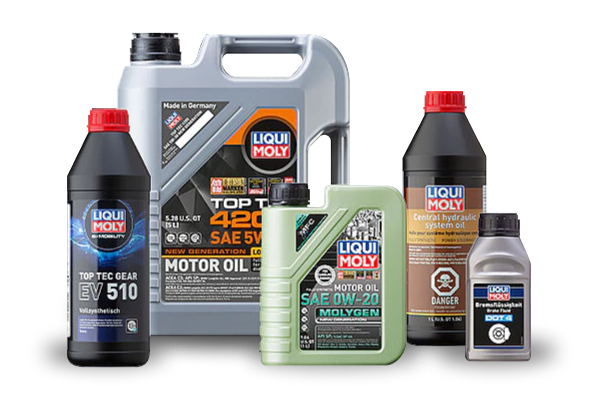
LIFETIME OIL CHANGE MEMBERSHIP INCLUDES UP TO 3 OIL CHANGES PER YEAR – FOREVER. BUY THE PACKAGE AND NEVER PAY FOR ANOTHER OIL CHANGE AGAIN!