
343 Airport Rd.
760-721-5500
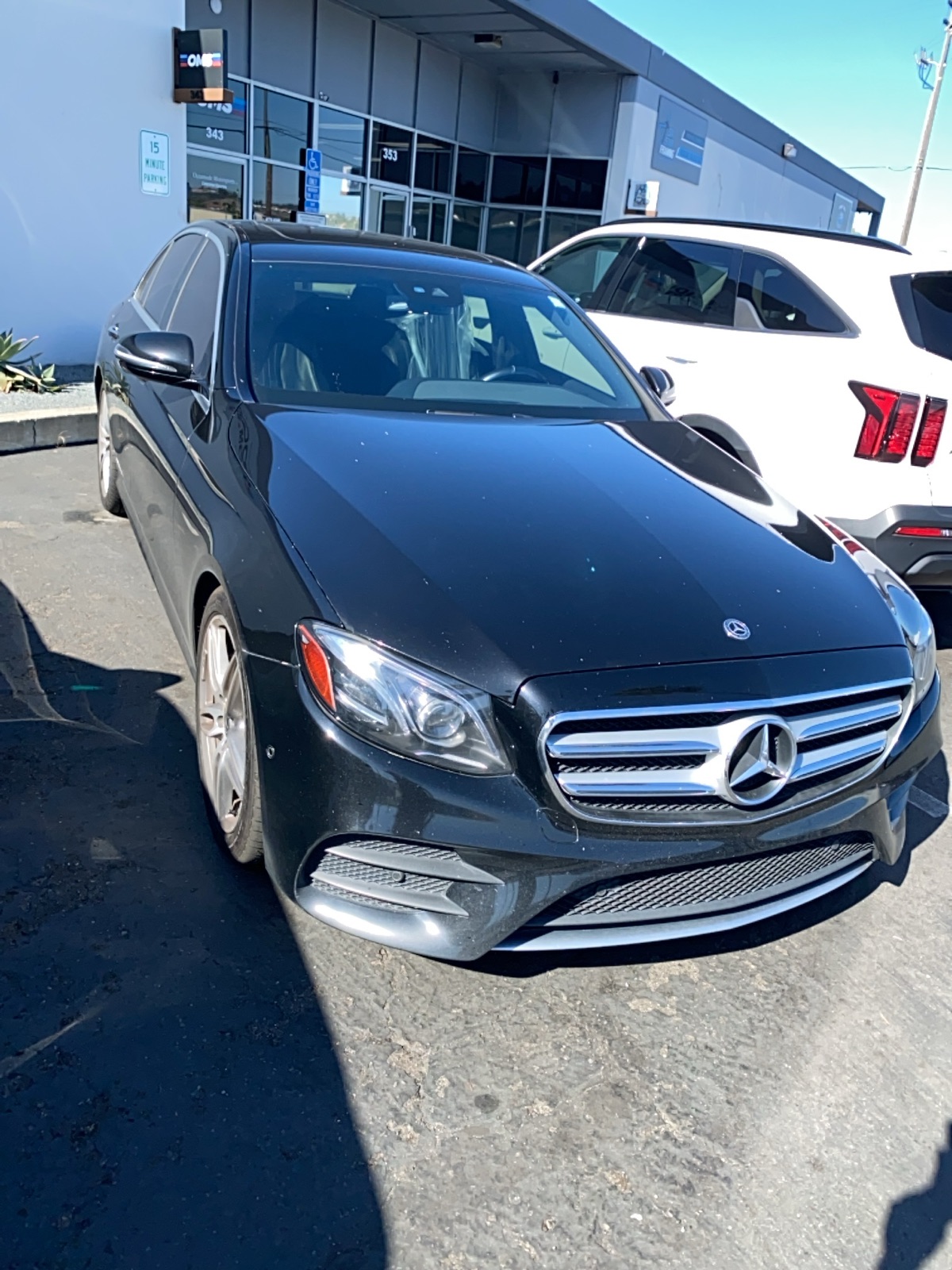
If your Mercedes starts making strange noises every time you press the gas pedal, it’s more than just annoying, it’s a warning sign. Whether it’s a rattling under the hood, a whining from the transmission, or a deep growl from the exhaust, unusual sounds during acceleration usually mean something isn’t working as it should.
At Oceanside Motorsports, we’ve seen it all when it comes to Mercedes repair. Our team of German vehicle specialists helps Southern California drivers pinpoint and resolve these performance-robbing noises before they lead to costly breakdowns. In this blog, we’ll walk you through the most common causes behind Mercedes acceleration noises and what you can do to keep your drive smooth, quiet, and reliable.
A loud or hissing noise when accelerating often points to an exhaust leak. This can be caused by a cracked manifold, worn-out gasket, or loose flange. These leaks let exhaust gases escape before reaching the muffler, creating a sharp sound. In many cases, you may also notice reduced fuel economy and a check engine light.
Engine mounts keep your Mercedes engine secure and absorb vibration. When they wear out, the engine can shift during acceleration and create thudding or clunking noises. These sounds often come from the engine bay or are felt through the cabin. Replacing damaged mounts helps restore smoothness and protects other drivetrain components.
If you hear whining or grinding during acceleration or while shifting, the transmission may be the cause. Worn clutch packs, low transmission fluid, or torque converter issues can create unusual sounds. Symptoms may also include delayed shifting or power loss. Catching these problems early can prevent major transmission damage.
A squealing sound under acceleration is often linked to a worn serpentine belt or misaligned pulley. Mercedes engines rely on belt-driven components like the alternator and AC compressor. When the belt slips or cracks, it creates high-pitched noises. Pulley and tensioner wear can also lead to persistent chirping or squeaking.
Clicking or humming noises during acceleration especially when turning are common signs of worn CV joints or wheel bearings. These parts wear down over time, particularly in high-mileage or AWD Mercedes vehicles. A failing wheel bearing produces a steady growl that gets louder with speed. Replacing these components helps prevent further suspension or steering issues.
A faint turbo whine is normal, but excessive noise could mean a problem. Worn turbo bearings or boost leaks can lead to louder whistling and reduced performance. You may also notice loss of power or smoke from the exhaust. Prompt repair is critical to prevent internal engine damage.
Whining or clunking from the rear of the car may signal driveline problems. The differential in rear-wheel or all-wheel-drive models can wear out due to low fluid or internal gear damage. These noises often increase during acceleration or when turning. Routine fluid maintenance and early repair help avoid expensive component failure.
Noises during acceleration are never something to ignore. They’re often early warnings of deeper issues and catching them early can save you thousands in repairs. Whether it’s a simple belt replacement or a more complex driveline problem, having your Mercedes inspected by a certified German car specialist is the best next step.
At Oceanside Motorsports, we’ve been serving the Mercedes community for years. Our ASE-certified technicians are trained specifically on German engineering, and we use factory-level diagnostic equipment to identify issues quickly and accurately.
If your Mercedes is making unusual noise when accelerating, it’s likely a symptom of an underlying mechanical issue. Addressing it early can save you from costly repairs and preserve your vehicle’s performance. Here are five professional tips to help prevent acceleration noise in your Mercedes.
Exhaust leaks, cracked manifolds, or loose heat shields are common culprits of acceleration noise. Schedule routine inspections to detect rust, broken welds, or worn gaskets before they worsen. Replace damaged components promptly to avoid increased noise and reduced engine efficiency. Keeping the exhaust system in optimal condition will reduce unwanted sounds and emissions.
Damaged mounts can cause the engine or transmission to shift excessively during acceleration, creating knocking or vibrating noises. Over time, rubber components deteriorate and lose their ability to absorb movement. A certified mechanic can check for signs of wear or sagging and recommend replacements as needed. Quality mounts help maintain a smooth, quiet drive.
Using high-quality, manufacturer-approved oil keeps your engine components lubricated and operating quietly. Low or dirty oil can lead to increased friction, causing rattling or grinding sounds under acceleration. Make it a habit to check fluid levels and adhere to Mercedes-Benz’s recommended service intervals. Proper lubrication plays a critical role in noise prevention.
Clunks or creaks when accelerating may be related to worn suspension components like control arm bushings, struts, or ball joints. These parts absorb road impact and stabilize the vehicle, when they wear out, they can amplify noise. Have your suspension system inspected at the first sign of unusual handling or noise. Preventive maintenance here ensures quieter and safer driving.
If your Mercedes uses rear-wheel or all-wheel drive, faulty CV joints or driveshaft components can produce clicking or grinding sounds when accelerating. Vibrations or jerky movement may accompany these noises. Certified technicians can evaluate and service the drivetrain to restore quiet, smooth performance. Timely action prevents further drivetrain damage and costly repairs.
We offer a full range of Mercedes repair services, from diagnostics and inspections to full engine and transmission work. Conveniently located and highly rated by local Mercedes owners, our shop is the trusted name for auto repair done right. Book your appointment today and experience the peace of mind that comes with expert service, clear communication, and quality care for you and your Mercedes.

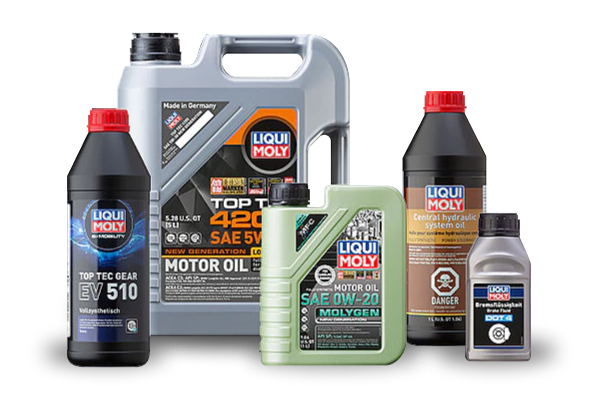
LIFETIME OIL CHANGE MEMBERSHIP INCLUDES UP TO 3 OIL CHANGES PER YEAR – FOREVER. BUY THE PACKAGE AND NEVER PAY FOR ANOTHER OIL CHANGE AGAIN!