
343 Airport Rd.
760-721-5500
If you’re driving a Mercedes-Benz and you’ve noticed a jerking sensation when you accelerate, it’s not something to ignore. While Mercedes vehicles are known for their smooth, refined performance, even the most well-engineered cars can develop issues over time. A jerking Mercedes is more than just a nuisance, it can be a sign of an underlying problem that requires professional diagnosis and repair.
At Oceanside Motorsports, we specialize in Mercedes repair and understand the intricacies of German engineering. Whether you drive a C-Class, E-Class, GLE, or AMG model, our certified technicians have the experience and tools to get your car back to peak performance. Let’s explore the most common reasons your Mercedes may jerk during acceleration and how professional auto repair services can resolve them.
The Mass Air Flow (MAF) sensor measures the amount of air entering your engine. A dirty or failing MAF sensor sends incorrect data to the engine control unit, leading to a poor air-fuel mixture. This can cause hesitation, rough idling, or jerky acceleration. Cleaning or replacing the sensor is often a quick and effective fix.
Jerking during acceleration may be a sign of transmission issues. Low fluid, worn internal parts, or software glitches can all affect smooth shifting. Mercedes vehicles rely on precise transmission function, so even minor faults can cause noticeable problems. Timely diagnostics and maintenance help prevent serious damage.
Problems in the fuel system can lead to inconsistent engine performance. Dirty fuel filters, clogged injectors, or a weak fuel pump can restrict fuel flow. This often causes hesitation or stuttering when you accelerate. Regular fuel system maintenance is key to avoiding these problems.
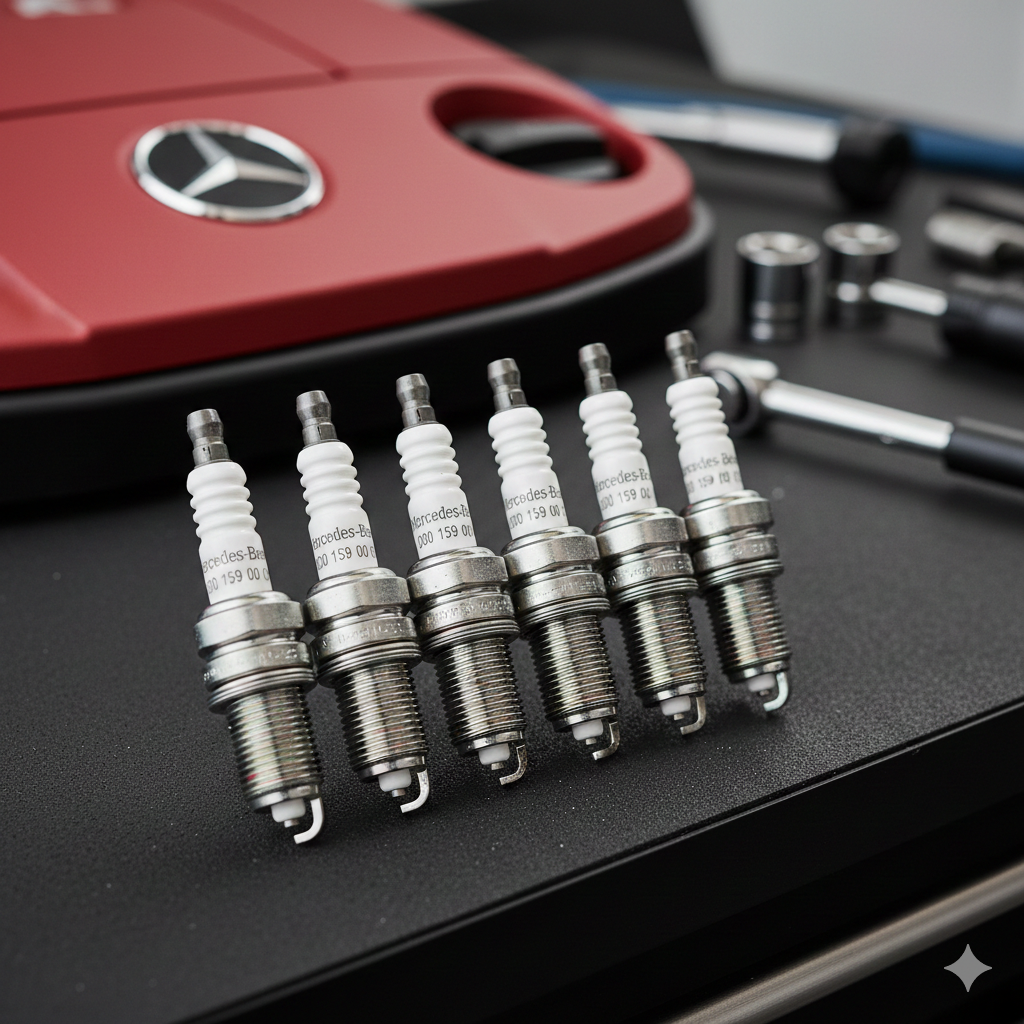
Worn spark plugs or faulty ignition coils can lead to misfires. Misfires cause your Mercedes to jerk or hesitate, especially under load. These components wear down over time and should be replaced at regular intervals. Preventive maintenance helps keep your ignition system running smoothly.
Engine and transmission mounts are designed to hold the drivetrain in place. When these mounts wear out, they can’t absorb movement effectively. This results in jolts or jerks during acceleration or gear changes. Replacing damaged mounts can restore driving comfort and stability.
Vacuum systems help manage air intake and emissions in your engine. Leaks in hoses or intake components can lead to poor engine performance. Symptoms often include rough idling, stalling, or jerking while driving. Testing for leaks ensures accurate diagnosis and proper repair.
Follow the factory-recommended service intervals for your Mercedes-Benz. Regular maintenance helps catch small issues like worn spark plugs or dirty sensors before they cause performance problems. Keeping up with oil changes, air filter replacements, and scheduled inspections is key. Prevention is always less costly than major repairs.
Pay close attention to how your transmission shifts. Hesitation, slipping, or rough gear changes are early signs something may be wrong. Don’t ignore unusual behavior—get it checked before it leads to costly internal damage. Periodic transmission fluid checks and software updates can keep things running smoothly.
Poor fuel quality can lead to clogged injectors and fuel system issues. Always fill up at reputable stations and consider using fuel system cleaners periodically. These additives help prevent buildup and ensure proper fuel delivery. Clean fuel means better combustion and fewer drivability problems.
Dust, leaks, or cracks in your intake or vacuum lines can disrupt engine performance. Regularly inspect hoses and air filters for wear or damage. A clean air intake system ensures accurate sensor readings and stable engine behavior. Don’t overlook this simple but crucial area.
Delaying the replacement of worn mounts, coils, or sensors only worsens the problem. As parts degrade, they place extra stress on your engine and drivetrain. Addressing these issues early improves your vehicle’s longevity and comfort. When in doubt, have a professional technician perform a diagnostic scan.
Your Mercedes deserves precision care to maintain its smooth and responsive performance. Jerky acceleration is often a sign of deeper mechanical or electronic issues that shouldn’t be ignored. At Oceanside Motorsports, we specialize in diagnosing and repairing Mercedes vehicles with the attention to detail they require.
If you’re located in Oceanside or North County San Diego, schedule an appointment with Oceanside Motorsports today—your trusted destination for expert Mercedes repair and maintenance.


LIFETIME OIL CHANGE MEMBERSHIP INCLUDES UP TO 3 OIL CHANGES PER YEAR – FOREVER. BUY THE PACKAGE AND NEVER PAY FOR ANOTHER OIL CHANGE AGAIN!