
343 Airport Rd.
760-721-5500
One of the most overlooked, yet essential components in that maintenance checklist is the engine air filter. At Oceanside Motorsports, where precision and performance are our passion, we often see BMWs come in with clogged or neglected filters, and the drivers are shocked at how something so small could impact their vehicle so much.
If you’re searching for professional BMW repair services or just trying to understand what your engine needs, you’re in the right place. In this blog, we’ll break down the signs your BMW engine filter needs replacing, what it actually does, and why ignoring it could cost you more than just horsepower.
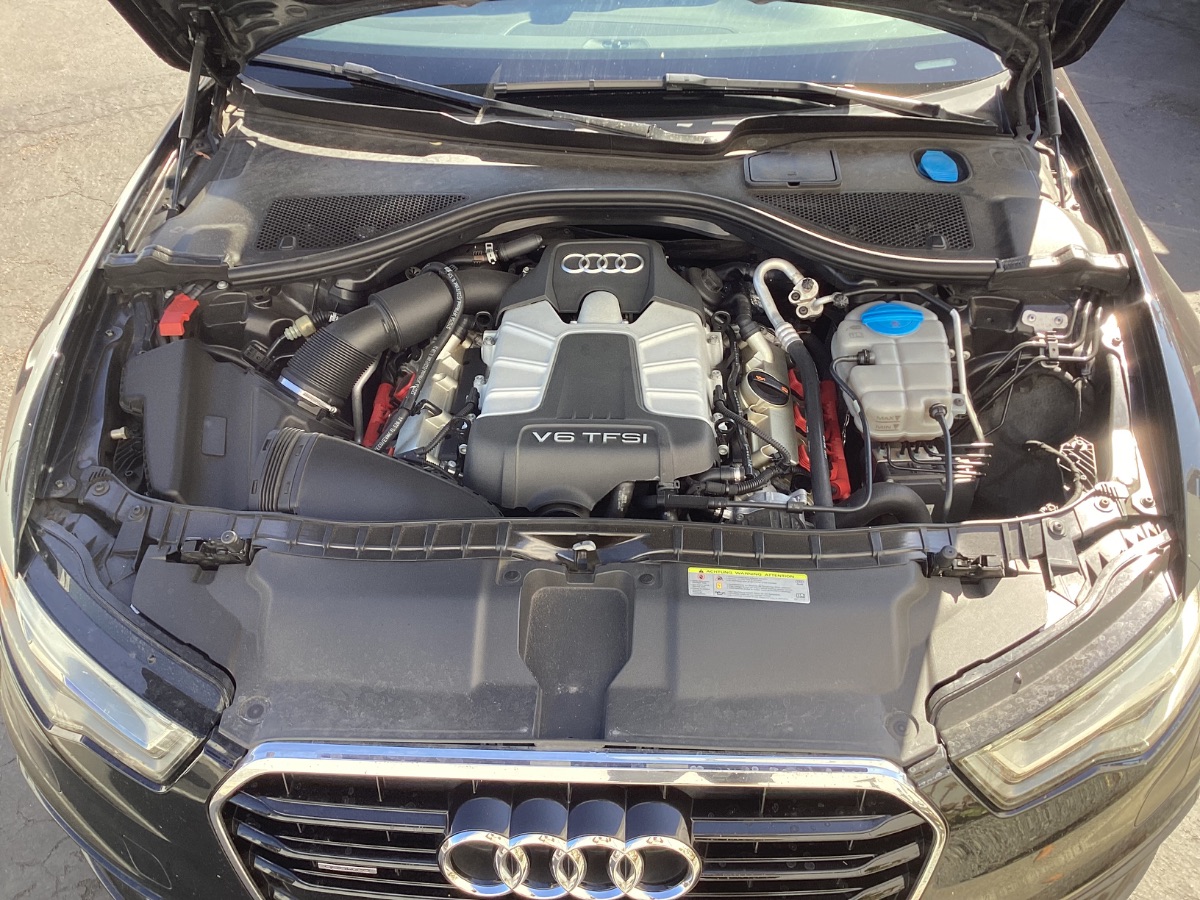
Before diving into replacement timing, let’s quickly understand the role of the engine air filter. Your BMW’s engine requires a precise mixture of air and fuel to combust efficiently. The engine filter ensures that the air entering the combustion chamber is free of dust, pollen, debris, and contaminants. This keeps your engine clean, improves fuel efficiency, and helps you get the most out of every drive.
At Oceanside Motorsports, we often describe the filter as your engine’s first line of defense. A clean filter means smoother acceleration, better gas mileage, and a longer engine life. A dirty one? Well, let’s just say your BMW deserves better.
One of the earliest signs of a clogged engine filter is reduced acceleration. When airflow to the engine is restricted, your BMW struggles to perform at its usual level. It may feel slower or less responsive when you hit the gas. This is a clear indication your engine isn’t getting the air it needs.
A dirty air filter can cause your engine to burn more fuel than necessary. When airflow drops, the engine compensates by increasing fuel intake. This leads to lower miles per gallon and more frequent stops at the pump. If your fuel efficiency suddenly drops, the air filter could be to blame.
Insufficient airflow results in incomplete combustion, pushing unburned fuel out through the exhaust. This may show up as black smoke or a strong fuel odor behind the car. It’s not just harmful to the environment—it can signal engine trouble ahead. Addressing the filter early can prevent more serious issues.
Visual inspection is a quick and effective way to spot a problem. A clean engine filter is usually white or off-white, while a dirty one looks gray or black with debris. If it appears clogged or discolored, replacement is recommended. Always check the condition if you’re unsure about its age.
Restricted airflow can cause the engine to run too rich—too much fuel and not enough air. This imbalance can lead to misfires, rough idling, or hesitation during acceleration. You might feel the engine shake or stumble at stoplights. A new air filter can help restore smooth performance.
BMW recommends replacing the engine air filter every 15,000 to 30,000 miles, depending on your driving conditions. However, if you regularly drive in dusty areas, near the beach, or through stop-and-go traffic in Oceanside, you may need to change it more frequently.
At Oceanside Motorsports, we tailor maintenance schedules to fit our local customers’ lifestyles and driving habits. That’s why so many BMW drivers in the area trust us to keep their vehicles running clean and strong.
Replacing your BMW’s engine filter is a relatively low-cost maintenance item. Ignoring it, however, can lead to far more expensive issues. Dirty filters can cause the following!
When dirt and debris bypass the air filter, they enter the engine and cause internal abrasion. Over time, this wears down components like pistons, valves, and cylinder walls. The result is reduced compression and power output. Without clean airflow, your engine’s lifespan is significantly shortened.
Contaminated air can disrupt fuel atomization and combustion. This places added stress on the fuel injectors and fuel pump as they work harder to compensate. Over time, the system becomes less efficient and more prone to failure. Regular air filter maintenance helps preserve these critical components.
Mass airflow (MAF) sensors rely on clean air to measure intake volume accurately. When dust and dirt build up on the sensor, it sends incorrect data to the ECU. This can lead to poor fuel mixture, rough idling, and engine hesitation. A dirty air filter is often the root cause of sensor malfunction.
Dirty filters contribute to an imbalanced air-fuel ratio, which leads to incomplete combustion. This increases harmful emissions such as hydrocarbons and carbon monoxide. Vehicles with restricted airflow often fail state emissions tests. Keeping the filter clean is key to passing inspections and protecting the environment.
At Oceanside Motorsports, we specialize in BMW repair that goes beyond basic service. We’re committed to helping drivers in the Oceanside community protect their investment and keep their BMWs in top shape, mile after mile.
If you’re not sure when your last engine filter replacement was or you’re seeing signs it might be time, we are here to help. Our team of experienced German mechanics offers honest recommendations and precision service that’s tailored to your vehicle. Schedule an appointment today, or stop by the shop!


LIFETIME OIL CHANGE MEMBERSHIP INCLUDES UP TO 3 OIL CHANGES PER YEAR – FOREVER. BUY THE PACKAGE AND NEVER PAY FOR ANOTHER OIL CHANGE AGAIN!