

343 Airport Rd.
760-721-5500
If you drive a Mercedes-Benz and recently noticed an oil leak coming from the engine bay, it could very well be coming from the oil filter housing. This is a common issue in many Mercedes models and can lead to serious engine problems if not addressed promptly. At Oceanside Motorsports, we specialize in Mercedes repair, and we’ve seen firsthand how a leaking oil filter housing can impact vehicle performance and longevity.
In this blog, we’ll explore what the oil filter housing is, why it commonly leaks, and what you should do if you notice a leak.
Before you can fix a problem, you need to identify it. Here are some of the most common symptoms that your oil filter housing is leaking. If you notice any of these symptoms, it’s essential to schedule a Mercedes repair inspection with a qualified mechanic. Our team at Oceanside Motorsports can diagnose the issue quickly and accurately.
If you notice oil seeping around the oil filter cap or housing, it may indicate a worn-out gasket or improperly tightened filter. Over time, rubber seals can degrade and lose their ability to maintain a tight seal. This allows oil to escape during engine operation, leading to buildup in the surrounding area. Regular inspections during oil changes can help identify this early.
Fresh oil spots under your vehicle after parking are a clear sign of an active leak. This could stem from the oil pan, drain plug, or filter housing. Ignoring this issue can lead to progressively lower oil levels and potential engine damage. Prompt diagnosis ensures a minor issue doesn’t become a major repair.
A burning oil smell is often caused by oil leaking onto hot engine components like the exhaust manifold. This creates a distinct, pungent odor that’s noticeable after driving. It’s a warning sign that should not be ignored, as it may also present a fire hazard. Addressing leaks early prevents both performance issues and safety risks.
If your dashboard displays an oil pressure warning light or you notice consistently low oil levels, a leak or excessive consumption is likely. Low oil levels reduce the engine’s ability to stay properly lubricated. This can cause increased friction, overheating, and internal engine damage. Regular oil checks are essential for early detection and prevention.
An engine that overheats or runs roughly may be suffering from low oil levels caused by a leak. Oil not only lubricates but also helps cool engine components. Without adequate oil, the engine works harder, generating excess heat and stress. Left unchecked, this can lead to serious engine failure or costly repairs.
A failed gasket is the most common reason for oil filter housing leaks. The gasket forms a crucial seal between the oil filter housing and the engine block. Over time, heat and engine vibrations cause the gasket material to harden, shrink, or crack. Once compromised, it allows oil to escape and collect around the housing.
Improper installation of the oil filter or housing can easily result in leaks. Using incorrect torque settings, over-tightening, or under-tightening the cap disrupts the seal. Additionally, using the wrong oil filter can prevent proper fitment. These errors often lead to premature gasket failure or housing leaks.
The oil filter housing itself can become damaged over time. Continuous heat exposure or using substandard aftermarket parts can cause the housing to warp or crack. This is especially true for housings made from plastic or other non-metal materials. Once damaged, the housing can no longer maintain a reliable seal.
Certain vehicles, including many Mercedes models, use an oil filter cap with an integrated O-ring. This seal can degrade with age or if not replaced during service. A failed O-ring allows oil to seep out while the engine is running. Regular replacement of this seal is essential to prevent leaks.
Adhering to the recommended service schedule is critical for preventing oil leaks. Regular maintenance ensures components like gaskets and seals are inspected and replaced before failure. Delaying service increases wear and the risk of leaks. Timely care helps extend the life of your engine.
Always use oil and filters that meet Mercedes-Benz specifications. Using off-brand or incompatible parts can compromise seals and filtration. This increases the chance of oil leakage and engine damage. Genuine parts ensure proper fit and optimal performance.
A qualified German mechanic understands the unique engineering of Mercedes-Benz vehicles. Their expertise ensures proper diagnosis and precision repairs. Generic shops may overlook critical details specific to your model. Specialist care helps maintain reliability and performance.
Gaskets and seals wear over time and should be replaced as part of routine maintenance. Ignoring aging components can lead to costly oil leaks. Preventative replacement is more cost-effective than emergency repairs. Regular inspections help catch issues early.
A leaking oil filter housing is more than just a minor nuisance—it can compromise your engine’s performance and safety. Don’t wait until a small leak turns into a costly repair. Trust the experts at Oceanside Motorsports for reliable and professional Mercedes repair.
Contact us today to schedule your inspection or learn more about our maintenance packages.


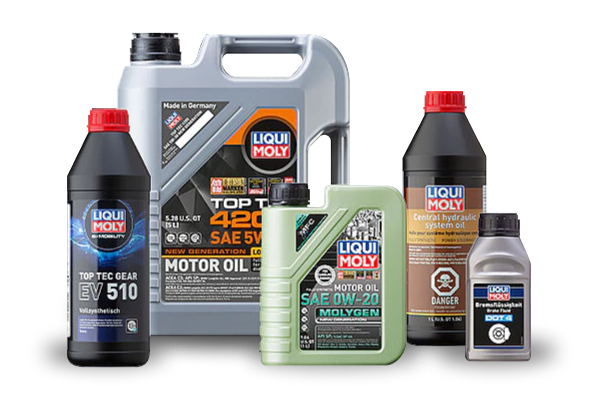
LIFETIME OIL CHANGE MEMBERSHIP INCLUDES UP TO 3 OIL CHANGES PER YEAR – FOREVER. BUY THE PACKAGE AND NEVER PAY FOR ANOTHER OIL CHANGE AGAIN!