

343 Airport Rd.
760-721-5500
Engine oil is the lifeblood of your Audi. It lubricates internal components, reduces friction, and helps regulate engine temperature. When an oil leak occurs, it compromises engine performance and may lead to costly damage if left unaddressed.
At Oceanside Motorsports, we specialize in premium Audi repair services and have seen firsthand how undiagnosed oil leaks can snowball into major mechanical issues. In this guide, we break down the most common symptoms of an engine oil leak in your Audi and what you should do if you suspect one.
One of the most apparent signs of an oil leak is a dark brown or black puddle beneath your vehicle after it’s been parked. These oil spots typically appear near the front or center of your car. This symptom should never be ignored. Even a few drops can indicate a leak in the valve cover gasket, oil pan, or rear main seal.
If you’re catching whiffs of burning oil while driving or after turning off your Audi, it likely means oil is leaking onto hot components such as the exhaust manifold. This can not only damage engine parts but also pose a fire hazard. If you smell burning oil, schedule a professional Audi repair inspection immediately.
If your oil level drops unusually fast between oil changes, it may indicate a leak. Many modern Audi models have electronic oil level sensors that notify you on the dashboard when oil is low. If you’re constantly topping off your oil, it’s time for a thorough inspection.
Your Audi’s oil pressure warning light is a critical indicator that shouldn’t be ignored. A leak may cause a drop in oil pressure, triggering this light. Continuing to drive under these conditions can result in severe engine damage, including a seized engine.
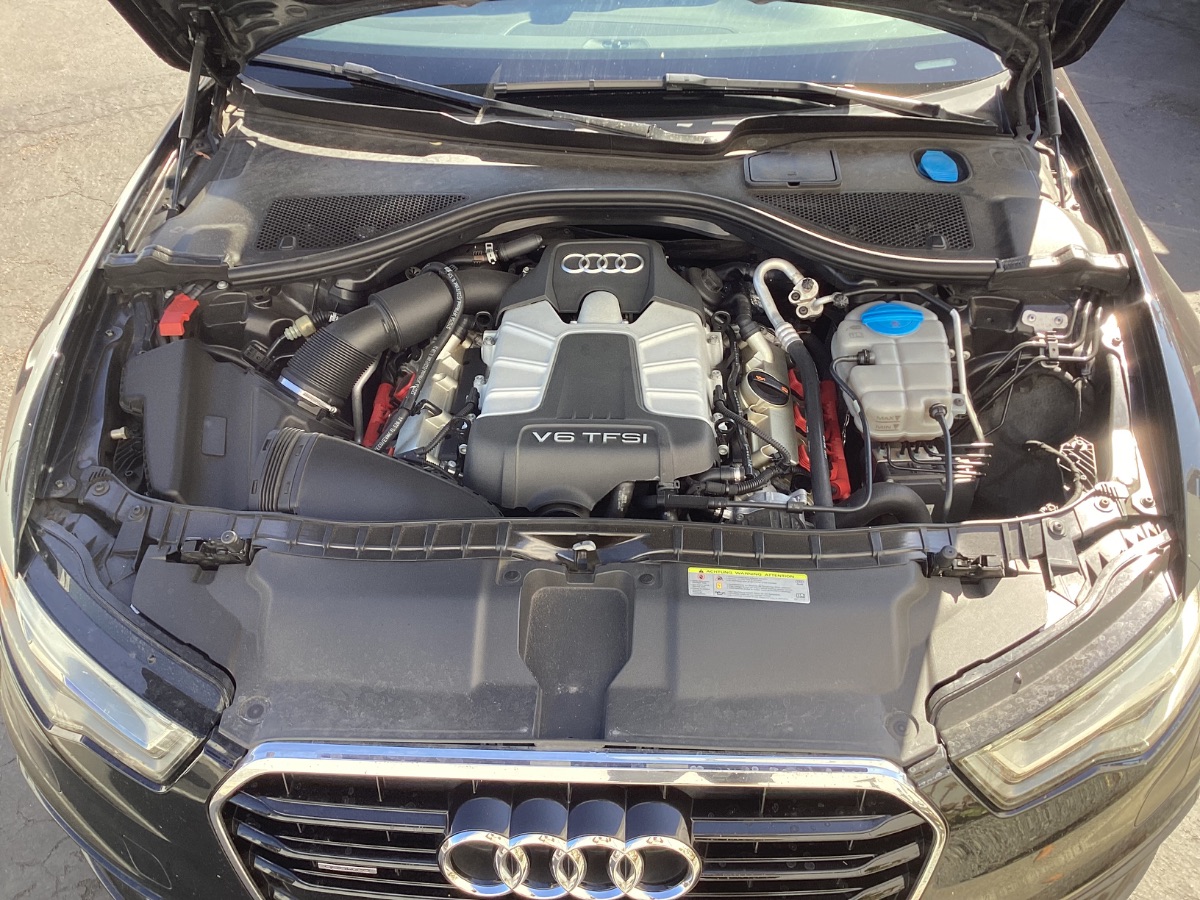
Oil leaks that seep into spark plug wells or ignition components can lead to misfires, rough idling, and reduced fuel efficiency. This is particularly common in models with faulty valve cover gaskets or aging turbo systems. Our team at Oceanside Motorsports frequently services models like the Audi A4, Q5, and A6, which are prone to oil seepage in high-mileage engines. Through precise diagnostics, we identify affected components and restore optimal engine performance.
If you notice blue-tinted smoke coming from your tailpipe, it may mean engine oil is entering the combustion chamber. This condition is typically due to worn piston rings, valve seals, or turbocharger failure—serious issues that require immediate Audi repair. Our German car specialists are equipped to perform comprehensive engine inspections and rebuilds when necessary, always using OEM or better-quality components.
Over time, the valve cover gasket, made of rubber, can deteriorate due to heat and age. As it hardens and cracks, it loses its sealing capability. This allows engine oil to seep out and travel down the engine block. If left unaddressed, it can lead to low oil levels and potential engine damage.
The oil pan is located on the underside of the engine and is vulnerable to impact. Striking road debris or scraping over high speed bumps can cause dents or punctures. A compromised oil pan may result in slow leaks or sudden oil loss. Prompt inspection is crucial to prevent further engine complications.
Camshaft seals are responsible for preventing oil from leaking out around the camshaft. In older Audi engines, these seals can degrade over time and begin to leak. The leak is often slow but persistent, leading to oil accumulating near the front of the engine. Replacing these seals restores proper oil retention and engine cleanliness.
The rear main seal is a critical gasket located between the engine and transmission. When it fails, it typically results in a substantial oil leak. Repairing it often requires removing either the engine or the transmission, making it a labor-intensive job. Despite the complexity, replacement is essential to prevent long-term damage.
In turbocharged Audi models, oil lines feed and return oil to the turbocharger for cooling and lubrication. These lines are under constant pressure and high heat, making them susceptible to wear and leaks. When they leak, oil can drip near hot components, increasing the risk of smoke or fire. Regular inspection of these lines is key to avoiding costly repairs.
Routine oil changes are essential for maintaining proper engine lubrication and longevity. Always follow Audi’s recommended service intervals for optimal performance. Using only Audi-approved synthetic oils helps protect sensitive engine components. Clean oil also reduces the risk of sludge buildup that can contribute to gasket and seal wear.
During every service visit, a thorough inspection of seals, gaskets, and the undercarriage is crucial. Catching small leaks early can prevent major repairs down the road. Our technicians look for oil residue and other signs of deterioration. This proactive approach ensures your Audi stays in peak condition.
Turbocharged engines operate under high heat and pressure, making regular checks essential. Oil feed and return lines should be inspected for wear, cracks, or leaks. Early detection of any issues can prevent turbocharger failure. Proper turbo maintenance contributes to both performance and reliability.
The PCV valve regulates engine pressure and prevents oil from escaping through seals. If it malfunctions, pressure can build up and force oil past gaskets. This often leads to leaks in multiple engine areas. Regular checks of the PCV system help maintain balanced pressure and minimize leak risks.
Ignoring an oil leak can lead to serious engine damage, reduced fuel economy, and higher repair costs down the road. Whether you’re dealing with a minor drip or a major leak, Oceanside Motorsports is your go-to source for Audi repair in Oceanside and surrounding areas.
Book your inspection today and experience the difference of working with a team that knows your Audi inside and out.


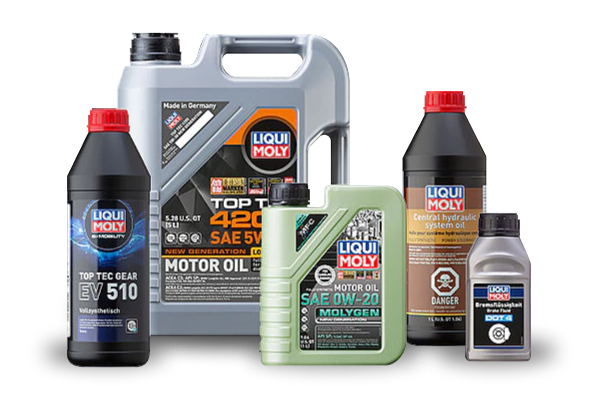
LIFETIME OIL CHANGE MEMBERSHIP INCLUDES UP TO 3 OIL CHANGES PER YEAR – FOREVER. BUY THE PACKAGE AND NEVER PAY FOR ANOTHER OIL CHANGE AGAIN!