

343 Airport Rd.
760-721-5500
One common concern among BMW owners is oil consumption. If you’ve noticed your BMW is losing oil but there’s no visible leak, you might be wondering what’s going on. This issue can be puzzling and frustrating, but it’s not uncommon. Understanding why your BMW is losing oil can help prevent costly repairs and ensure your engine remains in top condition.
At Oceanside Motorsports, we specialize in BMW repair and maintenance, helping owners diagnose and resolve oil consumption issues. Here’s a detailed look at why your BMW might be losing oil without a noticeable leak.
BMW engines are high-performance engines, but over time internal parts such as piston rings and valve seals wear out. Worn piston rings provide openings for oil to pass into the combustion chamber where it is burnt. Similarly, worn valve seals allow a little bit of oil to pass through into the chamber, causing oil consumption. Even old gaskets can be a cause of internal oil loss as they wear out and allow oil to leak in where it will be burned instead of escaping outside.
Turbocharged BMW models like the 3 Series, 5 Series, and M models use oil for lubrication and turbocharger cooling. When the turbocharger seals are worn out or damaged, oil leaks into the combustion chamber, where it is burned off. This leads to excessive oil loss without visible leaks. In this scenario, the turbocharger may require attention to avoid continued oil consumption.
The Positive Crankcase Ventilation (PCV) system controls engine blow-by gases and recirculates them to the intake manifold. A clogged or faulty PCV valve can cause excessive oil consumption by drawing oil vapor into the intake. The oil vapor burns off during combustion. Blue exhaust smoke, excessive oil consumption, and rough engine idle are symptoms of a failing PCV valve.
BMW engines, especially performance engines, run hot. If you drive aggressively often or drive long distances, engine oil will evaporate over time. This leaves you with decreased levels of oil over time, even without any apparent leaks. While this oil loss is not noticeable, it can create an increased need for more frequent oil top-offs between oil changes.
BMW engines demand special high-performance synthetic oils best suited for maximum lubrication. Using the improper oil viscosity or sub-standard oil will cause higher oil consumption. Always check your BMW’s owner’s manual to use the proper oil. Improper oil usage can result in long-term engine problems, such as excessive oil burn.
BMW’s proposed oil change frequency is meant for newer cars, but older engines could use more frequent oil changes. With age, internal engine parts deteriorate, and more oil is consumed. Reducing the oil change frequency helps minimize this problem and maintains the engine at its best. Regular changes prevent possible damage and maintain oil consumption.
The catalytic converter can at times conceal the symptoms of oil burning by burning off excess oil before it is apparent as smoke. This complicates the detection of internal oil burning problems. Although the oil is burned off within the converter, it still leads to oil loss. If you experience abnormal oil consumption and no leaks, the catalytic converter might be concealing the real cause of the problem.
Use BMW-approved synthetic oil for proper lubrication and performance of the engine. The incorrect use of oil can result in excess consumption and damage to the engine. Use your owner’s manual to determine the right viscosity and formulation.
Regular stop-and-go driving, hard acceleration, and harsh temperatures can affect oil life. Adjust your oil change frequency according to your driving pattern to avoid overconsumption of oil. More frequent changes keep the engine in good condition, particularly for older BMWs.
Regularly checking your oil level will help you detect any unforeseen loss of oil early. BMW engines tend to use oil over time, so monitoring levels will help you avoid running low. Low oil levels can damage the engine if not corrected.
A faulty PCV system can result in high oil consumption by sucking oil vapor into the intake. Check the PCV valve and hoses every so often and replace them if they are clogged or worn out. A working PCV system assists in internal pressure regulation and minimizes oil loss.
Regular checks aid in the detection of early wear in the engine and turbocharger seals. Fixing small leaks or worn parts early on can avoid extensive oil loss and expensive repairs. Preventive maintenance keeps your BMW running smoothly and extends engine life.
If your BMW is losing oil but you can’t find any leak, it might be a result of internal burning, PCV system malfunction, turbocharger problems, or even oil evaporation. Knowing these possible causes will assist you in taking action to avoid engine damage.
For professional BMW repair, come to Oceanside Motorsports. Our experienced BMW mechanics will diagnose the oil consumption problem on your BMW and offer the best service available to keep your car on the road. Contact us to schedule an appointment today and maintain your BMW at its peak performance!


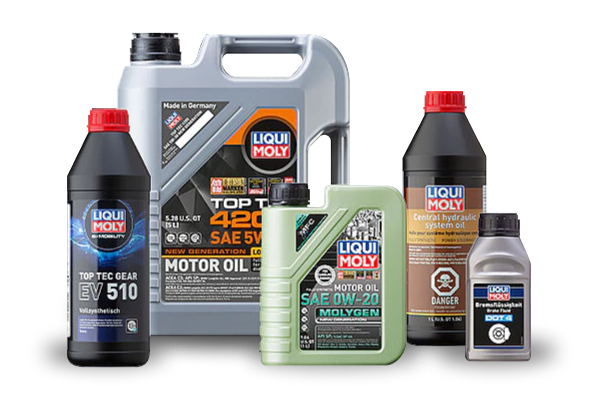
LIFETIME OIL CHANGE MEMBERSHIP INCLUDES UP TO 3 OIL CHANGES PER YEAR – FOREVER. BUY THE PACKAGE AND NEVER PAY FOR ANOTHER OIL CHANGE AGAIN!