
343 Airport Rd.
760-721-5500
The timing chain is a crucial component of your BMW’s engine, responsible for synchronizing the camshaft and crankshaft. Unlike timing belts, which require regular replacement, timing chains are designed to last longer. However, they are not immune to wear and tear.
Over time, the timing chain may stretch, wear down, or even fail, leading to severe engine damage if not addressed promptly. Knowing when to replace your BMW’s timing chain is essential to maintaining the performance and longevity of your vehicle.
Though timing chains are built to last, they can develop issues over time. Here are some common signs that indicate your BMW timing chain may need to be replaced.
One of the first symptoms of a failing timing chain is a rattle, particularly at startup or idling. It occurs when the loose or stretched chain slams against guides or tensioners. This will cause damage to surrounding components with wear over time. Failure to heed the rattle can lead to extensive engine damage or failure.
A malfunctioning timing chain can result in incorrect valve timing, which activates the check engine light. If your CEL is on in your BMW, it’s essential to have the problem diagnosed immediately. Postponing repairs can result in other issues, such as engine misfires or reduced fuel efficiency. A professional diagnostic scan can determine whether the timing chain is at fault.
A stretched timing chain may lead to misfiring, rough idling, hesitation, and low power. This is because the timing of the engine becomes irregular, compromising combustion efficiency. The condition may advance to stalling or engine failure if left uncorrected. A timing chain check should be a priority when performance problems occur.
Worn guides and timing chains release metal shavings into the engine oil. The shavings are a sign of excessive wear and can further damage engine parts. Mechanics tend to find this problem during normal oil changes, so regular maintenance is crucial. When metal shavings are discovered, inspection and repair must be done immediately.
If the timing chain elongates too far or skips a tooth on the gears, the engine might have trouble starting. In the worst-case scenario, it can even fail to start because the valves and pistons are misaligned. It can also cause backfiring or strange cranking noises. It is possible to avoid expensive engine repairs if the problem is detected early.
Even though BMW incorporates the best-quality material in their timing chains, there have been specific models more subject to early wear, specifically the ones fitted with the N20, N26, and N63 engines. These engines are used in such models as the BMW 3 Series, 5 Series, X3, and X5, and all of these models have been subjected to timing chain elongation as well as breakage issues. Regular maintenance as well as examination is highly recommended for such cars.
Unlike timing belts, with fixed replacement schedules, BMW timing chains are engineered to be the life of the engine. Nevertheless, based on driving conditions, maintenance history, and engine type, replacement can be required as early as 80,000 to 120,000 miles. For BMW drivers who drive aggressively, frequently stop and start in traffic, or don’t have regular oil changes, the timing chain can wear out faster.
High-quality and clean oil keeps the timing chain well-lubricated, eliminating friction and wear. Keep to BMW’s recommended oil change schedule to ensure engine health. Use the recommended oil supplied by the manufacturer to optimize performance and lifespan. Skipping oil changes can cause premature timing chain failure and expensive repairs.
Rattling, clicking, or any other unusual engine noise may be early warning signs of a failing timing chain. These signals tend to indicate a loose or stretched chain requiring prompt attention. Disregarding them may lead to more serious engine deterioration in the long run. In case you notice something unusual, get your BMW checked by a professional immediately.
A check engine light should never be dismissed, as it may indicate severe issues, such as timing chain problems. It is possible to avoid further damage and costly repairs by diagnosing the problem early. Engine misfires, rough idling, or decreased performance usually come with a CEL for timing issues. Always have the light inspected using a professional diagnostic tool to identify the cause.
When your BMW requires a new timing chain, always select OEM or good-quality aftermarket replacement parts. Lower-quality parts have a tendency to wear out in a short while and cause early failure. Making an investment in strong components gives you long engine reliability and durability. A high-quality timing chain replacement can avoid expensive future repairs.
Don’t let a worn timing chain put your engine at risk. If you’ve noticed any of the warning signs mentioned above, schedule an inspection with Oceanside Motorsports today. Our dedicated team will ensure your BMW remains in top shape, delivering the performance and reliability you expect from a luxury vehicle.
Contact us now to book an appointment and experience expert BMW repair services tailored to your needs!


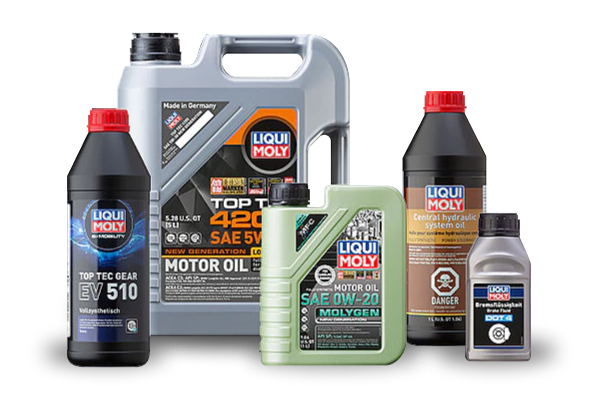
LIFETIME OIL CHANGE MEMBERSHIP INCLUDES UP TO 3 OIL CHANGES PER YEAR – FOREVER. BUY THE PACKAGE AND NEVER PAY FOR ANOTHER OIL CHANGE AGAIN!