
343 Airport Rd.
760-721-5500
When it comes to BMW performance and reliability, the cooling system plays a crucial role in maintaining engine efficiency and preventing overheating. One of the most vital components of this system is the radiator.
But how long does a BMW radiator last, and what can BMW owners do to extend its lifespan? If you’re searching for BMW repair in Oceanside, this guide will help you understand your radiator’s longevity and when to visit Oceanside Motorsports for expert service.
BMW radiators are generally built to last between 80,000 and 120,000 miles, depending on driving habits, maintenance routines, and environmental conditions. Some BMW owners may see their radiators last even longer with proper care, while others might experience issues sooner due to extreme weather, heavy driving, or lack of cooling system maintenance.
Regular coolant flushes are essential for preventing corrosion and buildup inside the radiator. Over time, old coolant can break down, leading to blockages that reduce efficiency. BMW recommends using OEM-approved coolant to ensure compatibility and longevity. Neglecting coolant maintenance can lead to overheating and costly repairs.
Frequent stop-and-go driving, towing, and driving in high-temperature areas put extra stress on your cooling system. High engine loads generate excess heat, making proper radiator function critical. In extreme conditions, coolant may degrade faster, reducing its effectiveness. Routine inspections help identify early signs of overheating or coolant deterioration.
Radiators can develop cracks or leaks due to thermal expansion, road debris, or minor accidents. Even a small coolant leak can cause the engine to overheat if left unchecked. Regularly inspecting hoses and radiator connections can help catch issues early. Addressing leaks promptly prevents costly engine damage and breakdowns.
A failing thermostat can get stuck open or closed, leading to improper coolant circulation. Similarly, a malfunctioning water pump can prevent coolant from flowing efficiently, causing overheating. Both components play a crucial role in maintaining engine temperature. Replacing worn-out parts on time can extend the life of your radiator and engine.
Using non-OEM or low-quality parts may compromise your radiator’s performance and durability. Aftermarket parts may not fit properly, leading to leaks or inefficient cooling. High-quality replacements ensure optimal heat dissipation and system reliability. Investing in OEM-approved components helps prevent premature failures and costly repairs.
If you notice puddles of coolant under your car, it could indicate a radiator leak. Leaks can result from cracks, worn-out hoses, or loose connections. Even a small leak can lead to overheating if not addressed promptly. Regularly checking under your vehicle can help catch leaks before they become major issues.
A rising temperature gauge or frequent overheating episodes signal potential radiator failure. Overheating can be caused by low coolant levels, blockages, or a failing thermostat. Ignoring high engine temperatures can lead to severe engine damage. Addressing overheating early helps prevent costly repairs and breakdowns.
If your coolant appears rusty or contains debris, it could mean internal radiator corrosion. Contaminated coolant can clog passages and reduce heat dissipation efficiency. Over time, corrosion weakens the radiator, increasing the risk of leaks. Regular coolant flushes help maintain a clean and efficient cooling system.
Constantly adding coolant suggests a leak or an internal issue with the radiator. Slow leaks may not always leave visible puddles but can still cause coolant loss over time. A failing head gasket or internal radiator damage can also lead to coolant disappearing. Monitoring coolant levels can help detect problems before they escalate.
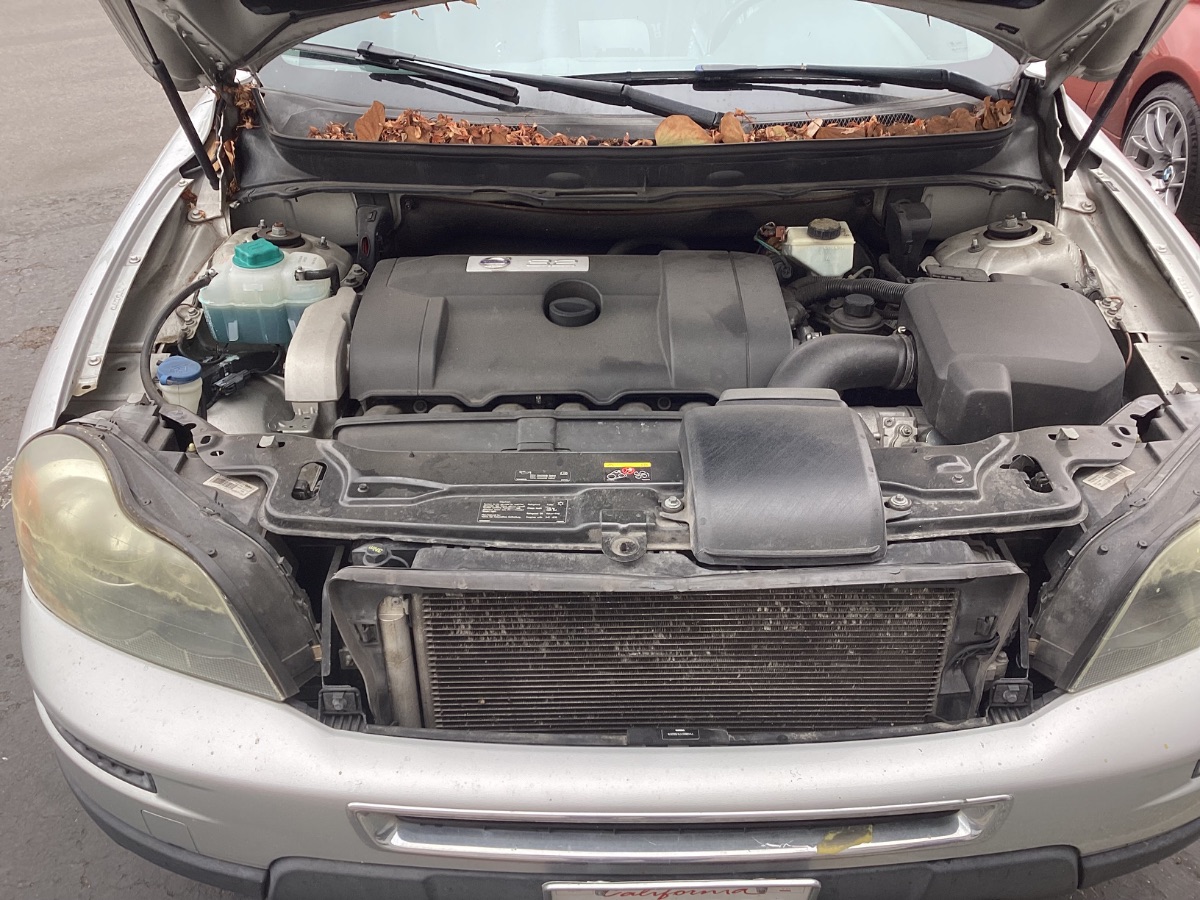
Bent or clogged radiator fins reduce airflow, leading to inefficient cooling. Dirt, debris, and road damage can obstruct fins, preventing proper heat dissipation. Without adequate airflow, the radiator struggles to keep the engine cool. Regular cleaning and inspection of the fins help maintain optimal radiator performance.
Don’t wait until your BMW overheats! If you suspect radiator issues or need a cooling system inspection, contact Oceanside Motorsports for expert BMW repair in Oceanside. Our team will ensure your BMW stays in peak condition, preventing costly repairs down the road.
Give us a call today or visit our website to schedule an appointment!
LIFETIME OIL CHANGE MEMBERSHIP INCLUDES UP TO 3 OIL CHANGES PER YEAR – FOREVER. BUY THE PACKAGE AND NEVER PAY FOR ANOTHER OIL CHANGE AGAIN!