
343 Airport Rd.
760-721-5500
Your BMW is designed for optimal performance, but regular maintenance is key to ensuring that it runs smoothly. One of the most critical components in your vehicle’s cooling system is the radiator. A clogged radiator can lead to severe engine overheating, which can result in costly repairs if not addressed promptly.
In this blog post, we’ll explore the signs of a clogged radiator, how it affects your BMW’s performance, and what steps you can take to prevent further damage. Here at Oceanside Motorsports, we can find out what’s wrong with your BMW with our diagnostic testing to ensure you’re only spending money on what needs to be fixed.
Your BMW’s radiator plays a crucial role in regulating the engine temperature. The radiator dissipates the heat generated by the engine, ensuring that it doesn’t overheat. Coolant flows through the radiator, where it absorbs the engine’s heat before being cooled by air passing through the radiator fins. The coolant is then recirculated back into the engine. However, when the radiator is clogged, this process is disrupted.
A clogged radiator restricts the flow of coolant, causing the engine to overheat. This can lead to a series of auto repair issues such as blown head gaskets, warped cylinder heads, and in extreme cases, complete engine failure. Knowing the warning signs of a clogged radiator can save you from these costly repairs.
There are several symptoms to look out for that may indicate your BMW’s radiator is clogged. Paying attention to these signs can help you catch the problem early.
One of the most common signs of a clogged radiator is engine overheating. If your BMW’s temperature gauge shows that the engine is running hot, particularly after short trips, this could be a clear indication that the radiator is clogged. The inability of the coolant to circulate freely means that the engine is unable to cool down efficiently.
A clogged radiator can create pressure buildup in your cooling system. When the coolant can’t flow through the radiator properly, it may find other ways to escape, often resulting in coolant leaks. If you notice coolant pooling under your vehicle, especially near the front, it’s time to check the radiator for blockages.
Coolant that has turned rusty or brown is a red flag that your radiator may be clogged. The color change indicates the presence of rust, debris, or contaminants in the system. A clogged radiator can prevent the coolant from doing its job efficiently, leading to these unwanted particles being trapped inside the cooling system.
Another sign of a clogged radiator is reduced heating in the cabin. If you’re trying to heat up your BMW and notice that the air coming out of the vents is not as warm as it should be, the radiator may be failing to circulate coolant properly. A blocked radiator reduces the flow of hot coolant through the heater core, resulting in less effective heating.
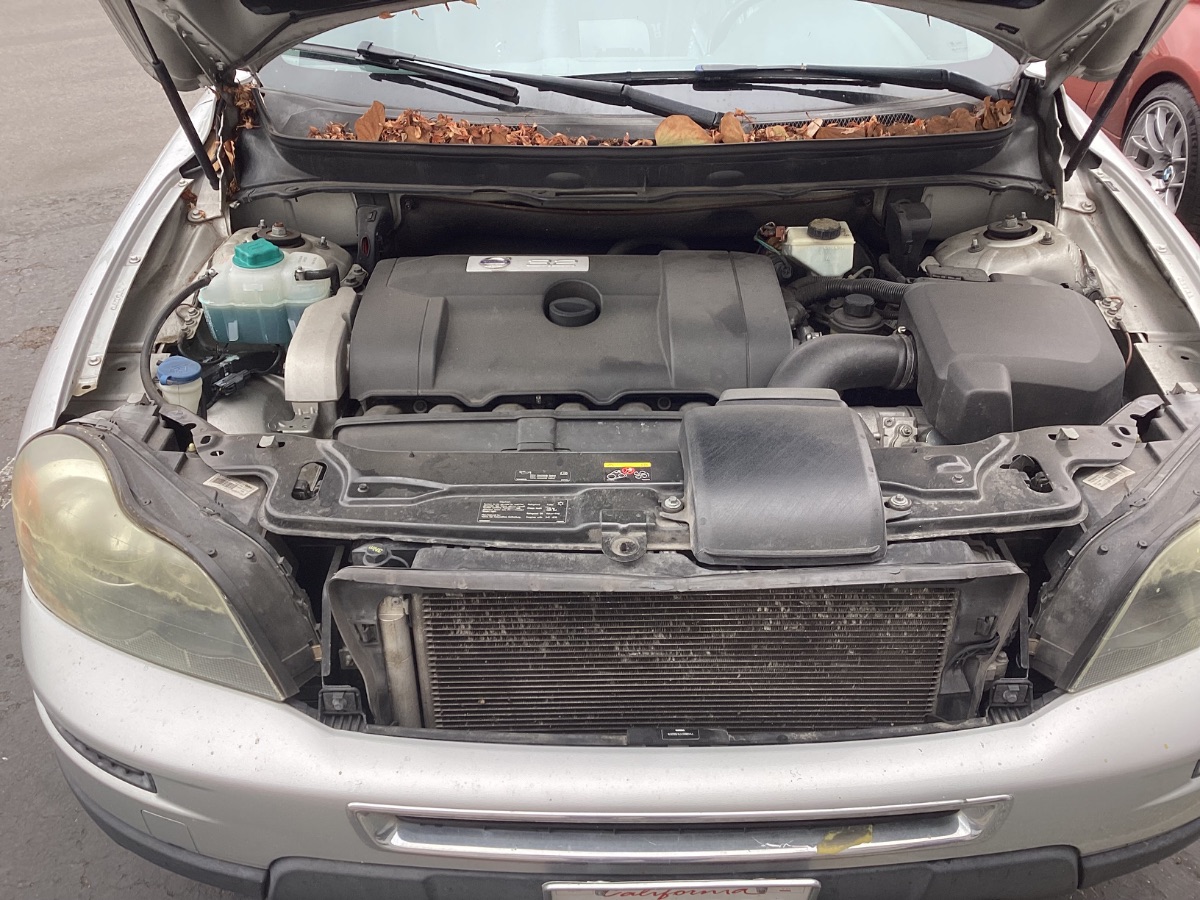
Inspecting the exterior of your radiator can also reveal whether it’s clogged. If you notice that the radiator fins are bent, damaged, or blocked by debris like leaves or bugs, this can reduce airflow and cause the radiator to become less efficient at cooling. This leads to overheating and engine performance issues.
Understanding what leads to a clogged radiator can help you avoid this common auto repair problem. Here are some of the primary causes.
Over time, sediment, rust, and debris can collect inside the radiator. This usually happens due to using contaminated or improper coolant, or neglecting to flush the cooling system regularly. As the buildup grows, it restricts coolant flow, reducing the radiator’s efficiency. Eventually, this can lead to engine overheating, causing potential damage.
Radiators are often made of aluminum, which is prone to corrosion if not properly maintained. Using the wrong coolant or failing to service the cooling system can accelerate corrosion. This results in blockages that obstruct the flow of coolant, reducing the radiator’s cooling capacity. If left unchecked, this can cause engine performance issues or overheating.
External debris, like leaves, bugs, and dirt, can accumulate in the radiator fins. When the fins get clogged, airflow is restricted, reducing the radiator’s ability to cool the engine. Regular cleaning can prevent debris buildup and maintain proper airflow. Neglecting this maintenance can lead to overheating and decreased engine efficiency.
Preventing a clogged radiator is often easier and more cost-effective than repairing it. Here are some preventive measures to keep your radiator in good condition.
Performing regular coolant flushes is crucial for keeping your BMW’s cooling system in top shape. This helps remove debris and contaminants that can accumulate over time and cause radiator clogs. By maintaining a clean system, you reduce the risk of overheating and other cooling-related problems. Always refer to your BMW’s owner manual to follow the recommended flush schedule.
Using the manufacturer-recommended coolant is essential for your BMW’s cooling system. The wrong coolant can cause corrosion and lead to harmful blockages in the radiator. Over time, these blockages can cause the engine to overheat and reduce its efficiency. Be sure to verify the coolant type before topping off or replacing it.
Regularly inspecting your radiator can help identify potential problems early. Look for visible signs of damage, debris buildup, or coolant leaks around the fins. Addressing these issues promptly can prevent more serious, costly repairs down the line. Maintaining this habit keeps your cooling system running smoothly and efficiently.
Old or damaged hoses can contribute to debris entering the cooling system, leading to potential clogs. Regular inspections of the hoses will help you identify any wear or damage. By replacing worn-out hoses in time, you reduce the risk of radiator blockages and engine overheating. Keep your system clean by making hose replacement a part of your routine maintenance.
For over 14 years, Oceanside Motorsports has provided Oceanside with the absolute BEST customer experience when your car needs work. We go above and beyond to make sure your experience is enjoyable and we ensure top tier repairs with an exceptional warranty. We service all makes and models with a specialty focus on European cars like BMW, Mini, VW, Audi, and Mercedes. Contact us today to schedule an appointment, we can’t wait to meet you!
LIFETIME OIL CHANGE MEMBERSHIP INCLUDES UP TO 3 OIL CHANGES PER YEAR – FOREVER. BUY THE PACKAGE AND NEVER PAY FOR ANOTHER OIL CHANGE AGAIN!