
343 Airport Rd.
760-721-5500
The Mercedes G-Wagon is known for its rugged performance and luxurious design. However, like any vehicle, it’s not immune to problems, one of the most concerning being engine overheating. If you’ve noticed your G-Wagon’s temperature gauge creeping into the red, it’s essential to understand the potential causes and take corrective action immediately.
Ignoring the issue could lead to severe engine damage and costly repairs. Here at Oceanside Motorsports, we can find out what’s wrong with your Mercedes G Wagon with our diagnostic testing to ensure you’re only spending money on what needs to be fixed.
One of the most common reasons for engine overheating is low coolant levels. Coolant, or antifreeze, circulates through the engine and absorbs heat, preventing it from overheating. If your G-Wagon’s coolant level is low, it won’t effectively cool the engine, leading to overheating. Regularly check the coolant reservoir and top it off as needed; frequent drops in level may indicate a leak that requires professional attention.
A coolant leak is a frequent issue that can cause engine overheating. Leaks can occur in the radiator, hoses, water pump, or even the engine itself, leading to insufficient coolant to absorb engine heat. Watch for signs of leaks like puddles under the car, a sweet smell, or steam from the engine bay. If you suspect a leak, have a certified Mercedes mechanic like Oceanside Motorsports inspect and repair it promptly.
The thermostat controls the flow of coolant through the engine, opening when the engine reaches optimal temperature. If the thermostat is stuck closed, coolant can’t circulate properly, causing the engine to overheat. This issue needs immediate replacement to prevent severe engine damage. Fortunately, replacing a faulty thermostat is a relatively inexpensive repair.
The radiator helps keep the engine cool by dissipating heat from the coolant. If it becomes clogged or damaged, it can’t effectively cool the coolant, leading to engine overheating. Regularly inspect the radiator for signs of blockages, corrosion, or damage. Address any issues by having the radiator cleaned, repaired, or replaced by a professional.
The water pump is crucial for circulating coolant throughout the engine and radiator. If the water pump is broken or failing, it won’t move coolant effectively, resulting in engine overheating. Signs of a failing water pump include a whining noise from the front of the engine or coolant leaks. Replacing a faulty water pump is vital to maintaining your engine’s cooling system.
The cooling fan assists in pulling air through the radiator, especially when the vehicle is idling or moving slowly. If the cooling fan isn’t functioning properly, the engine can overheat, particularly in traffic or during hot weather. Check the fan’s operation; if it fails to turn on, the fan motor, relay, or wiring might be faulty. Replacing defective components can restore the cooling system’s efficiency.
Dirt, debris, and rust can accumulate in the radiator over time, obstructing airflow and reducing its cooling ability. A clogged or dirty radiator can cause the engine to overheat, especially in older G-Wagon models. To prevent this, have the radiator professionally cleaned or flushed regularly. Keeping the radiator clean is essential for preventing overheating issues.
A blown head gasket can lead to engine overheating by allowing coolant to leak into the engine oil or combustion chambers. This not only reduces the coolant level but also compromises the cooling system’s effectiveness. Look for signs of head gasket failure, such as white smoke from the exhaust, milky oil, or coolant loss. This serious issue requires immediate repair by an experienced German mechanic like Oceanside Motorsports.
Engine oil helps keep the engine cool by reducing friction and heat in the engine’s moving parts. If your G-Wagon has low oil levels, increased friction and heat can cause the engine to overheat. Regularly check the engine oil level and ensure you use the correct oil grade as recommended by Mercedes-Benz. If your vehicle consumes oil excessively, have it checked for leaks or other issues.
Driving your G-Wagon under extreme conditions, like towing heavy loads or prolonged uphill driving, can overstrain the engine and cause overheating. Although the G-Wagon is built for rugged use, pushing it beyond its limits can still lead to problems. Avoid overloading your vehicle and be cautious of driving conditions that could stress the engine. For frequent heavy-duty use, consider installing an auxiliary transmission cooler to help manage engine temperature.
To prevent engine overheating and ensure your Mercedes G-Wagon continues to perform at its best, follow these preventive maintenance tips.
Schedule regular maintenance for your cooling system to prevent overheating issues. This includes coolant flushes, thermostat checks, and radiator inspections to ensure all components are functioning properly. Regular servicing helps identify potential problems before they become serious. A well-maintained cooling system is essential for your G-Wagon’s longevity and performance.
It’s crucial to regularly check the levels of coolant, oil, and transmission fluid in your vehicle. Keeping these fluids at the correct levels helps maintain optimal engine performance and prevents overheating. Topping off fluids as needed ensures your engine is properly lubricated and cooled. Monitoring fluid levels can also help detect potential leaks early on.
Always use OEM or high-quality aftermarket parts for any replacements in your vehicle’s cooling system. It’s important to use the correct type of coolant and oil as recommended by Mercedes-Benz to ensure optimal performance. Quality parts and fluids reduce the risk of breakdowns and extend the lifespan of your vehicle. Using subpar components can lead to more frequent repairs and higher costs in the long run.
Be mindful of your driving habits to prevent unnecessary strain on your engine. Avoid excessive idling, overloading, and driving in extreme conditions without proper cooling system upgrades. Smart driving practices help maintain the engine temperature within safe limits. Adopting these habits can improve your G-Wagon’s overall performance and prevent overheating.
Ensure your Mercedes G-Wagon remains in peak condition with expert preventive maintenance services at Oceanside Motorsports. Our certified German mechanics specialize in maintaining luxury vehicles, providing comprehensive services including oil changes, tire rotations, brake inspections, fluid checks, and more.
We use only high-quality parts and follow Mercedes’ guidelines to keep your G-Wagon running smoothly and efficiently. Visit Oceanside Motorsports for meticulous care that preserves the performance, safety, and value of your vehicle. Contact us today.
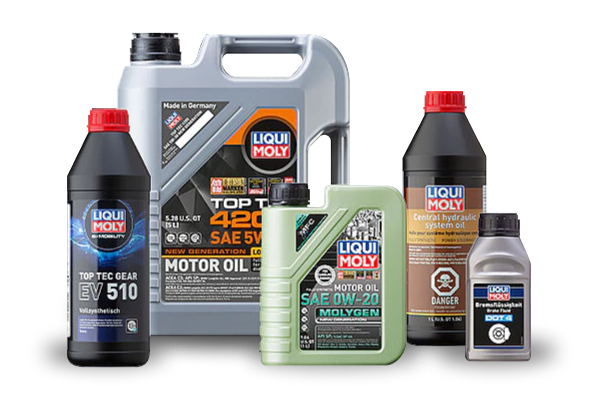
LIFETIME OIL CHANGE MEMBERSHIP INCLUDES UP TO 3 OIL CHANGES PER YEAR – FOREVER. BUY THE PACKAGE AND NEVER PAY FOR ANOTHER OIL CHANGE AGAIN!