
343 Airport Rd.
760-721-5500
If you own a BMW, you expect top-notch performance and reliability. However, even the best-engineered vehicles can experience issues. One common concern among BMW owners is losing coolant without any visible leaks.
This issue can be puzzling and potentially harmful to your engine if not addressed promptly. In this blog, we’ll explore the possible reasons behind this problem and provide you with the information you need to keep your BMW running smoothly. Here at Oceanside Motorsports, we can find out what’s wrong with your BMW with our diagnostic testing to ensure you’re only spending money on what needs to be fixed.
Coolant, also known as antifreeze, plays a crucial role in maintaining your BMW’s engine temperature. It prevents the engine from overheating in the summer and freezing in the winter. The coolant circulates through the engine, absorbing heat and dissipating it through the radiator. Without adequate coolant levels, your engine could overheat, leading to severe damage.
One reason your BMW may be losing coolant without visible leaks is evaporation. Over time, the coolant can evaporate, especially if the reservoir cap is not tightly sealed. This can lead to a gradual decrease in coolant levels. Although this process is slow, it can eventually cause your engine to overheat if not monitored.
Another reason for coolant loss could be internal engine issues. If coolant is leaking into the engine, it may not be visible externally. This could happen due to a blown head gasket, cracked engine block, or a damaged cylinder head. When coolant mixes with engine oil, it can lead to engine damage and reduced performance.
The head gasket is a critical component that seals the engine’s combustion chambers, allowing coolant and oil to circulate separately. If the head gasket fails, coolant can enter the combustion chamber and be burned off, leading to a loss of coolant without any visible leaks. This issue often presents itself with white smoke from the exhaust, rough engine performance, and overheating.
A cracked engine block or cylinder head can also cause coolant to leak internally. This issue is more severe and often occurs due to engine overheating or manufacturing defects. If your BMW’s engine block or cylinder head is cracked, you might notice a drop in coolant levels, loss of engine power, and unusual engine noises.
Some BMW models are equipped with an Exhaust Gas Recirculation (EGR) cooler, which cools the exhaust gasses before they re-enter the engine. A faulty EGR cooler can leak coolant into the exhaust system, leading to a gradual loss of coolant without visible leaks. If the EGR cooler is the culprit, you may also notice decreased engine performance and increased emissions.
In some cases, coolant can be consumed in the combustion chamber. This happens when the engine burns coolant along with fuel. If this is occurring in your BMW, you may notice white smoke coming from the exhaust, particularly during startup. This issue requires immediate attention as it can lead to more significant engine problems.
The radiator cap plays a crucial role in maintaining the correct pressure within the cooling system. If the cap is faulty or not sealing properly, it can allow coolant to escape as steam, leading to a loss of coolant over time. Inspect the radiator cap for any signs of wear and replace it if necessary.
The thermostat housing regulates the flow of coolant through the engine. If the housing is damaged or the gasket is worn, coolant can leak internally, leading to a drop in coolant levels. Although this type of leak is often minor, it can still cause significant issues if not addressed.
One of the simplest ways to monitor your coolant levels is by checking the coolant reservoir regularly. Ensure that the coolant level is between the “min” and “max” marks on the reservoir. If you notice a consistent drop in coolant levels, it’s essential to investigate further.
Even if there are no visible leaks, you can look for other signs of internal coolant loss. Check for white smoke from the exhaust, which may indicate that coolant is being burned in the combustion chamber. Also, inspect the engine oil; if it appears milky or frothy, it could be a sign of coolant mixing with the oil.
A pressure test can help identify any hidden leaks in the cooling system. By pressurizing the system, you can check for drops in pressure, which may indicate an internal leak. This test is usually performed by a professional German mechanic like Oceanside Motorsports, as it requires specialized equipment.
As mentioned earlier, a faulty radiator cap or thermostat housing can cause coolant loss. Inspect these components for any signs of wear or damage and replace them if necessary.
If you’re unable to identify the cause of coolant loss, it’s best to consult a professional mechanic like Oceanside Motorsports. We have the tools and expertise to diagnose and repair complex issues, ensuring your BMW is running optimally.
Regular maintenance is key to preventing coolant loss and other engine-related issues. Ensure that your BMW’s cooling system is inspected during routine maintenance checks. Replace the coolant as recommended by the manufacturer and check for any signs of wear in the cooling system components.
Using the correct coolant for your BMW is crucial. Different engines require specific types of coolant, and using the wrong one can lead to corrosion and other issues. Always refer to your BMW’s owner manual or consult with a mechanic to ensure you’re using the right coolant.
Keep an eye on your engine’s temperature gauge while driving. If you notice the temperature rising above normal levels, it could be a sign of coolant loss or other cooling system issues. Pull over immediately and inspect the coolant levels to prevent overheating.
For over 14 years, Oceanside Motorsports has provided Oceanside with the absolute BEST customer experience when your car needs work. We go above and beyond to make sure your experience is enjoyable and we ensure top tier repairs with an exceptional warranty. We service all makes and models with a specialty focus on European cars like BMW, Mini, VW, Audi, and Mercedes. Contact us today to schedule an appointment, we can’t wait to meet you!
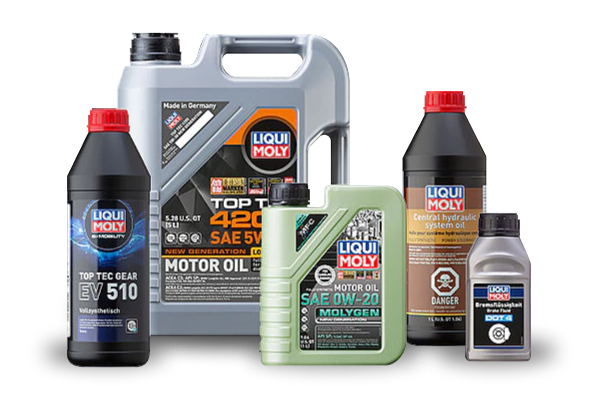
LIFETIME OIL CHANGE MEMBERSHIP INCLUDES UP TO 3 OIL CHANGES PER YEAR – FOREVER. BUY THE PACKAGE AND NEVER PAY FOR ANOTHER OIL CHANGE AGAIN!