
343 Airport Rd.
760-721-5500
If your BMW engine is misfiring, it can be a frustrating experience. You might notice a rough idle, lack of power, stuttering, or even an illuminated check engine light. But why is this happening? In this blog, we’ll explore the common causes of engine misfires in BMW vehicles, how to diagnose the problem, and what you can do to fix it.
This guide will help you understand the root of the issue and prevent costly repairs down the road. Here at Oceanside Motorsports, we can find out what’s wrong with your BMW with our diagnostic testing to ensure you’re only spending money on what needs to be fixed.
An engine misfire occurs when one or more cylinders fail to ignite the air-fuel mixture at the right time. Instead of the smooth, consistent performance that BMW engines are known for, misfires cause uneven power delivery and disrupt engine performance. Misfires are serious because they can lead to engine damage if left unresolved. Over time, misfires can damage components like the catalytic converter, spark plugs, and even the pistons, leading to expensive repairs.
Several factors can contribute to an engine misfire in a BMW, and identifying the cause is the first step in solving the issue. Here are some of the most common culprits.
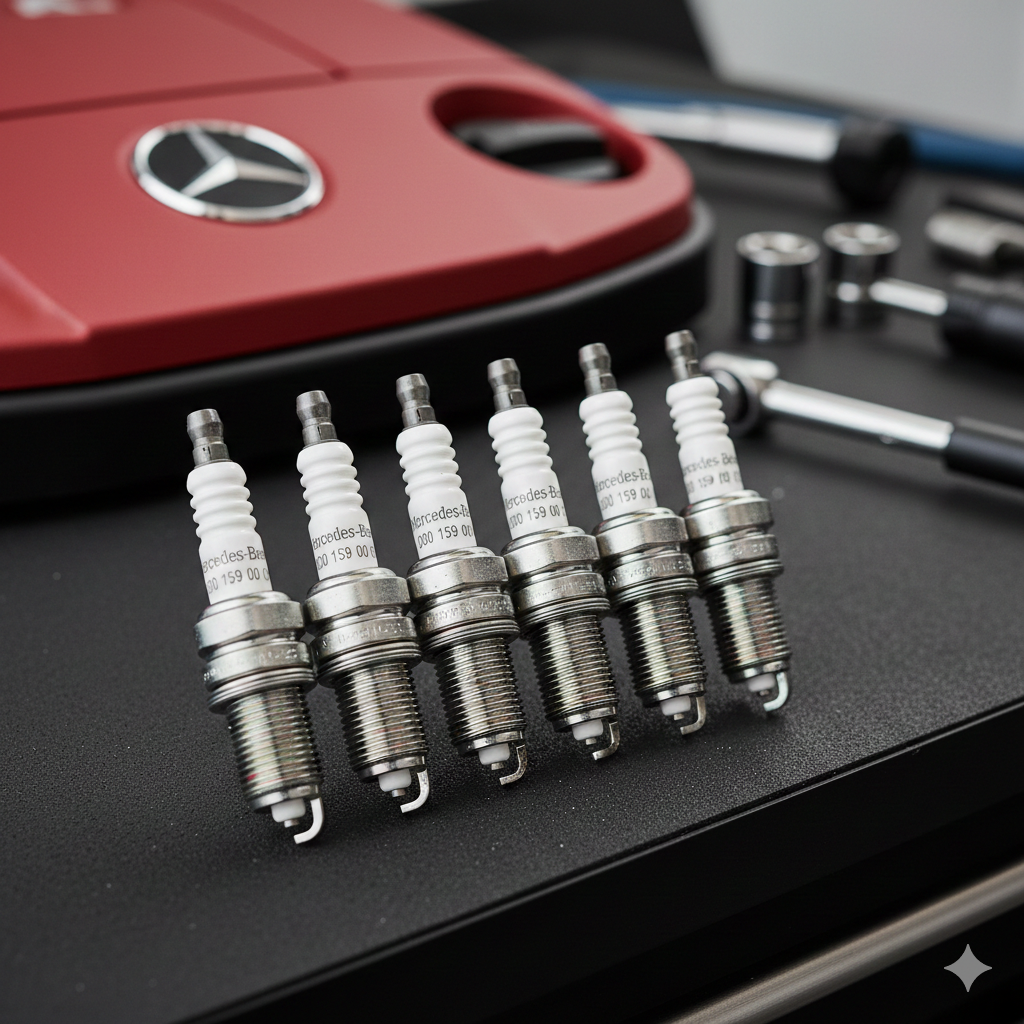
Spark plugs are crucial for igniting the air-fuel mixture in the engine’s cylinders. Over time, they can degrade due to wear, corrosion, or fouling from deposits, leading to inconsistent or weak sparks. This misfire can cause rough engine performance and reduced fuel efficiency.
Each cylinder in a BMW engine typically has its own ignition coil that delivers high voltage to the spark plug. If an ignition coil malfunctions or fails, it can result in a weak or absent spark, causing the engine to misfire or run unevenly. This problem often leads to noticeable power loss and increased emissions.
Fuel injectors are responsible for delivering a precise amount of fuel into the combustion chamber. When they become clogged or malfunction, they can disrupt the fuel spray pattern, leading to poor combustion and misfires. This can affect engine performance, fuel efficiency, and emissions.
A vacuum leak allows unmetered air to enter the engine, which disrupts the optimal air-fuel mixture. This can lead to a lean condition where there’s too much air and not enough fuel, causing rough idling and misfires. Symptoms of a vacuum leak often include fluctuating engine RPM and increased fuel consumption.
Various sensors in a BMW engine, such as the mass airflow sensor, oxygen sensors, and crankshaft or camshaft position sensors, provide critical data to the engine control module (ECM). If these sensors fail, they can send incorrect information to the ECM, disrupting fuel delivery and ignition timing, which can lead to misfires and poor engine performance. Diagnosing sensor issues often requires specific diagnostic tools.
Proper fuel pressure is essential for optimal engine performance. If the fuel pump is failing or the fuel filter is clogged, the engine might not receive the necessary fuel flow, leading to misfires and reduced power. Symptoms of low fuel pressure include hard starting, sputtering under acceleration, and decreased fuel efficiency.
The timing chain in a BMW engine ensures that the camshaft and crankshaft are synchronized, which is crucial for proper valve operation. If the timing chain becomes worn or stretched, it can cause the engine’s timing to become misaligned, leading to misfires, rough running, and potential engine damage. Regular maintenance is essential to ensure the timing chain remains in good condition.
Direct fuel injection engines, like those in many BMWs, can experience carbon buildup on the intake valves because the fuel doesn’t wash over the valves as in traditional port injection systems. This buildup can restrict airflow and disrupt the air-fuel mixture, leading to misfires and reduced engine efficiency. Regular cleaning or the use of specific additives can help manage carbon buildup.
Each cylinder in an engine needs adequate compression to ignite the air-fuel mixture properly. Low compression in one or more cylinders, due to issues like worn piston rings, a blown head gasket, or a warped cylinder head, can lead to misfires and reduced engine performance. Compression testing is often used to diagnose these issues.
Preventive maintenance is key to avoiding engine misfires. Here are some tips to keep your BMW running smoothly.
Spark plugs and ignition coils are crucial for proper engine ignition and performance. Over time, they wear out or degrade, which can lead to engine misfires and reduced efficiency. BMW’s maintenance schedule provides recommended intervals for replacement to ensure optimal engine function and prevent potential issues. Following these guidelines helps maintain engine performance and prolongs the life of the ignition system.
High-quality fuel and oil contain additives that help prevent carbon deposits and keep engine components clean. Using premium fuel and synthetic oil can reduce the likelihood of carbon buildup on intake valves and ensure that fuel injectors operate efficiently. This contributes to smoother engine operation, better fuel efficiency, and lower emissions. Regularly using these quality fluids can also extend the lifespan of your engine components.
Regular engine inspections allow you to identify and address minor issues before they escalate into major problems. During an inspection, certified German mechanics like Oceanside Motorsports check critical components like spark plugs, ignition coils, fuel injectors, and sensors. Catching issues early can prevent costly repairs and improve overall engine reliability. Routine inspections also help maintain optimal performance and ensure your vehicle remains safe to drive.
The check engine light indicates that the engine control module (ECM) has detected a problem, which could range from minor issues to significant malfunctions. Promptly diagnosing and addressing the codes can prevent small problems from escalating into more severe engine damage. Ignoring the check engine light can lead to decreased performance, increased emissions, and potential breakdowns. Using a diagnostic tool or consulting a mechanic ensures that issues are resolved quickly and efficiently.
For over 14 years, Oceanside Motorsports has provided Oceanside with the absolute BEST customer experience when your car needs work. We go above and beyond to make sure your experience is enjoyable and we ensure top tier repairs with an exceptional warranty. We service all makes and models with a specialty focus on European cars like BMW, Mini, VW, Audi, and Mercedes. Contact us today to schedule an appointment, we can’t wait to meet you!


LIFETIME OIL CHANGE MEMBERSHIP INCLUDES UP TO 3 OIL CHANGES PER YEAR – FOREVER. BUY THE PACKAGE AND NEVER PAY FOR ANOTHER OIL CHANGE AGAIN!