
343 Airport Rd.
760-721-5500
The timing chain is an integral component of your BMW’s engine, responsible for synchronizing the rotation of the crankshaft and camshaft. Ensuring that the valves open and close at the right times during each cylinder’s intake and exhaust strokes is crucial for optimal engine performance.
However, like any mechanical part, the timing chain can wear out over time. Recognizing the warning signs of a failing BMW timing chain can save you from costly repairs and potential engine damage. Here at Oceanside Motorsports, we can find out what’s wrong with your BMW with our diagnostic testing to ensure you’re only spending money on what needs to be fixed.
One of the most noticeable symptoms of a failing timing chain is a rattling noise coming from the engine. This noise often becomes more pronounced when the engine is idling. The rattling is usually caused by the timing chain becoming loose or worn out. If you hear such noises, it’s imperative to visit an auto repair shop for a thorough inspection.
A failing timing chain can lead to improper timing of the engine’s valves. This misalignment can cause engine misfires, which can manifest as a sudden loss of power, rough idling, or jerky acceleration. If your BMW engine is misfiring, it’s essential to seek professional German auto repair like Oceanside Motorsports immediately.
The check engine light can illuminate for various reasons, one of which is timing chain issues. Modern BMWs are equipped with sensors that monitor the performance of the engine. If the timing chain is stretched or worn, it can trigger the check engine light. It’s crucial to use an OBD-II scanner to diagnose the specific cause and determine if the timing chain is the culprit.
During an oil change, discovering metal shavings in the oil is a serious warning sign that should not be ignored. These metal particles can indicate that the timing chain is deteriorating, with parts of it breaking off and contaminating the engine oil. This can lead to significant engine damage if left unaddressed. Consistent oil changes and routine inspections are crucial for catching this symptom early, allowing for timely intervention before the wear progresses to a critical point.
In severe cases, a completely failed timing chain can result in catastrophic engine failure. When the timing chain snaps, the precise synchronization between the pistons and valves is lost, often causing them to collide violently. This collision can lead to extensive damage, including bent valves, damaged pistons, and even a destroyed engine block. Such an outcome is not only expensive to repair but can also render the engine irreparable.
Regularly scheduled inspections by a certified German auto repair like Oceanside Motorsports are essential for maintaining the health of your BMW’s timing chain. During these inspections, the technician can check for any early signs of timing chain wear, such as stretching or damage, and address them before they lead to more severe issues. Adhering to BMW’s recommended service intervals ensures that all engine components, including the timing chain, are thoroughly examined and maintained, thereby preventing unexpected breakdowns and costly repairs.
Using high-quality engine oil and changing it at the recommended intervals is vital for the longevity of your BMW’s timing chain. The engine oil lubricates the timing chain, reducing friction and wear. Over time, oil can degrade and become contaminated, losing its effectiveness. Always use the type of oil specified by BMW for your model to ensure optimal lubrication and protection of the timing chain and other engine components. Consistent oil changes keep the engine running smoothly and extend the life of the timing chain.
Being attentive to your engine’s sounds can help you catch timing chain issues early. Unusual noises such as rattling, knocking, or any other abnormal sounds can indicate problems with the timing chain or related components. If you notice these sounds, it’s crucial to have your vehicle inspected by a professional immediately. Early detection and repair can prevent more extensive damage to the engine and avoid costly repairs in the future.
While BMWs are engineered for high performance, frequently driving at high RPMs can place excessive stress on the timing chain. Consistently pushing the engine to its limits can accelerate the wear and tear of the timing chain and other engine parts. Moderating your driving habits, such as avoiding rapid acceleration and maintaining moderate speeds, can significantly extend the life of the timing chain.
The timing chain is designed to last the lifetime of the vehicle, but that doesn’t mean it will never need replacing. Factors such as driving habits, maintenance routines, and engine type can influence its longevity. Typically, BMW timing chains should be inspected regularly after 80,000 to 100,000 miles.
If you experience any of the symptoms mentioned above, it’s essential to have your timing chain inspected by a professional. Ignoring these warning signs can lead to more severe engine damage and higher repair costs.
For over 14 years, Oceanside Motorsports has provided Oceanside with the absolute BEST customer experience when your car needs work. We go above and beyond to make sure your experience is enjoyable and we ensure top tier repairs with an exceptional warranty. We service all makes and models with a specialty focus on European cars like BMW, Mini, VW, Audi, and Mercedes. Contact us today to schedule an appointment, we can’t wait to meet you!


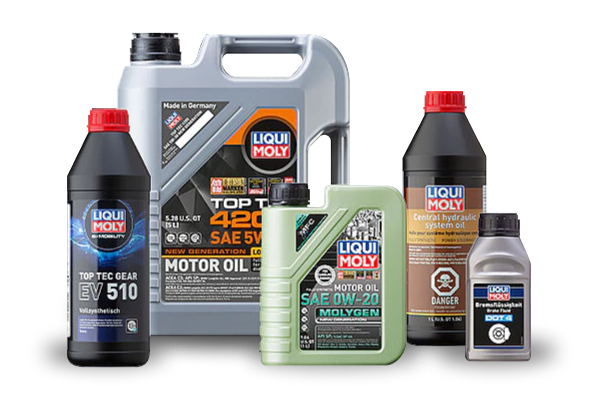
LIFETIME OIL CHANGE MEMBERSHIP INCLUDES UP TO 3 OIL CHANGES PER YEAR – FOREVER. BUY THE PACKAGE AND NEVER PAY FOR ANOTHER OIL CHANGE AGAIN!