
343 Airport Rd.
760-721-5500
Owning a BMW is a testament to a love for performance, luxury, and engineering excellence. However, even the finest machines can experience issues over time. One common problem that BMW owners may encounter is a vibrating steering wheel.
If you’re experiencing steering wheel vibrations and are unsure of the cause, it’s best to consult a professional German auto repair like Oceanside Motorsports. We can diagnose the issue accurately and recommend the appropriate repairs. Keep your BMW running smoothly by staying proactive with maintenance and addressing any issues as soon as they arise. Here at Oceanside Motorsports, we can find out what’s wrong with your BMW with our diagnostic testing to ensure you’re only spending money on what needs to be fixed.
Steering wheel vibration is not just an annoyance, it can also be a sign of underlying issues that, if left unaddressed, could lead to more serious and expensive problems. Here’s a detailed look at the possible causes of a vibrating steering wheel in a BMW.
One of the most common causes of steering wheel vibration is tire imbalance. When your tires are not evenly balanced, they can cause the steering wheel to shake, especially at higher speeds. This can happen due to normal wear and tear or after hitting a pothole or curb. To fix this, you need to have your tires balanced. This is a straightforward process that can be done at most auto repair shops. Regular tire maintenance, including balancing and rotation, can help prevent this issue.
Misaligned wheels can also cause your BMW’s steering wheel to vibrate. When the wheels are not properly aligned, it can lead to uneven tire wear, which in turn causes vibration. A professional wheel alignment service is required to correct this issue. It’s recommended to get your alignment checked regularly, especially after any significant impacts or if you notice uneven tire wear.
The suspension system in your BMW plays a crucial role in ensuring a smooth ride. Worn or damaged suspension components, such as bushings, ball joints, or struts, can lead to steering wheel vibrations. Inspecting and replacing worn suspension parts is essential. If you notice any unusual noises or handling issues, have your suspension checked by a professional mechanic.
If your steering wheel vibrates when you apply the brakes, the issue might lie within the brake system. Warped brake rotors are a common culprit. Over time, rotors can become uneven due to heat and wear, causing vibrations during braking. Brake rotors can either be resurfaced or replaced, depending on their condition. Regular brake maintenance and timely replacement of brake pads can help prevent rotor warping.
Faulty or worn-out wheel bearings can also cause steering wheel vibrations. Wheel bearings support the wheel and allow it to rotate smoothly. When they wear out, they can cause the wheel to wobble and vibrate. Wheel bearing replacement is necessary if they are worn or damaged. It’s advisable to have them checked and replaced by a professional German mechanic like Oceanside Motorsports to ensure safety and proper functioning.
Engine and transmission issues can sometimes manifest as steering wheel vibrations. Worn or damaged engine mounts can cause the engine to move excessively, leading to vibrations that can be felt in the steering wheel. Inspecting and replacing faulty engine mounts is essential. If you experience vibrations along with other symptoms like clunking noises or difficulty shifting gears, have your engine and transmission checked.
Problems within the power steering system, such as low power steering fluid or a failing power steering pump, can cause steering wheel vibrations, especially when turning the wheel. Checking and maintaining the power steering fluid level and ensuring the system is in good working order can help prevent these issues. If you suspect a problem, have a professional inspect the power steering system.
Regular tire maintenance is crucial for the longevity and performance of your BMW. Ensure to check tire pressure monthly and keep it at the manufacturer’s recommended levels to avoid uneven wear and improve fuel efficiency. Balancing and aligning your tires every 5,000 to 7,000 miles helps prevent vibration issues and extends the life of your tires. Rotating your tires at these intervals ensures even tread wear, which enhances handling and safety.
Consistent brake system checks are essential for your BMW’s safety. Regularly inspect brake pads for thickness and wear, and replace them if they are below the minimum thickness to avoid damaging the rotors. It’s also important to check the rotors for signs of warping or damage and resurface or replace them as necessary. Keeping an eye on brake fluid levels and replacing the fluid as recommended can prevent brake failure and maintain optimal braking performance.
The suspension system of your BMW significantly impacts ride quality and handling. During routine maintenance, have your suspension components, such as struts, shocks, and bushings, inspected for signs of wear or damage. Replacing worn suspension parts promptly can prevent further damage to your vehicle and maintain a smooth, controlled ride. Ignoring suspension issues can lead to poor handling, increased tire wear, and potential safety hazards.
Maintaining proper power steering fluid levels is key to ensuring smooth and responsive steering. Check the fluid level regularly and top up as needed, using the type recommended by BMW. Inspect the power steering system for leaks, which can cause a drop in fluid levels and lead to steering issues. Early detection and repair of leaks can prevent expensive repairs and maintain the integrity of the steering system.
Engine mounts are crucial for minimizing vibrations and maintaining engine stability. Have your engine mounts inspected during major service intervals to ensure they are in good condition. Worn or damaged engine mounts can cause excessive engine movement, leading to vibration and noise. Replacing faulty engine mounts promptly can prevent additional damage to the engine and improve overall driving comfort.
Regular professional inspections by a qualified German mechanic like Oceanside Motorsports are vital for maintaining your BMW’s performance and safety. If you notice any unusual vibrations, noises, or changes in vehicle behavior, schedule an inspection immediately. A professional can identify and address issues that may not be apparent during regular maintenance. These inspections ensure that your BMW remains in optimal condition and can help prevent costly repairs in the future.
For over 14 years, Oceanside Motorsports has provided Oceanside with the absolute BEST customer experience when your car needs work. We go above and beyond to make sure your experience is enjoyable and we ensure top tier repairs with an exceptional warranty. We service all makes and models with a specialty focus on European cars like BMW, Mini, VW, Audi, and Mercedes. Contact us today to schedule an appointment, we can’t wait to meet you!



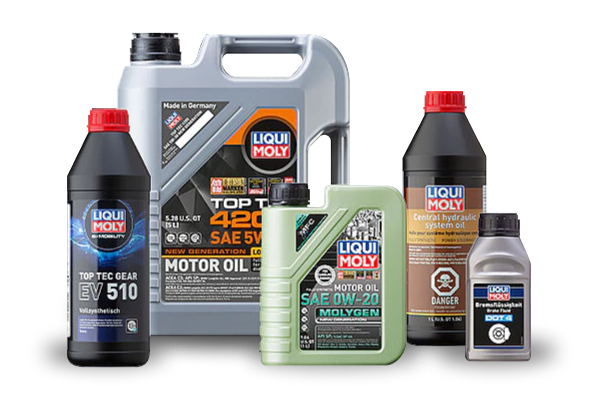
LIFETIME OIL CHANGE MEMBERSHIP INCLUDES UP TO 3 OIL CHANGES PER YEAR – FOREVER. BUY THE PACKAGE AND NEVER PAY FOR ANOTHER OIL CHANGE AGAIN!