

343 Airport Rd.
760-721-5500
Experiencing a shaking or vibrating car can be unsettling and frustrating, especially when driving a high-performance vehicle like an Audi. This issue can arise from various sources, ranging from simple maintenance needs to more complex mechanical problems. In this blog post, we’ll delve into the common causes of a shaking Audi, potential solutions, and preventive measures to ensure a smooth driving experience.
Regular maintenance and inspections are key to preventing these issues and enjoying a smooth ride. If you’re unsure about any aspect of the diagnosis or repair process, don’t hesitate to consult a professional German mechanic like Oceanside Motorsports. Your safety and driving comfort are worth the investment.
When tires are not properly balanced, the uneven weight distribution causes them to wobble as they rotate. This wobbling is especially noticeable at higher speeds, leading to a shaking sensation in the vehicle.
Wheel alignment refers to the angle and direction at which the tires are set. Misalignment can occur due to various reasons, such as hitting a pothole, curb, or regular wear and tear. When the wheels are misaligned, they pull against each other, causing the car to shake and handle poorly.
Tires with uneven wear or insufficient tread depth can lead to a rough and shaky ride. As tires wear out, they lose their ability to provide adequate traction and absorb road imperfections. Regularly inspecting and replacing tires when they become worn is crucial for maintaining vehicle stability and safety.
The suspension system, which includes shocks, struts, and bushings, plays a critical role in ensuring a smooth ride by absorbing road bumps and maintaining vehicle stability. Over time, these components can wear out, leading to decreased effectiveness in dampening road impacts. When suspension parts fail, vibrations and shaking become more pronounced, affecting the overall comfort and handling of the vehicle.
The steering system, which includes components like tie rods and the steering rack, is essential for precise vehicle control. Worn or damaged steering components can cause vibrations, particularly noticeable when turning or maneuvering the car. Regular maintenance and inspection of the steering system help ensure smooth and responsive handling.
Brake rotors can become warped due to excessive heat buildup from prolonged braking or sudden stops. When rotors warp, they create an uneven surface, causing the brakes to pulsate during application and the car to shake. Addressing warped rotors involves either resurfacing or replacing them to restore smooth braking performance.
Brake pads that wear unevenly or become excessively thin can lead to vibrations when braking. Uneven wear causes inconsistent contact with the brake rotors, resulting in shaking. Regularly checking and replacing brake pads as needed ensures even braking and prevents vibrations.
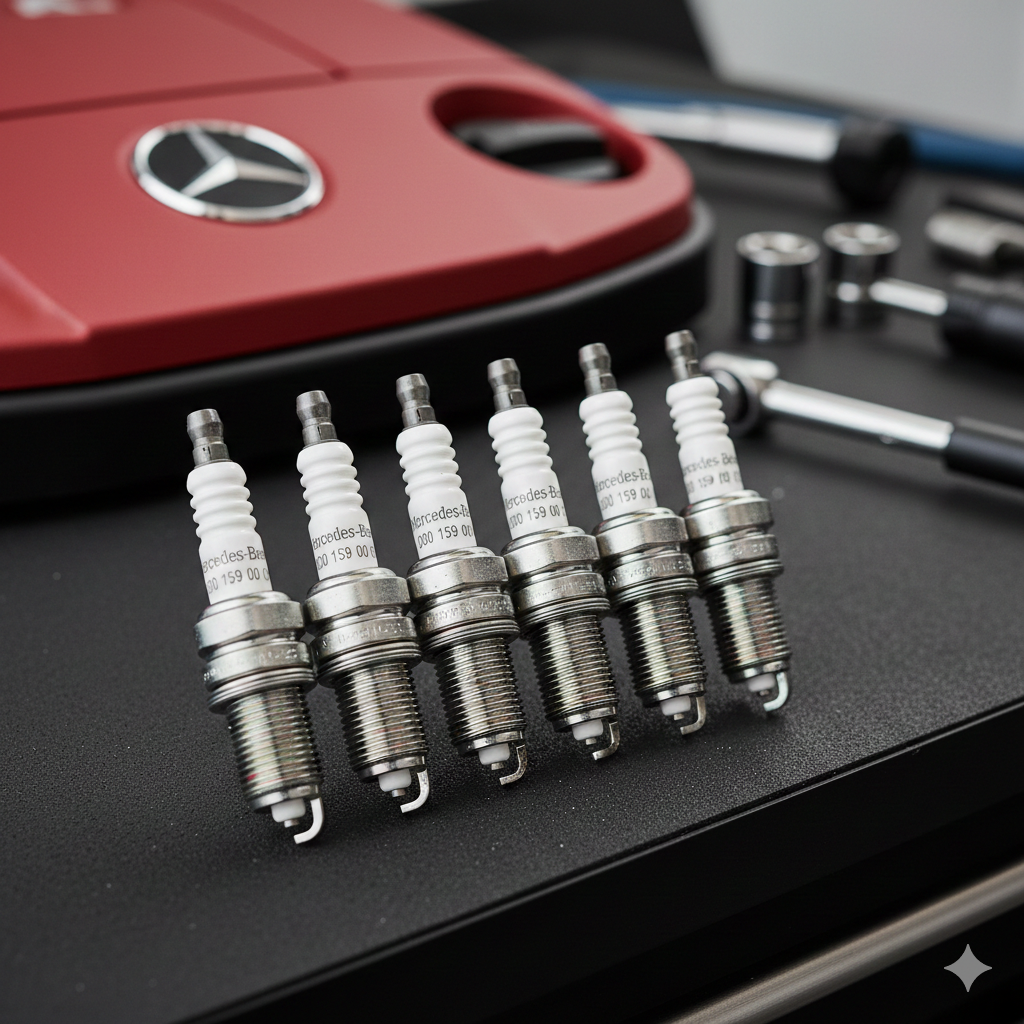
An engine misfire occurs when one or more of the cylinders fail to ignite the air-fuel mixture properly. This imbalance disrupts the engine’s smooth operation, leading to significant vibrations. Common causes of misfires include faulty spark plugs, ignition coils, or fuel injectors. Promptly diagnosing and fixing the underlying issue can restore engine balance and smoothness.
Transmission issues, such as worn mounts or internal component failures, can cause vibrations. Transmission mounts secure the transmission to the vehicle and absorb vibrations; when they wear out, they fail to dampen these vibrations effectively. Internal transmission problems can also lead to shaking. Regular maintenance and timely repairs of the transmission system are essential for smooth operation.
The driveshaft transfers power from the engine to the wheels in rear-wheel and all-wheel-drive vehicles. A worn or damaged driveshaft can cause imbalances, resulting in vibrations. Ensuring the driveshaft is properly balanced and free from damage is crucial for maintaining a smooth power transfer and ride quality.
Regularly balancing your tires and ensuring proper wheel alignment can significantly reduce vibrations and improve handling. It’s recommended to have your tires balanced and alignment checked during routine maintenance to prevent uneven tire wear and maintain a smooth ride.
Replacing tires that are worn out or damaged is crucial for vehicle safety and ride quality. Ensuring your tires are in good condition with adequate tread depth helps maintain traction and reduces the likelihood of vibrations caused by uneven wear or damage.
Replacing worn suspension parts such as shocks, struts, and bushings is essential for maintaining a smooth and stable ride. Regular inspections and maintenance of these components can prevent future issues and ensure that your vehicle handles road bumps and imperfections effectively.
Maintaining the steering system by replacing worn tie rods and addressing any issues with the steering rack is vital for precise vehicle control. Regular checks and timely repairs of the steering components help prevent vibrations and ensure responsive handling.
If the brake rotors are warped, they should be resurfaced or replaced by a professional to restore smooth braking performance. Addressing warped rotors promptly helps prevent vibrations during braking and ensures effective stopping power.
Replacing worn brake pads ensures even contact with the rotors, preventing vibrations and maintaining effective braking. Regularly checking and replacing brake pads as needed is crucial for safe and smooth braking performance.
Regular engine maintenance, including the replacement of spark plugs and ignition coils, can prevent misfires and the associated vibrations. An engine tune-up ensures that all cylinders are firing correctly, maintaining smooth engine operation.
Promptly addressing any transmission issues, such as worn mounts, and performing regular transmission fluid changes are essential for smooth vehicle operation. Proper transmission maintenance helps prevent vibrations and prolongs the life of the transmission.
If the driveshaft is causing vibrations, having it professionally balanced or replaced if necessary is crucial for smooth power transfer and ride quality. Ensuring the driveshaft is in good condition helps maintain vehicle stability.
Replacing damaged or bent axles is essential for restoring smooth driving and vehicle safety. Regular inspections and immediate repairs of axle damage prevent severe vibrations and ensure stable vehicle operation.
For over 14 years, Oceanside Motorsports has provided Oceanside with the absolute BEST customer experience when your car needs work. We go above and beyond to make sure your experience is enjoyable and we ensure top tier repairs with an exceptional warranty. We service all makes and models with a specialty focus on European cars like BMW, Mini, VW, Audi, and Mercedes. Contact us today to schedule an appointment, we can’t wait to meet you!



LIFETIME OIL CHANGE MEMBERSHIP INCLUDES UP TO 3 OIL CHANGES PER YEAR – FOREVER. BUY THE PACKAGE AND NEVER PAY FOR ANOTHER OIL CHANGE AGAIN!