
343 Airport Rd.
760-721-5500
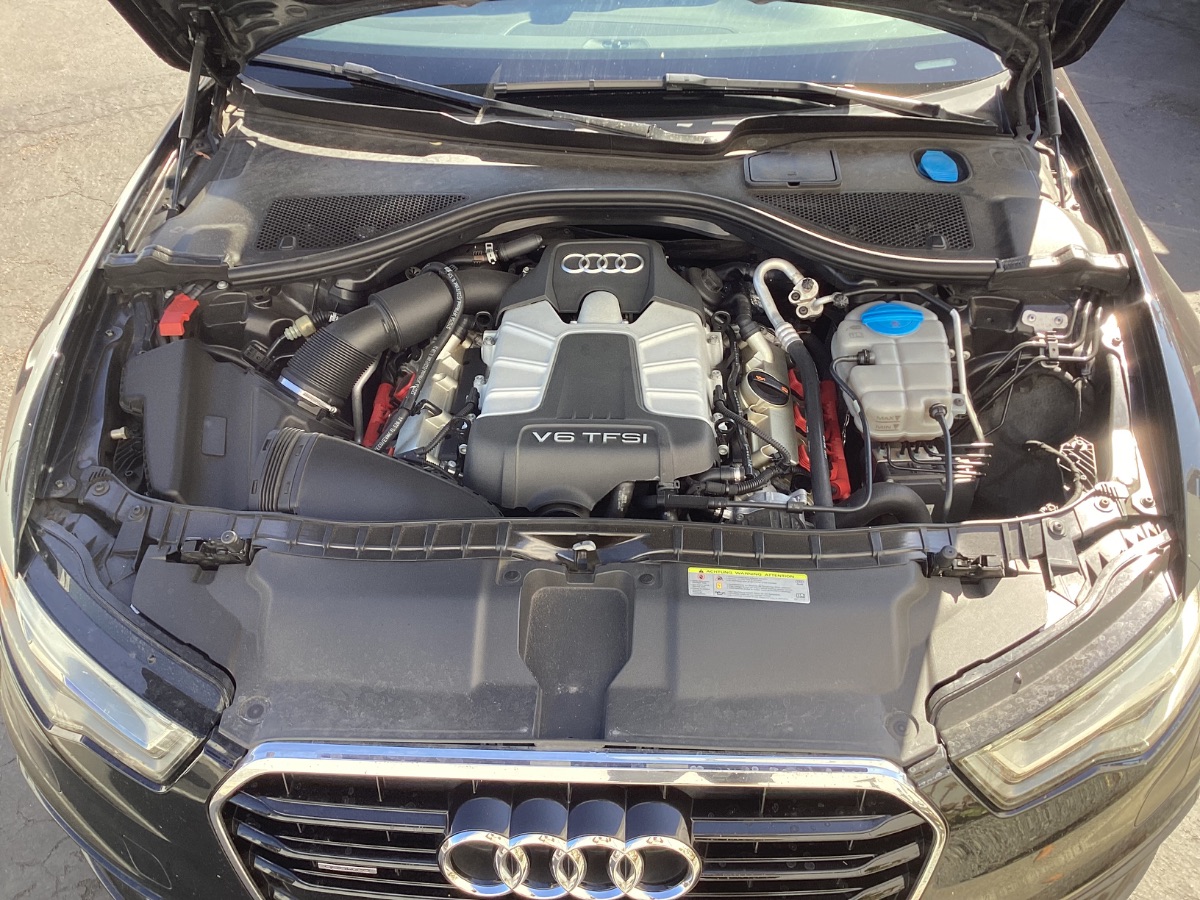
Valve cover oil leaks are a common issue in many vehicles, including Audi models. These leaks can lead to various problems, such as oil loss, engine bay contamination, and even potential engine damage if left unchecked.
Understanding the root causes of these leaks is crucial for maintaining your Audi’s performance and longevity. In this blog, we’ll explore the primary causes of valve cover oil leaks in Audi vehicles and provide some insights into prevention and repair. Here at Oceanside Motorsports, we can find out what’s wrong with your Audi with our diagnostic testing to ensure you’re only spending money on what needs to be fixed.
Valve cover oil leaks in Audi vehicles are a common issue that can lead to significant engine problems if not promptly addressed. The primary causes include worn or damaged gaskets, improper installation, and issues with the Positive Crankcase Ventilation (PCV) system, all of which can compromise the seal and allow oil to escape. Understanding these causes and implementing preventive measures can help Audi owners maintain their vehicles’ performance and avoid costly repairs.
The valve cover gasket is the most common culprit behind oil leaks. Over time, the gasket can become brittle, crack, or simply wear out due to the high temperatures and pressure it endures. This deterioration creates gaps where oil can seep through. Regular inspection and timely replacement of the gasket can prevent leaks and ensure a tight seal.
Even a new gasket can fail if not installed correctly. Improper torque on the valve cover bolts, misaligned gaskets, or using the wrong type of gasket can all lead to leaks. It’s essential to follow the manufacturer’s specifications for torque settings and installation procedures to ensure a proper fit.
The valve cover itself can become damaged over time. Cracks, warping, or dents in the valve cover can compromise the seal, leading to oil leaks. Physical damage can result from accidents, over-tightening bolts, or simply from aging and wear. Inspect the valve cover for any visible signs of damage during routine maintenance.
The PCV system is designed to manage the pressure and gases inside the engine. If the PCV valve or hoses become clogged or fail, it can cause excessive pressure buildup within the engine. This increased pressure can force oil past the valve cover gasket, leading to leaks. Regularly checking and maintaining the PCV system can help mitigate this issue.
As engines age and accumulate high mileage, components naturally wear down. This wear and tear can affect the valve cover and its gasket, making them more susceptible to leaks. High-mileage engines may require more frequent inspections and potentially earlier replacement of gaskets and other components to prevent leaks.
To minimize the risk of valve cover oil leaks in your Audi, consider the following preventive measures. By understanding the causes and taking proactive steps, you can keep your Audi running smoothly and prevent costly repairs associated with valve cover oil leaks. Regular maintenance and attention to detail are key to ensuring the longevity and reliability of your vehicle.
Performing regular inspections of the valve cover and its gasket during routine oil changes or maintenance services is crucial in identifying potential issues before they escalate. By checking these components frequently, you can catch early signs of wear and tear, such as small leaks or cracks, that might otherwise go unnoticed. This proactive approach allows for timely intervention, reducing the likelihood of significant oil leaks and the associated engine damage, thus maintaining your Audi’s performance and longevity.
Using high-quality gaskets and components that meet or exceed Original Equipment Manufacturer (OEM) specifications is essential in preventing valve cover oil leaks. OEM or superior parts are designed to fit precisely and endure the stresses of engine operation, ensuring a reliable seal. Inferior quality components might not fit correctly or degrade faster, leading to premature leaks. Investing in quality parts can save money in the long run by reducing the frequency of repairs and extending the overall lifespan of the valve cover gasket and related components.
Ensuring that all parts are installed correctly, following the manufacturer’s torque specifications and procedures, is vital for preventing oil leaks. Incorrect installation, such as improper tightening or misalignment of the valve cover gasket, can lead to gaps or pressure points that facilitate leaks. Adhering to the recommended torque settings ensures an even and secure fit, providing an effective seal that prevents oil from escaping. Professional installation or careful adherence to guidelines can significantly enhance the durability and functionality of the valve cover assembly.
Regularly inspecting and cleaning the Positive Crankcase Ventilation (PCV) valve and related components is important for maintaining proper engine function and preventing valve cover oil leaks. The PCV system helps manage engine pressure and remove gasses from the crankcase, and if it becomes clogged or malfunctions, excess pressure can build up. This pressure can cause the valve cover gasket to fail, resulting in oil leaks. Routine maintenance of the PCV system ensures it operates efficiently, reducing the risk of leaks and improving overall engine health.
Addressing any signs of an oil leak promptly, such as oil spots under your vehicle or a burning oil smell, is crucial to avoid further damage. Ignoring these symptoms can lead to more severe issues, such as significant engine oil loss, overheating, or even engine failure. Early detection and repair can prevent minor leaks from becoming major problems, ensuring your Audi remains in good working condition. Prompt action not only saves on costly repairs but also helps maintain the engine’s performance and reliability.
For over 14 years, Oceanside Motorsports has provided Oceanside with the absolute BEST customer experience when your car needs work. We go above and beyond to make sure your experience is enjoyable and we ensure top tier repairs with an exceptional warranty. We service all makes and models with a specialty focus on European cars like BMW, Mini, VW, Audi, and Mercedes. Contact us today to schedule an appointment, we can’t wait to meet you!

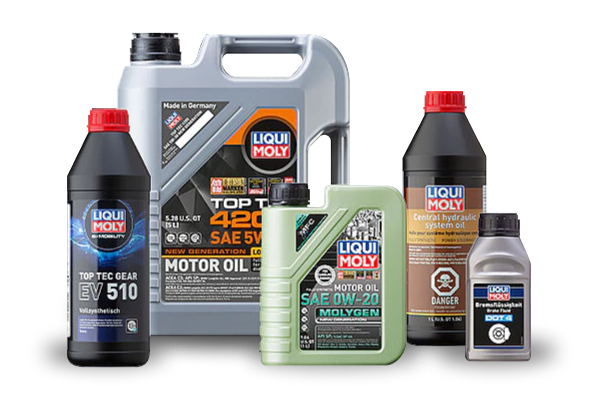
LIFETIME OIL CHANGE MEMBERSHIP INCLUDES UP TO 3 OIL CHANGES PER YEAR – FOREVER. BUY THE PACKAGE AND NEVER PAY FOR ANOTHER OIL CHANGE AGAIN!