
343 Airport Rd.
760-721-5500
Owning an Audi is a joy, known for its blend of luxury, performance, and cutting-edge technology. However, like any vehicle, Audis can experience mechanical issues over time. One common problem Audi owners might face is a leaking coolant hose.
Understanding the reasons behind this issue and knowing how to address it can help you maintain your vehicle’s performance and longevity. Here at Oceanside Motorsports, we can find out what’s wrong with your Audi with our diagnostic testing to ensure you’re only spending money on what needs to be fixed.
Over time, coolant hoses endure significant stress from the continuous exposure to high temperatures and pressures within the engine compartment. The combination of heat cycles and the chemical composition of coolant gradually breaks down the hose materials, causing them to deteriorate. This degradation can manifest in cracks, splits, or brittleness in the hoses, ultimately leading to leaks. These leaks not only result in coolant loss but can also compromise the effectiveness of the entire cooling system.
If coolant hoses are constructed from low-quality materials or have aged significantly, they become particularly vulnerable to damage and deterioration. Rubber hoses, in particular, can lose their elasticity and resilience over time due to exposure to heat, coolant chemicals, and environmental factors. This degradation compromises their ability to withstand the pressures and fluctuations within the cooling system, increasing the likelihood of developing cracks or becoming brittle.
Hose clamps play a crucial role in securing coolant hoses to different components of the cooling system. Over time, these clamps can loosen due to vibration, thermal cycling, or improper installation. Corrosion from exposure to coolant and environmental conditions can also weaken their grip on the hoses. When clamps become loose, corroded, or damaged, they fail to maintain a secure seal between the hose and its connection points. This can lead to leaks at these junctions, resulting in coolant loss and potential engine overheating.
Proper installation of coolant hoses is critical to prevent leaks and ensure the effectiveness of the cooling system. Incorrect installation can lead to misalignment or improper sealing, which compromises the integrity of the hose connections. Hoses that are not properly seated may not form a tight seal against the mating surfaces, allowing coolant to leak out. Similarly, if hose clamps are not tightened to the manufacturer’s specified torque, they may fail to securely hold the hoses in place, leading to potential leaks over time.
ECD is a chemical reaction that can occur in coolant hoses when electrical currents travel through the cooling system. This reaction can weaken the hose material from the inside, causing leaks.
External elements like debris, road salt, and harsh environmental conditions can inflict physical damage on coolant hoses over time. Debris kicked up from the road or from under the hood can impact the hoses, causing abrasions or punctures. Road salt and other corrosive substances can accelerate the degradation of hose materials, making them more susceptible to cracking or weakening. Additionally, exposure to extreme temperatures and weather conditions can further contribute to the deterioration of hose integrity. These external factors collectively pose a risk of developing leaks in the cooling system.
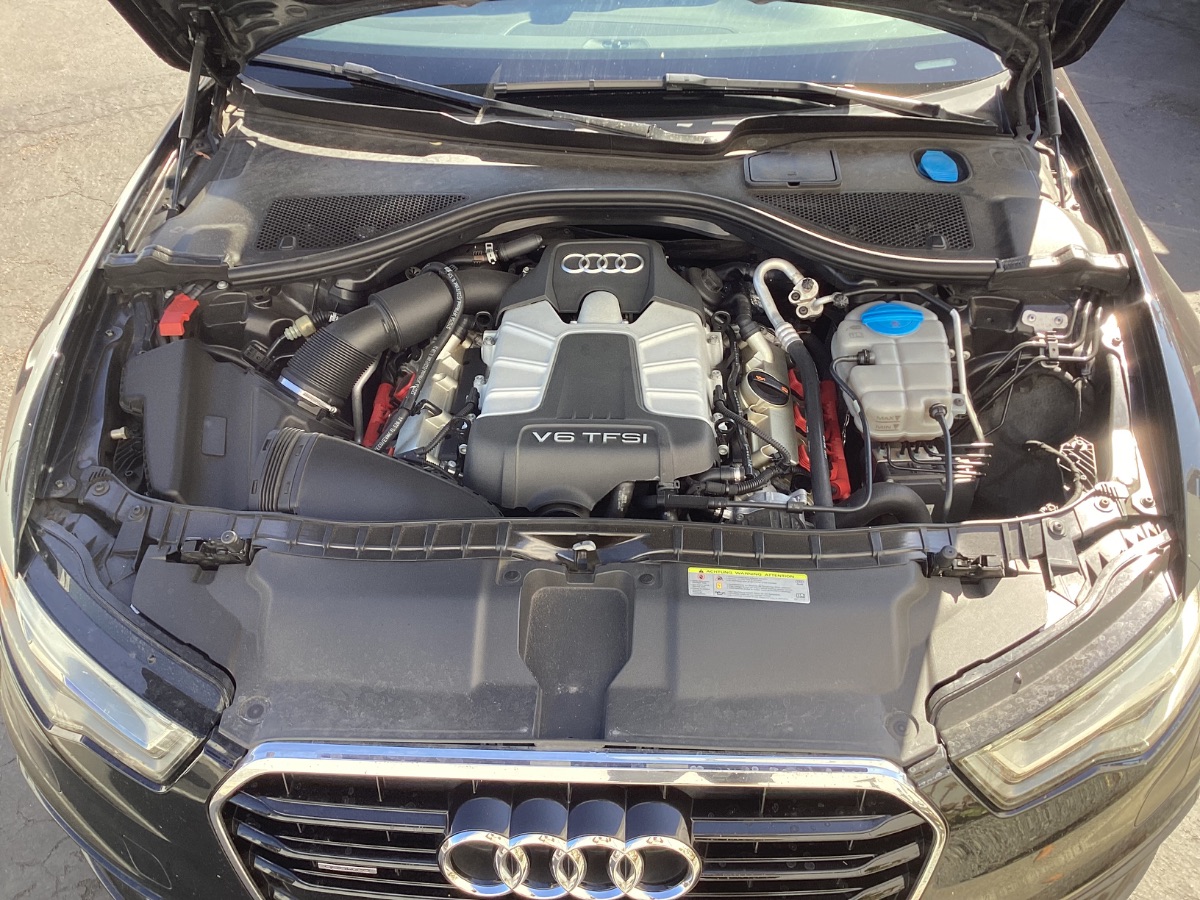
Start by visually inspecting all coolant hoses and their connections. Look closely at where the hoses connect to the radiator, engine, and other components. Check for any signs of wear such as bulges, cracks, or soft spots. Also, inspect the clamps that secure the hoses to ensure they are tight and in good condition.
If you notice that the clamps securing the hoses are loose, use a screwdriver or wrench to tighten them appropriately. Ensure they are snug but not overly tightened to avoid damaging the hose or clamp. If the clamps appear damaged, rusty, or corroded, it’s advisable to replace them with new ones.
Inspect each hose thoroughly for signs of damage such as cracks, splits, or leaks. Pay particular attention to areas where hoses bend or flex, as these are common points of weakness. If you find any hoses that are damaged or deteriorated, it’s essential to replace them promptly. Choose high-quality replacement hoses that are compatible with your Audi’s model and specifications.
If you’re uncertain about your ability to inspect or replace coolant hoses correctly, it’s wise to seek assistance from a professional German mechanic like Oceanside Motorsports. We have the expertise and tools necessary to perform a thorough inspection and ensure that all components are properly installed.
It’s crucial to inspect your coolant hoses and clamps regularly to catch any signs of wear, leaks, or deterioration early on. Over time, hoses can degrade due to heat and exposure to coolant chemicals, which can lead to leaks or even bursts under pressure. By inspecting them periodically, you can identify and replace any worn-out hoses or damaged clamps before they cause more serious issues such as engine overheating or coolant loss.
Choosing high-quality, Original Equipment Manufacturer (OEM) parts is essential for maintaining the integrity and performance of your Audi’s cooling system. OEM parts are designed specifically for your vehicle model, ensuring proper fitment and compatibility. They are also built to meet rigorous standards for durability and performance, providing longevity and reliability compared to aftermarket alternatives.
Keeping your coolant levels topped off with the correct type of coolant recommended by Audi is critical for the proper functioning of your vehicle’s cooling system. Coolant serves several important purposes, including regulating engine temperature, preventing corrosion within the cooling system, and lubricating its components. Low coolant levels can lead to overheating, which may cause engine damage if not addressed promptly.
Your Audi’s engine temperature gauge is a vital indicator of its cooling system’s health. It’s essential to monitor this gauge regularly while driving to detect any sudden fluctuations or persistent high temperatures, which could signal underlying cooling system problems. An overheating engine may indicate issues such as coolant leaks, a malfunctioning thermostat, a failing water pump, or inadequate coolant circulation.
For over 14 years, Oceanside Motorsports has provided Oceanside with the absolute BEST customer experience when your car needs work. We go above and beyond to make sure your experience is enjoyable and we ensure top tier repairs with an exceptional warranty. We service all makes and models with a specialty focus on European cars like BMW, Mini, VW, Audi, and Mercedes. Contact us today to schedule an appointment, we can’t wait to meet you!

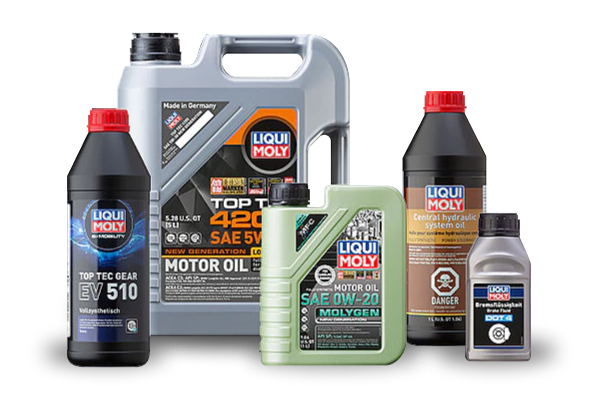
LIFETIME OIL CHANGE MEMBERSHIP INCLUDES UP TO 3 OIL CHANGES PER YEAR – FOREVER. BUY THE PACKAGE AND NEVER PAY FOR ANOTHER OIL CHANGE AGAIN!