
343 Airport Rd.
760-721-5500
Servicing your BMW transmission is crucial for maintaining its performance and longevity. Whether you drive a manual or automatic transmission BMW, regular maintenance helps prevent costly repairs and ensures smooth operation. In this blog, we’ll explore the key indicators and recommended intervals for servicing your BMW transmission, empowering you to keep your ultimate driving machine in peak condition.
Whether you’re experiencing rough shifting, unusual noises, or simply following the manufacturer’s guidelines, staying proactive with transmission service will ultimately enhance your driving experience and preserve your vehicle’s value. Let’s delve into the details of when and why your BMW transmission deserves expert attention.
Servicing intervals for BMW transmissions can vary depending on the model and year, but generally, it’s recommended to service the transmission every 50,000 to 100,000 miles. Some newer BMWs with “lifetime” fluids may suggest longer intervals, but it’s prudent to check your owner’s manual for specific guidance. Additionally, factors like driving habits can influence the need for more frequent servicing. Always follow the manufacturer’s recommendations for optimal performance and longevity of your BMW’s transmission.
Servicing intervals for BMW transmissions can vary depending on the model and year of the vehicle. However, signs that indicate your BMW transmission might need servicing include the following.
When a BMW transmission slips out of gear or struggles to maintain its position, it typically indicates underlying issues that need attention. Low transmission fluid levels can impair the hydraulic pressure needed for proper gear engagement, leading to slipping. Fluid contamination, such as dirt or debris in the transmission fluid, can cause friction or blockages, further affecting smooth gear shifts. Additionally, worn-out internal components like clutch plates or bands may no longer grip properly, resulting in the transmission slipping out of gear under load or during gear changes.
When you experience difficulty shifting gears smoothly in a BMW, it often indicates potential problems within the transmission system. Delays in engagement or rough and jerky shifting can be caused by degraded transmission fluid that no longer provides optimal lubrication and hydraulic pressure. Issues with solenoids, responsible for controlling fluid flow and gear engagement, can also lead to erratic shifting behaviors. Furthermore, worn-out clutch plates can slip or fail to engage properly, resulting in noticeable clunks or hesitations during gear changes.
When your BMW’s transmission emits whining, clunking, or grinding noises during gear shifts or while driving, it often indicates serious internal issues. Whining noises typically suggest worn-out bearings, which support the transmission’s moving parts and can lead to excessive friction and noise. Clunking sounds may indicate damaged gears or improperly engaging components, potentially caused by wear or misalignment. Grinding noises often point to insufficient lubrication or damaged gear teeth rubbing against each other.
Transmission fluid leaks in a BMW are critical indicators of potential issues that require immediate attention. The presence of a red fluid puddle beneath the vehicle suggests a leak from damaged seals, loose connections, or worn-out transmission pan gaskets. These leaks can lead to a decrease in fluid levels, compromising the transmission’s ability to function properly and causing potential overheating and internal damage. Addressing leaks promptly with repairs or replacement of faulty components is crucial to maintain the integrity and longevity of the transmission system.
Dashboard warning lights related to the transmission in your BMW should never be ignored, as they indicate potential serious issues. The transmission temperature warning light typically alerts you to overheating, which can occur due to low fluid levels, coolant problems, or excessive friction within the transmission components. A transmission-specific warning light may signal fluid pressure problems, which could stem from leaks, pump failures, or clogged filters.
A burning odor emanating from your BMW’s transmission is a serious indication of potential overheating or excessive friction. It often accompanies symptoms like slipping gears, rough shifting, or fluid leaks. Low transmission fluid levels can lead to insufficient lubrication, causing friction and heat buildup. Overheating components, such as worn-out clutch plates or bearings, can also generate excessive heat and emit a burning smell.
For over 14 years, Oceanside Motorsports has provided Oceanside with the absolute BEST customer experience when your car needs work. We go above and beyond to make sure your experience is enjoyable and we ensure top tier repairs with an exceptional warranty. We service all makes and models with a specialty focus on European cars like BMW, Mini, VW, Audi, and Mercedes. Contact us today to schedule an appointment, we can’t wait to meet you!


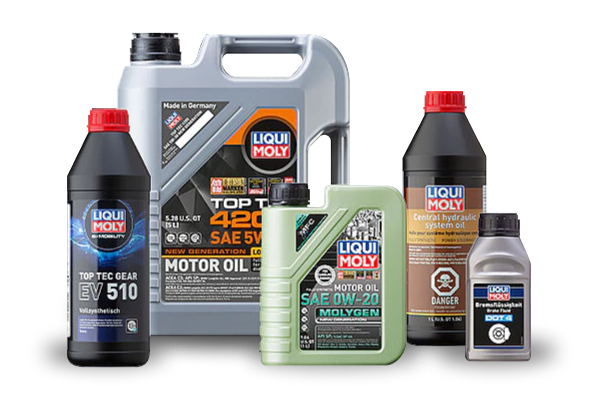
LIFETIME OIL CHANGE MEMBERSHIP INCLUDES UP TO 3 OIL CHANGES PER YEAR – FOREVER. BUY THE PACKAGE AND NEVER PAY FOR ANOTHER OIL CHANGE AGAIN!